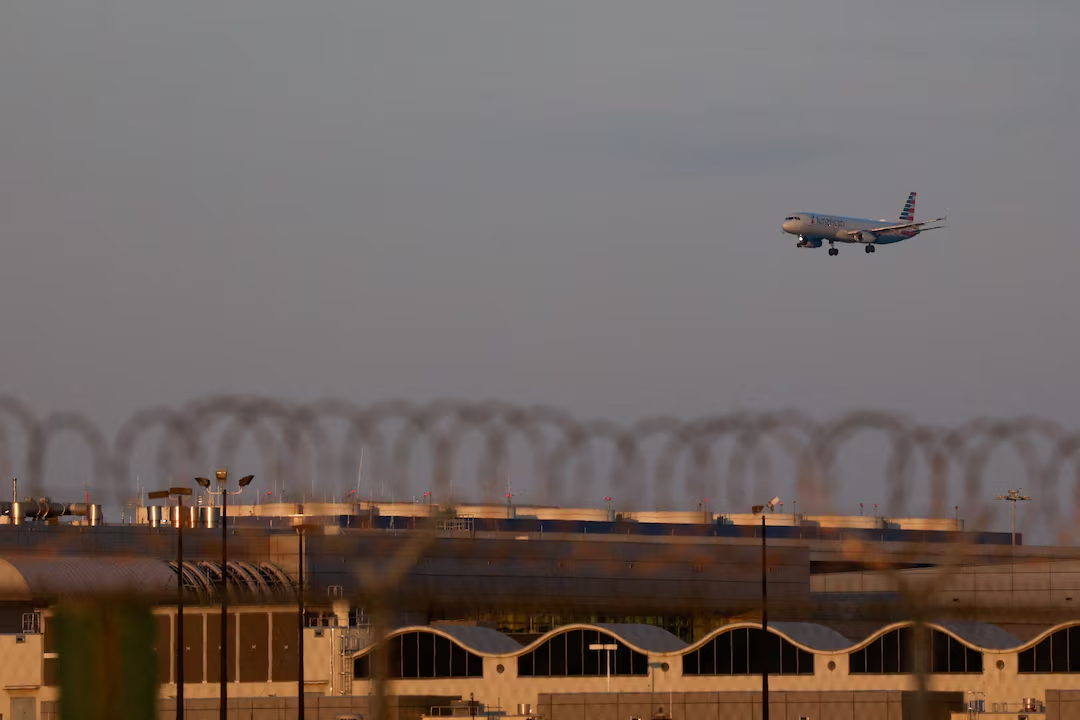
More than 2,500 US flights were cancelled on Saturday, 14 November, as airlines struggled to recover from a nationwide ground stop the previous day. The disruption followed problems in the air traffic control system, and officials say the interaction between new equipment and ageing infrastructure is the leading explanation. The precise technical cause is still being investigated.
According to the Associated Press, the Federal Aviation Administration lifted the ground stop at about 8.15 pm Eastern Time on Friday. Resuming departures did not immediately restore normal service. Aircraft and crews were out of position, leaving airlines to work through cancellations and delays on Saturday.
US officials said new technology being added to the control network appeared to overwhelm older equipment, producing intermittent communications and radar gaps. That is an initial account of the failure, not a completed root-cause finding. Transport Secretary Sean Duffy said the system had been restarted and warned that further disruptions could occur. The investigation will need to establish which components failed, how the overload propagated and why safeguards did not contain it sooner.
The interruption lasted more than four hours and was the longest nationwide ground stop in 25 years, AP reported. Officials said aircraft already in the air landed safely. The decision to halt departures was a precaution while controllers dealt with unreliable information, not a claim that every aircraft had lost contact or radar coverage.
There is an important distinction amid speculation about AI and cyberattacks. Officials said they had found no indication of a cyberattack. Duffy also said the failure was not connected to the FAA’s newer AI-powered system for predicting airspace problems. Neither assertion identifies the final cause of Friday’s breakdown, but both rule against presenting those theories as established facts.
The FAA has been replacing copper wiring and upgrading radio systems as part of a broader modernisation effort. The incident illustrates a difficult engineering problem. New components can improve capacity and reliability, but during a transition they must still exchange data with older switches, networks and operational procedures. A fault at that boundary can spread through a system that was not designed to be upgraded all at once.
That does not mean modernisation caused the outage in the simple sense that the upgrades should have been avoided. It means integration testing, isolation and fallback arrangements matter as much as buying new equipment. Officials have not yet published enough technical detail to judge whether any particular supplier or deployment decision was at fault.
For passengers, the practical effect continues after the ground stop has ended. Airlines may need days to reposition planes and crews. Travellers should check their carrier’s latest flight status and rebooking options rather than assuming an airport has returned to its normal schedule. For policymakers, the harder question is how to update critical infrastructure without allowing an old and new system to fail together. The FAA’s eventual incident report should answer that more clearly than the early explanations can.
Related Reading
More contextual TechBooky stories selected from tags, categories and article context.
Paul Femi Balo is the founder and publisher of TechBooky. He covers artificial intelligence, African technology, digital infrastructure, enterprise technology and the global digital economy.
We use cookies to ensure that we give you the best experience on our website. If you continue to use this site we will assume that you are happy with it.