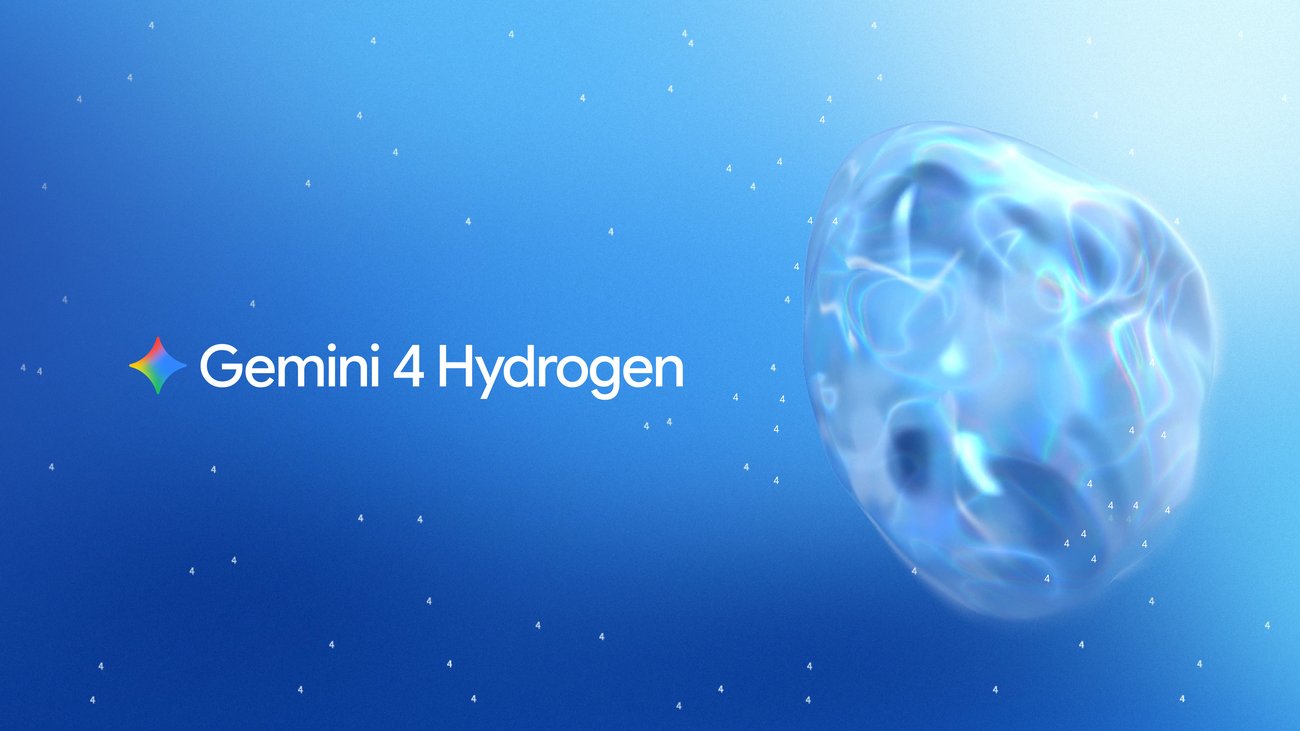
Google is rolling out Gemini 4 Hydrogen across Search worldwide, giving its most-used product a model upgrade designed to handle questions that do not fit neatly into a few keywords. In its 12 November announcement, the company says users can ask multi-part questions in natural language and receive more precise, visual responses.
The change is not simply a new chatbot attached to a search box. Google says Hydrogen can interpret a request, run simultaneous searches across its component topics and bring the findings together with links, images, tables and, where useful, custom tools. It is available globally in the languages supported by Google’s AI search features. The claim that it produces better answers is Google’s; real-world accuracy will depend on the query and the sources it finds.
A person comparing products, planning a journey or researching a technical problem may now be able to describe several constraints at once instead of making a string of narrower searches. Google says the system is better at following those constraints, including when a question contains a typo or an unusually specific requirement. Its expanded query fan-out is meant to surface relevant sites that a single conventional query might miss.
That could be useful, but it also raises a familiar question. When Search assembles a table or a direct answer, will the reader still visit the original website? Google stresses that the upgrade offers links to a wider set of sources. Publishers, however, need to judge the change by referral traffic, attribution and whether their work is represented accurately, not by the number of citations shown on a demo screen.
TechBooky has previously covered Google’s tests of controls for publishers in AI search. Hydrogen makes that debate more immediate. Better discovery could help specialised sites appear in answers to detailed questions, while more complete summaries could also satisfy some users before they click. Both outcomes are possible, and Google has not supplied publisher traffic figures for this rollout.
A bigger test for Google
Google calls Hydrogen its biggest model upgrade to Search yet. The distinction matters because Search remains the main route through which many people discover information, businesses and services. A model change at that scale affects the presentation of the open web, even for people who never open the standalone Gemini app.
The practical test over the coming weeks is whether Search can preserve the strengths that made it useful: a clear path to sources, a way to compare competing claims and enough transparency for users to recognise uncertainty. More polished answers are valuable only if they remain verifiable. For publishers and marketers, the sensible response is to monitor search referrals and query performance rather than assume a dramatic gain or collapse from the announcement alone.
Related Reading
More contextual TechBooky stories selected from tags, categories and article context.
Paul Femi Balo is the founder and publisher of TechBooky. He covers artificial intelligence, African technology, digital infrastructure, enterprise technology and the global digital economy.
We use cookies to ensure that we give you the best experience on our website. If you continue to use this site we will assume that you are happy with it.