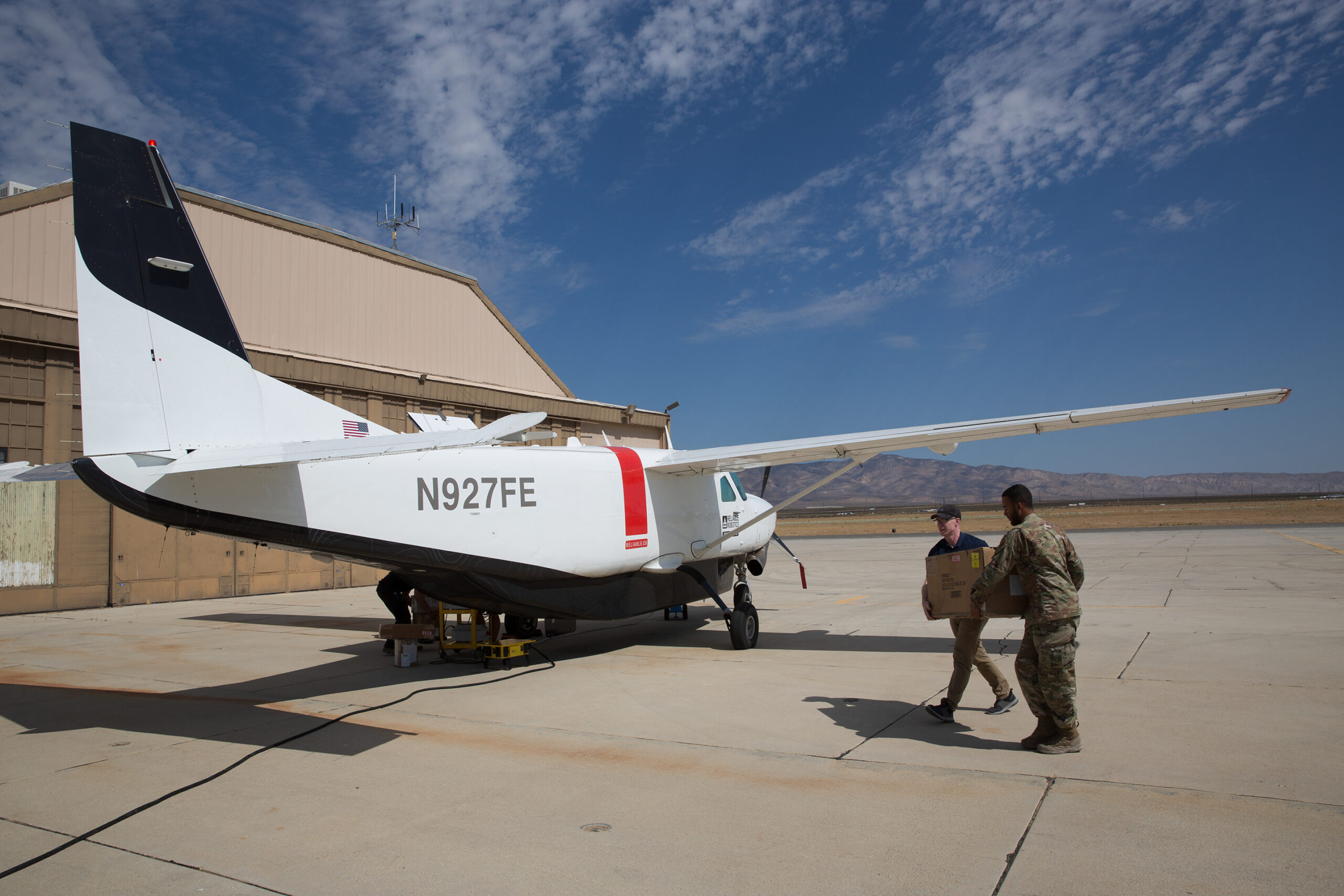
Reliable Robotics has secured $115 million in new capital as it works to bring automated flight technology through the US certification process. The funding puts the California aviation startup above a $1 billion valuation, but it does not mean pilotless cargo aircraft have been cleared to enter routine service.
In its October 20 announcement, Reliable said the money expands a previously announced $160 million Series D round to $275 million. The fresh capital comprises $90 million in equity and a $25 million term loan from Silicon Valley Bank, according to TechCrunch’s reporting. The company plans to add aircraft, expand production and hire engineers while it continues certification work.
Reliable is developing the Reliable Autonomy System for the Cessna 208B Grand Caravan, a common cargo aircraft. Its goal is to automate phases of flight and eventually enable operations supervised remotely. The immediate regulatory hurdle is approval from the Federal Aviation Administration for the technology and its operation on the aircraft. A funding round cannot substitute for that review.
The company has conducted flight testing and has a place in an FAA pilot programme that allows operations before full certification. Such programmes help developers gather evidence under defined conditions. They should not be described as a general licence to fly cargo without a pilot. The distinction matters because aviation certification covers hardware, software, procedures and the way failures are handled, not merely a successful demonstration.
Chief executive Robert Rose told TechCrunch that an initial approval for continuous autopilot engagement might take 18 to 24 months. That is the company’s expectation, not a regulatory deadline. In the nearer term, a pilot would remain in the cockpit. Remote operation without an onboard pilot is further away, and Rose placed it at least three years out.
Starting with a familiar cargo workhorse gives Reliable a practical route to market. Freight routes are repetitive, and the Grand Caravan already serves airports and communities that do not have the scale to justify larger aircraft. Reliable can test whether automation reduces workload and improves operational consistency before asking regulators to accept a more radical operating model.
The business case is still contingent on safety and economics. Aircraft operators need more than a novel system. They need predictable maintenance, clear responsibility for a remotely supervised flight, robust communication links and procedures for weather, diversions and equipment failures. Insurers, customers and the public will look for the same evidence as regulators.
TechBooky has previously explored Airbus’s automated flight testing. Reliable’s approach is different, but the underlying lesson is familiar: a successful test is one milestone on a much longer path to certified, repeatable operations.
The new financing extends Reliable’s runway and gives it resources to make that case. Investors have priced in a substantial opportunity, but the next decisive headline will be a specific FAA approval and the operating limits attached to it. Until then, the company is building toward autonomous aviation rather than announcing its arrival.
Related Reading
More contextual TechBooky stories selected from tags, categories and article context.
Paul Femi Balo is the founder and publisher of TechBooky. He covers artificial intelligence, African technology, digital infrastructure, enterprise technology and the global digital economy.
We use cookies to ensure that we give you the best experience on our website. If you continue to use this site we will assume that you are happy with it.