If you tried an AI video generator in 2024, you probably remember the same three frustrations: the person in the clip changed face between shots, the video was silent, and you could never get the same character back for a second scene. Two years later all three problems are being solved at once, and the solutions have reshaped what the tools are for. Here is what has actually changed in the technology, without the marketing gloss.
1. Identity now survives the cut
The single biggest technical leap is character consistency. Early diffusion-based video models treated every generation as a fresh sample; there was no mechanism to say “this is the same person as before.” Newer architectures accept reference images — one face, several angles, or a set of “character sheets” — and condition the whole generation on them. ByteDance’s Seedance family, documented on the BytePlus ModelArk platform, is a good example: reference images are a first-class input, and the model keeps the same person across shots, across scenes and even across a two-person conversation.
This is what turns a toy into a tool. A consistent character means you can write a story, generate it scene by scene and end up with something that reads as a single film rather than a montage of strangers.
2. Sound is generated in the same pass
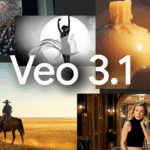
Until recently “AI video” meant silent video, with audio bolted on afterwards by a separate model. The 2026 generation of models — Seedance 2.5, Wan 3.0 and Google’s Veo line among them — produce ambient sound, sound effects and even lip-synced dialogue natively. You write the line of dialogue in the prompt, tag the language, and the character says it, with room tone and footsteps in the background.
The practical effect is that a ten-second clip is now a finished asset, not a draft that needs an editor. For short-form social content, that removes the last manual step.
3. Real faces, with a consent layer
This is the change that has the largest social implication. Because models can now hold a face reliably, the obvious next step is to put real people in the video — yourself, your friends, your colleagues. The obvious risk is equally clear: the same capability is the definition of a deepfake.
The responsible platforms have answered with verification. On actoria.ai, for instance, a person’s face can only be used after they pass a live selfie check on their own phone; if you want a friend in the scene, you send them an invitation and they verify themselves. Unverified photos are simply refused by the generator. It is a small piece of product design with an outsized effect: it makes “AI video of me and my friends” a legitimate category rather than a gray one, and it gives businesses something they can actually publish.
4. Image-to-video replaced text-to-video as the default workflow
Text-to-video is a slot machine: you describe a scene, the model interprets it, and you take what you get. Image-to-video is a storyboard: you generate or upload the first frame, approve it, and only then spend on motion. Because still images are far cheaper to generate than video, this two-step flow has become the default for anyone producing at volume. Modern first-frame models (Seedream, Nano Banana and others) accept the same reference faces as the video model, so the still you approve is already cast with the right people.
5. Longer takes and true continuations
Clip length crept up from four seconds to eight, then ten, and in 2026 several models produce single continuous takes of fifteen to thirty seconds with dialogue and a mid-shot pause — the kind of thing that used to require stitching. Just as important, “continue from the last frame” has become a real feature: the model carries motion, lighting and the character forward into the next scene, so a two-minute story is a chain of consistent segments rather than a set of restarts.
6. Pricing collapsed, and then got confusing
The cost of a ten-second clip has fallen by an order of magnitude in two years. The confusing part is that the same model is sold at very different prices depending on where you buy it: the vendor’s own consumer app is usually cheapest, developer APIs resold through aggregators are the most expensive, and subscription platforms sit between one and two dollars per clip with sound. Whatever you pick, the sensible budgeting unit is now “per clip,” not “per month.”
What still doesn’t work
Honesty is due here. Complex multi-step actions in a single shot still fail more often than they succeed. Hands, text on screen and fast crowds remain unreliable. And prompting is a genuine skill: camera language (“slow push-in, 35mm, low-key lighting”) works; adjectives (“cinematic, epic”) do not.
But the direction is unmistakable. The 2024 question was whether AI could make a plausible video. The 2026 question is who is in it, whether they agreed, and what it costs — and all three now have good answers.
Related Reading
More contextual TechBooky stories selected from tags, categories and article context.
Paul Balo is the founder of TechBooky and a highly skilled wireless communications professional with a strong background in cloud computing, offering extensive experience in designing, implementing, and managing wireless communication systems.
We use cookies to ensure that we give you the best experience on our website. If you continue to use this site we will assume that you are happy with it.