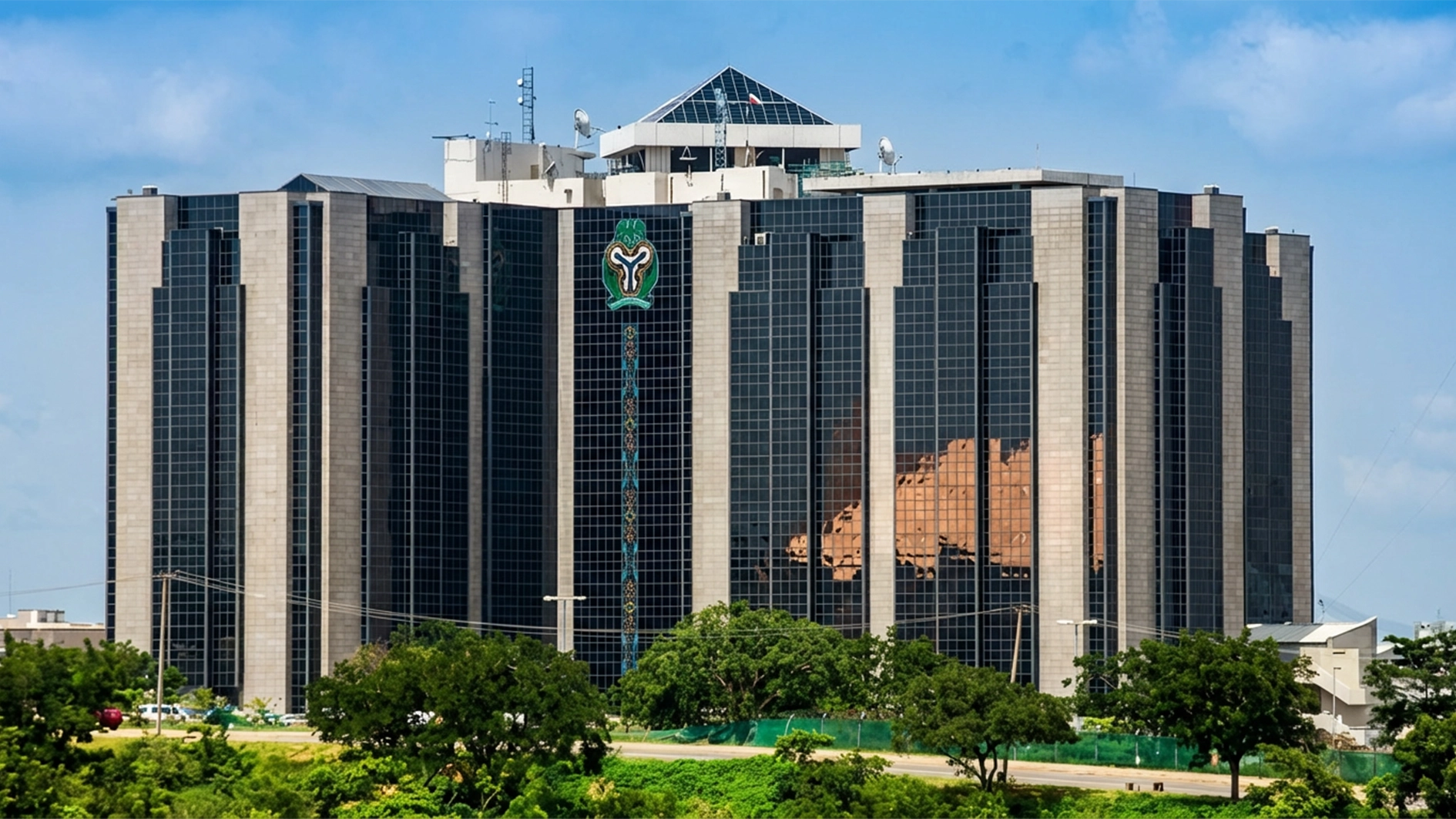
The Central Bank of Nigeria has opened applications for the second cohort of its Regulatory Sandbox Programme, giving virtual asset and fintech firms a supervised route to test products with the regulator watching closely.
The CBN homepage now lists the Regulatory Sandbox Programme Cohort 2, while TechAfrica News and Nigerian outlets say applications open on August 12 and close on August 31, 2026. The new cohort is structured around two tracks: a Virtual Asset Service Provider track and a Data-Enabled Financial Services track.
The VASP track is the headline. It covers stablecoins, payment and settlement services, custody, wallets and related digital financial infrastructure that require supervised live testing. That is a meaningful development in a country where crypto, stablecoins and virtual-asset activity have often moved faster than regulation.
The second track focuses on data-enabled financial services. That includes innovations built around secure digital infrastructure and permission-based data sharing to improve financial inclusion, payments, credit, risk management, operational efficiency and consumer outcomes. In plain English, the CBN wants to test new financial technology without letting the whole market become the testing ground.
This is a more mature posture than simply warning banks away from crypto or reacting after problems emerge. A sandbox allows the regulator to see how products work, what risks they create and whether consumer-protection rules need to evolve. It also gives legitimate firms a clearer path to engage the central bank rather than operate in uncertainty.
Nigeria needs that clarity. The country has one of Africa’s most active fintech markets, a young digital population and persistent demand for cross-border payments, dollar access, merchant tools, wallets and alternative credit. At the same time, regulators worry about fraud, money laundering, consumer harm, market integrity and pressure on the naira.
Stablecoins sit directly inside that tension. They are useful for payments and cross-border settlement, but they also raise questions about currency substitution, reserve quality, financial surveillance and systemic risk. A sandbox does not solve those issues, but it can make them easier to study before products scale widely.
The move also fits Nigeria’s broader digital-policy direction. We have written about the country’s push for local cloud and data sovereignty, and about how African startup funding is rebounding in areas like fintech, healthtech and EVs. Regulation now has to keep pace with the products African users are already adopting.
For founders, the opportunity is clear but not automatic. A sandbox is not a licence to ignore risk. Firms will need strong compliance, identity checks, data protection, operational controls and credible consumer safeguards. The companies that treat regulation as part of product design may be better placed than those waiting for loopholes.
For the CBN, the challenge is speed. A sandbox only works if approvals, feedback and evaluation happen quickly enough to be useful. If it becomes another slow bureaucratic queue, serious innovators may lose interest. But if it works, Cohort 2 could become an important bridge between Nigeria’s energetic fintech market and the regulatory certainty investors and users want.
Related Reading
More contextual TechBooky stories selected from tags, categories and article context.
Paul Balo is the founder of TechBooky and a highly skilled wireless communications professional with a strong background in cloud computing, offering extensive experience in designing, implementing, and managing wireless communication systems.
We use cookies to ensure that we give you the best experience on our website. If you continue to use this site we will assume that you are happy with it.