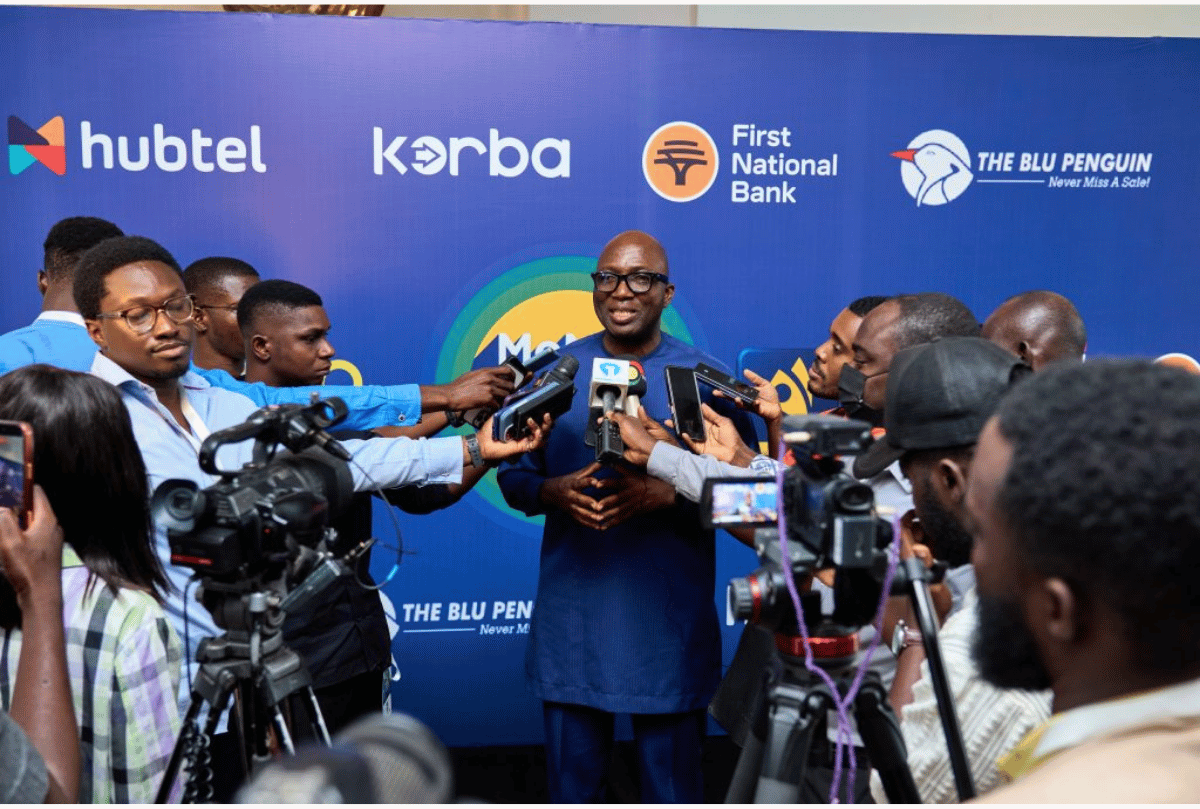
Ghana’s fintech ecosystem is getting a fresh builder-focused push, and Hubtel is putting its payments and product experience behind it.
Hubtel has partnered with Mobile Money Fintech Limited to support the 2026 MoMo Fintech Lab, with Hubtel serving as the programme’s Official Technology Partner. The programme is designed to help emerging Ghanaian fintech innovators develop ideas, receive mentorship and move closer to practical products.
The three-month initiative will include hackathons, mentorship and incubation support before a national Demo Day. It will run across Accra, Kumasi and Tamale, which is important because Ghana’s fintech opportunity cannot be treated as an Accra-only story. If the ecosystem is going to deepen, talent from other regions must have a route into investors, technical support and commercial partnerships.
Hubtel’s role is useful because the company has lived through the journey many young fintech teams are trying to begin. It started from messaging and payments infrastructure and grew into one of Ghana’s better-known digital payments and commerce players. That kind of operating experience can be more valuable to founders than a motivational talk.
The more interesting point is the missing middle in African fintech. The continent does not lack ideas. It often lacks the patient pathway from idea to tested product, from tested product to regulated service, and from service to scale. Programmes like MoMo Fintech Lab try to create that pathway by surrounding early builders with technology, mentors and market access.
Ghana already has a strong mobile money and payments base, and that gives fintech builders a real foundation. But the next generation of useful products will need to go beyond basic transfers. There is room for merchant tools, credit scoring, savings products, remittance services, SME finance, embedded insurance and better payment experiences for small businesses.
That is why this partnership matters. Hubtel brings product and payments experience, while MoMo Fintech Lab offers a structured national programme. Together, they can help founders think not only about coding an app, but about reliability, compliance, user trust, customer support and whether a product solves a real financial problem.
For Ghana, the challenge will be what happens after Demo Day. Too many innovation programmes end with pitch decks and photos. The real test is whether participants leave with pilots, partnerships, regulatory clarity, capital introductions or paying customers. If Hubtel and MoMo Fintech Lab can help founders cross that gap, the programme becomes more than an event.
This is the kind of Africa tech story that may not look as loud as a billion-dollar AI raise, but it is just as important. Digital economies are built through many smaller pieces of infrastructure, talent and trust. Ghana’s next fintech winners may not come only from big funding rounds. They may come from programmes that give serious builders the support to turn useful ideas into companies.
Related Reading
More contextual TechBooky stories selected from tags, categories and article context.
Paul Balo is the founder of TechBooky and a highly skilled wireless communications professional with a strong background in cloud computing, offering extensive experience in designing, implementing, and managing wireless communication systems.
We use cookies to ensure that we give you the best experience on our website. If you continue to use this site we will assume that you are happy with it.