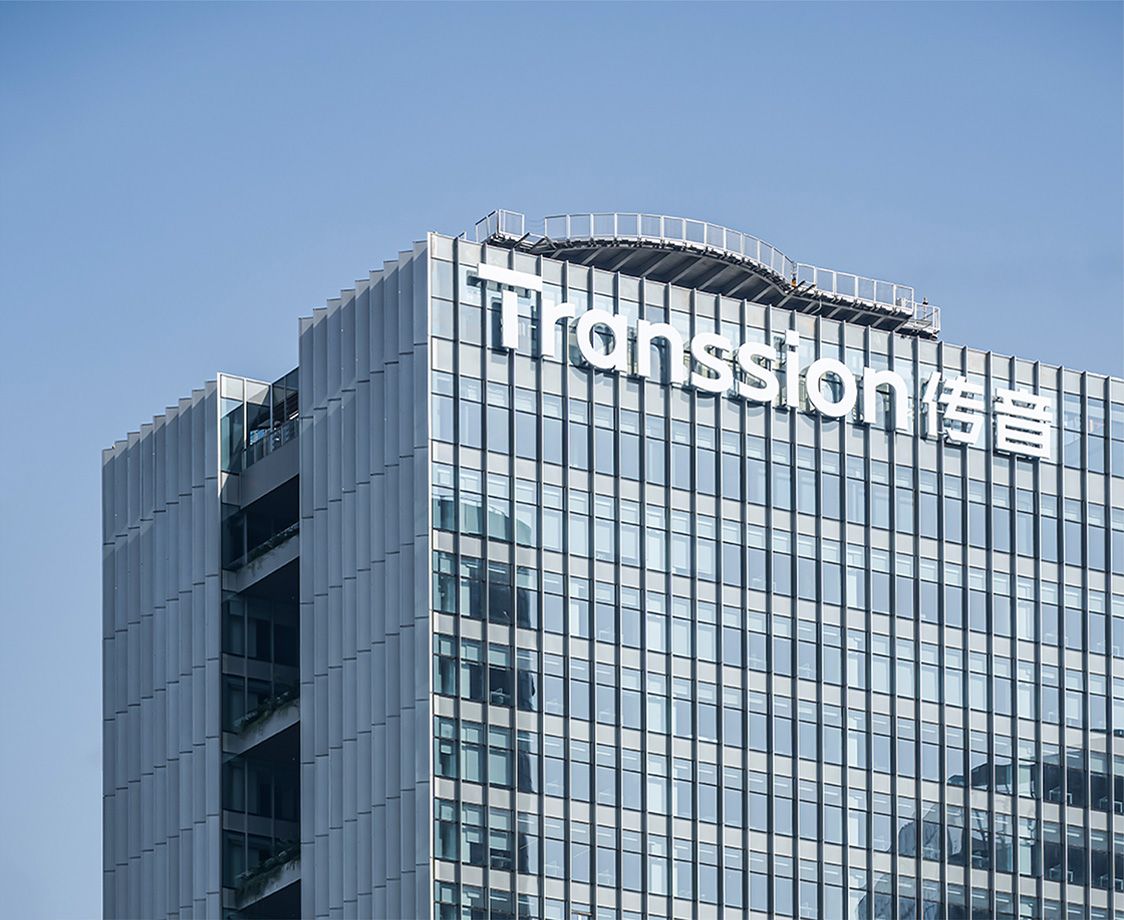
The company behind Tecno, Infinix and itel has opened a Hong Kong share sale that could raise as much as $428 million. Shenzhen Transsion Holdings, already listed in Shanghai, is offering 86.6 million shares at a maximum price of HK$38.80 each, according to the exchange-filing details reported Wednesday. The public offer is expected to close on October 12, with trading slated to begin on October 15. Those dates and the final amount remain subject to the offering process.
The transaction is more than another Chinese company tapping Hong Kong investors. Transsion built its business around markets that bigger global phone brands sometimes treated as an afterthought, particularly Africa. Its devices have become familiar across Nigeria and the continent because the company sells across several price points and understands the importance of distribution and after-sales reach. People who know the Tecno Camon range in Nigeria may not realise it sits in the same corporate family as Infinix and itel.
According to company figures cited in reporting ahead of the offer, its brands sold more than 91 million handsets last year and represented about 53 percent of Africa’s mobile phone market by units. That is a measure of its scale, not a claim that it has a majority of smartphone revenue. Transsion’s strength has often been in affordable devices, where the economics are different from premium phones sold by Apple and Samsung.
The fresh listing gives investors another route into that business, but it comes at a less comfortable moment for the company. Its 2025 revenue fell 4.5 percent to 65.5 billion yuan, while profit dropped 53 percent to 2.6 billion yuan, according to the filing cited by Dow Jones. That makes the growth story less straightforward than market share alone might suggest. Investors will want to know whether Transsion can protect margins as rivals press harder in its core markets and as the cost of components changes.
There is a wider question for African consumers and distributors too. A stronger balance sheet could support new products, retail channels and software services, but a Hong Kong listing does not automatically mean cheaper phones or more local investment. Those outcomes depend on how management spends the proceeds and how competitive its phones remain in the markets that made it a giant.
For now, the firm has a notable advantage: a distribution footprint and brand recognition that took years to build. The offer will test whether public investors value that African position enough to overlook the recent profit decline. The final offer price and listing outcome should make the market’s answer clearer next week.
Related Reading
More contextual TechBooky stories selected from tags, categories and article context.
Paul Balo is the founder of TechBooky and a highly skilled wireless communications professional with a strong background in cloud computing, offering extensive experience in designing, implementing, and managing wireless communication systems.
We use cookies to ensure that we give you the best experience on our website. If you continue to use this site we will assume that you are happy with it.