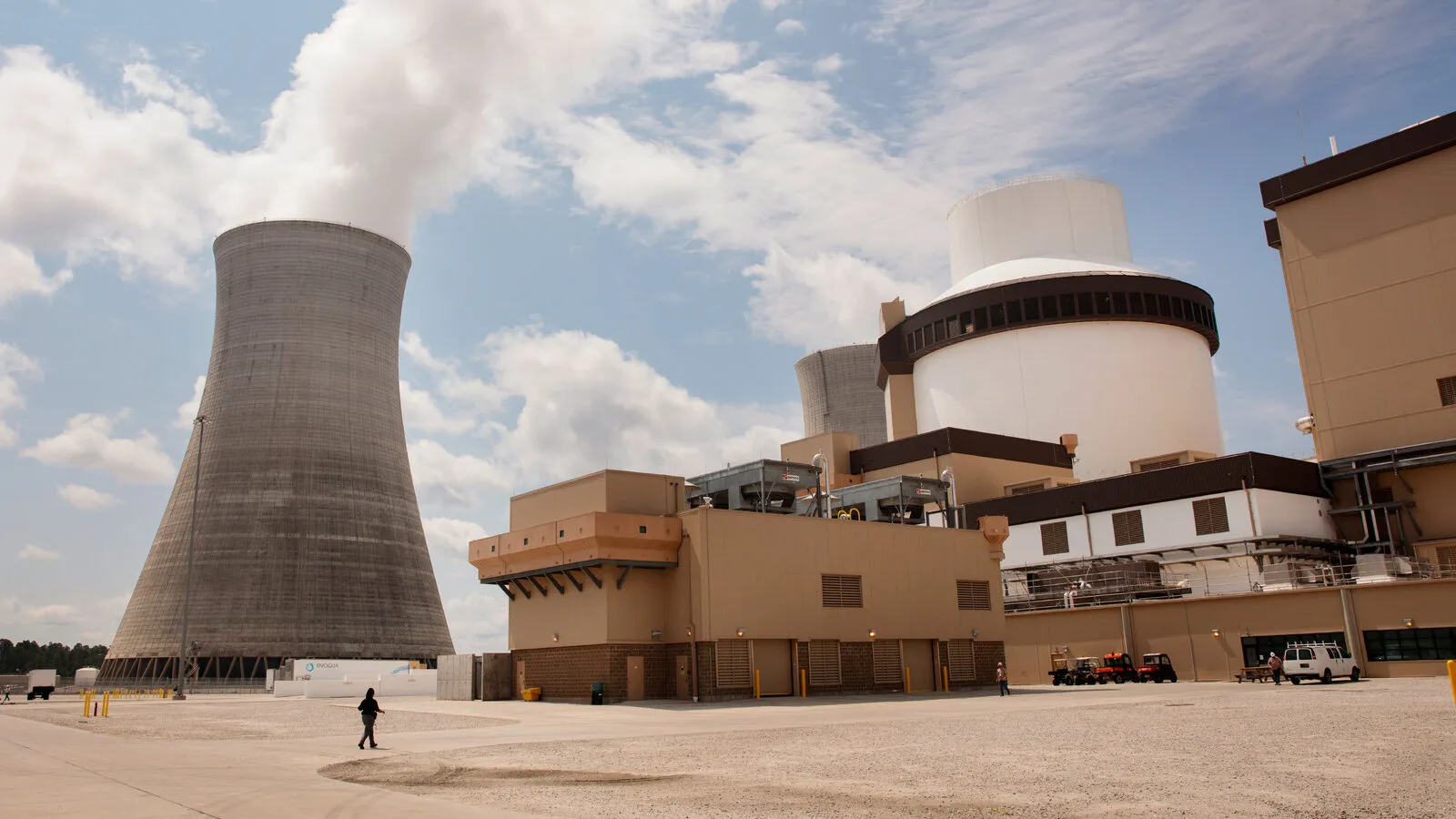
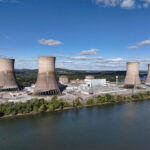
Google’s search for more electricity is taking it back to nuclear plants that already exist. The company and Constellation Energy have agreed on a 20-year power purchase arrangement that will support upgrades at six US sites, adding an estimated 890 megawatts of generating capacity to the regional grid. For a technology company racing to expand AI data centres, the attraction is straightforward: extracting more power from operating facilities may be faster than waiting for a new reactor to be built.
The agreement announced on October 6 covers 11 nuclear units in Illinois, Pennsylvania and New Jersey. Constellation says it will invest more than $4.3 billion in equipment and technology to improve efficiency. The companies describe the additional output as equivalent to a new reactor, but that comparison should not be mistaken for a plan to construct one. This is an upgrade of existing plants, with the new capacity expected to serve the PJM electricity grid.
Google’s own account of the deal ties it directly to data-centre growth. Large AI systems need reliable power not only when they are trained, but each time customers ask them to work. Buying chips without securing electricity leaves expensive computing equipment idle. That has pushed the largest cloud companies into negotiations once associated more closely with utilities than with software firms.
The companies are also extending their technology relationship. Constellation plans to use Google Cloud and Gemini Enterprise tools in parts of its operations, creating an unusual two-way arrangement: the utility supplies electricity while the technology company supplies software. Whether those AI tools make a measurable difference to operating costs or grid reliability will have to be judged after deployment, not from the announcement alone.
There are limits to the promise. Power uprates still require engineering work, regulatory approvals and coordination with a grid under pressure from many customers. A long-term purchase agreement does not mean every watt goes directly to a Google data centre, and extra generation does not automatically solve local transmission constraints. Those details matter in communities asking who pays for the infrastructure behind the AI boom.
Google has already backed other nuclear-linked projects, including the planned restart of Iowa’s Duane Arnold plant. The Constellation deal takes a different route by squeezing more output from reactors that are already running. It says a great deal about where the AI race has moved. Models still compete on intelligence and price, but the companies behind them are now competing for dependable electricity years ahead.
Related Reading
More contextual TechBooky stories selected from tags, categories and article context.
Paul Balo is the founder of TechBooky and a highly skilled wireless communications professional with a strong background in cloud computing, offering extensive experience in designing, implementing, and managing wireless communication systems.
We use cookies to ensure that we give you the best experience on our website. If you continue to use this site we will assume that you are happy with it.