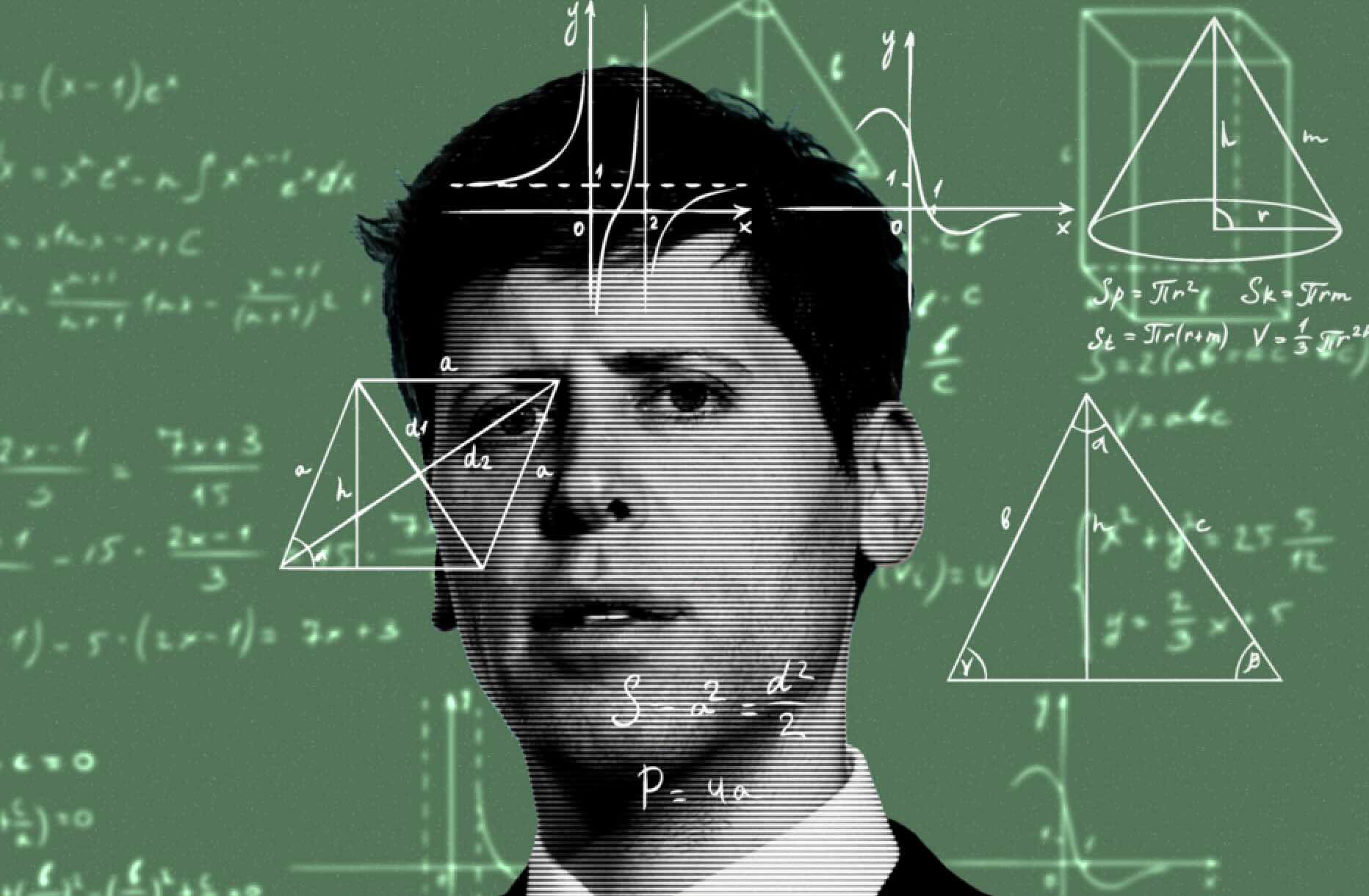
OpenAI is putting a collection of AI-generated mathematics results into the open, inviting researchers to inspect claims that have so far been easy to praise but hard to test. The company says an internal frontier model produced a broad range of new results and that it is releasing the work with supporting material so mathematicians can check the reasoning, challenge mistakes and establish where genuine discoveries may have been made.
In its October 6 announcement, OpenAI said it would share the results through GitHub and provide a process for revisions and citations. It also said many of the proofs have been formalized in Lean, a system that can check whether a mathematical argument follows the rules entered into it. The model behind the work has not been publicly released, so outside researchers will be examining the published outputs and supporting files rather than independently running the same system.
For readers outside mathematics, this is not like asking a chatbot to produce the answer to a school problem. Research claims can extend an existing theorem, find a new connection or expose a flaw in an accepted approach. Even a convincing-looking proof can fail because a condition was missed or because the statement itself was framed incorrectly. Lean can strengthen confidence in a formalized argument, but it does not remove the need to assess whether the theorem is meaningful, novel and translated accurately from the original research question.
OpenAI says it is sharing reasoning summaries and estimates of the computing used for a sample of the work. It also consulted an independent advisory group on mathematics and AI and plans workshops with researchers. Those steps are useful, but they are not a blanket endorsement of every result. The real measure will be what specialists can reproduce, correct and build on over time. Some claims may survive close examination, others may need revision, and the history of mathematics suggests that careful attribution matters as much as a dramatic headline.
There is a wider AI story here. If such systems can reliably help find proofs, mathematicians may spend less time searching blindly and more time choosing worthwhile questions and validating the answers. But access matters. A private model can accelerate its owner’s research while leaving the broader field dependent on selected examples and summaries. Publishing the underlying work gives outsiders something tangible to inspect, even if the system that generated it remains closed.
OpenAI has already faced questions about the strength of earlier mathematical claims, including the high-profile Navier-Stokes discussion that led it to form an independent math advisory group. The new release is best read in that light. It is a potentially important research contribution, not a settled verdict that AI has mastered mathematics. The next chapter belongs to the mathematicians who test each result and decide what actually holds up.
Related Reading
More contextual TechBooky stories selected from tags, categories and article context.
Paul Balo is the founder of TechBooky and a highly skilled wireless communications professional with a strong background in cloud computing, offering extensive experience in designing, implementing, and managing wireless communication systems.
We use cookies to ensure that we give you the best experience on our website. If you continue to use this site we will assume that you are happy with it.