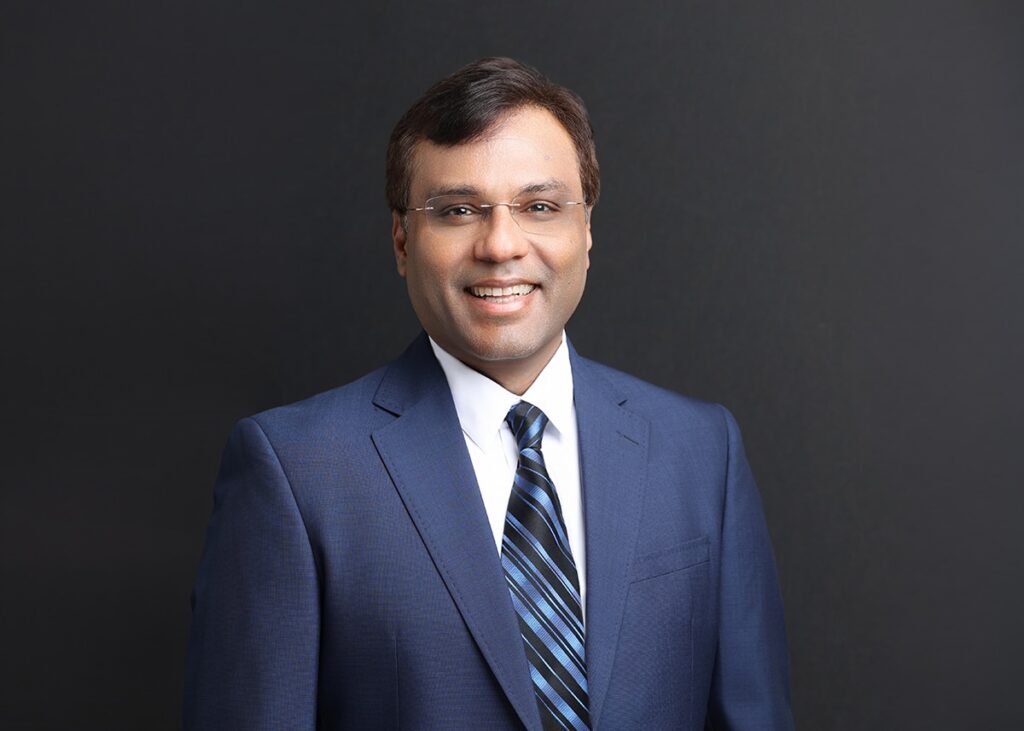
Boston Dynamics has named Rohit Prasad its new chief executive, putting an artificial intelligence veteran in charge of a company best known for robots that can walk, climb and work in places built for people. The appointment takes effect on October 7. It is a revealing choice at a moment when the industry is trying to turn impressive demonstrations of physical AI into useful, repeatable work.
Prasad spent 12 years at Amazon, where he helped lead Alexa and later the company’s broader artificial intelligence efforts, including its Nova models. Before that, he worked at Raytheon BBN Technologies. In announcing the appointment, Boston Dynamics said his experience in AI research and product development would help guide the next stage of its business.
Boston Dynamics already sells Spot, its four-legged robot, for tasks such as industrial inspection, and Stretch for warehouse and logistics work. Atlas, its electric humanoid, remains the most watched project, but the challenge there is different from making a viral video. A robot on a factory floor has to work reliably across long shifts, handle changing surroundings and justify its cost. The same AI advances that make a machine more adaptable also bring questions about safety, supervision and how much autonomy customers will actually trust.
That is why the leadership change matters beyond Boston Dynamics. Prasad’s background is in building AI systems for large numbers of users, while the company has spent years mastering the mechanics of movement. Bringing those disciplines together could help robots understand instructions and unfamiliar situations without requiring every action to be programmed in advance. It does not mean a general-purpose humanoid is ready for every workplace, and Boston Dynamics has not announced a timetable for mass Atlas deployment.
The company is owned by Hyundai Motor Group, which has a direct interest in automation across manufacturing and logistics. Boston Dynamics will still have to show that its machines can fit into ordinary operations, not just special pilot projects. Spot and Stretch give it a commercial base, but Atlas will draw attention because humanoid robots promise to use spaces and tools designed around human workers. That promise is powerful, and proving it at scale is expensive.
The race is drawing other large technology companies toward robotics as well. Meta’s move into humanoid robotics is one sign that the market sees physical AI as a possible next platform. For Boston Dynamics, Prasad’s first test will be less theatrical. He must make the company’s software, hardware and customer economics line up well enough that more businesses see a robot as an everyday tool.
Related Reading
More contextual TechBooky stories selected from tags, categories and article context.
Paul Balo is the founder of TechBooky and a highly skilled wireless communications professional with a strong background in cloud computing, offering extensive experience in designing, implementing, and managing wireless communication systems.
We use cookies to ensure that we give you the best experience on our website. If you continue to use this site we will assume that you are happy with it.