Meta is adding a new safety layer to Meta AI for teenagers, and it raises one of the hardest questions in consumer AI: when an AI chatbot sees signs that a young person may be in distress, who should be told, how quickly and with what safeguards?
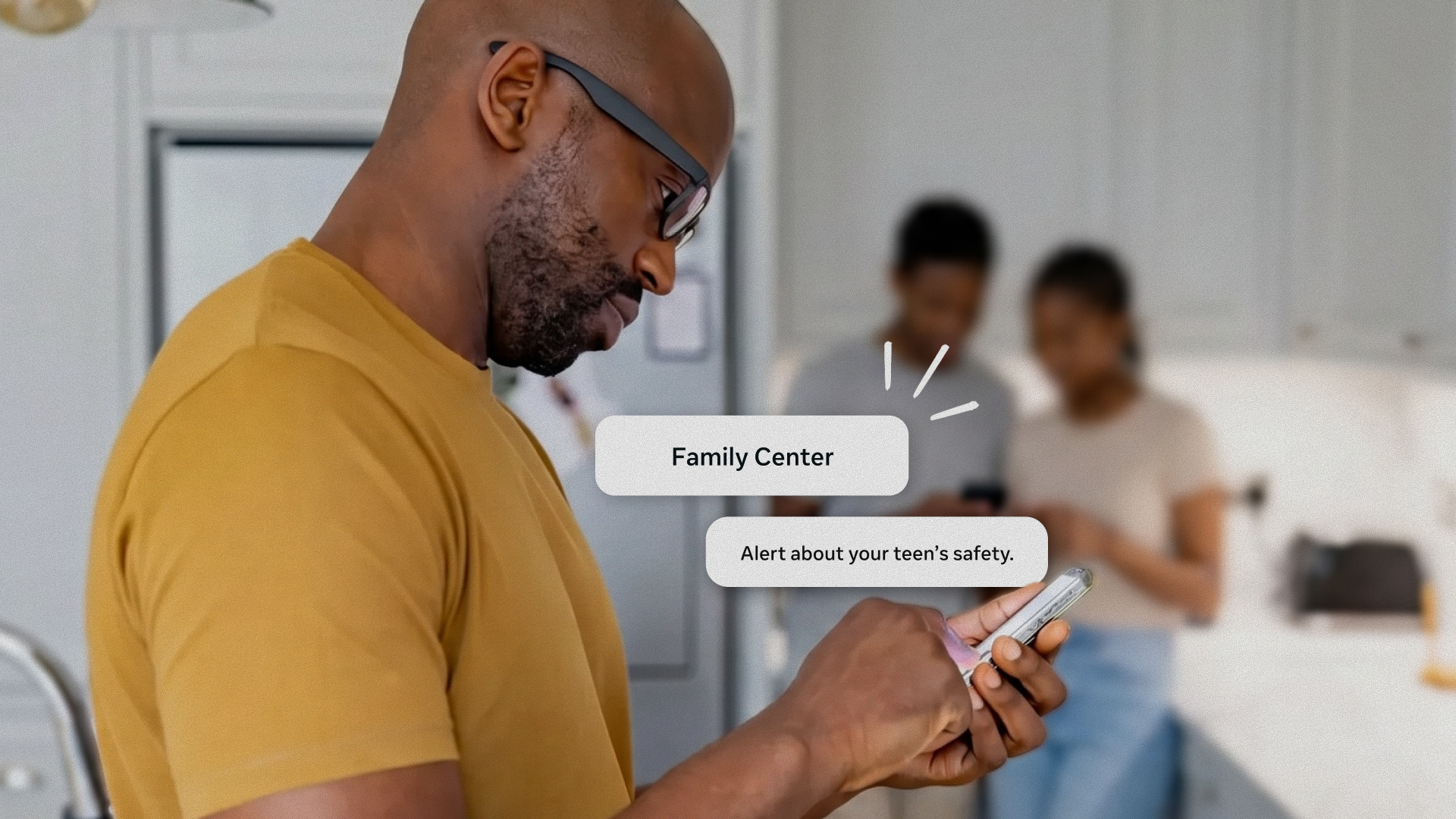
In a company update published today, Meta said parents using Instagram supervision tools will now be notified if their teen discusses suicide or self-harm with Meta AI. The company says it will provide expert resources to help parents approach those conversations and is also building ways to alert first responders if someone appears to be at imminent risk.
The update comes as AI assistants are becoming more personal, especially for younger users who may treat chatbots as private, always-available companions. That makes safety design more complicated. A system must respond with care, respect privacy and still avoid missing a genuine crisis.
Meta says Meta AI already directs teens to crisis helplines and encourages them to reach out to a parent, counsellor or trusted adult when they suggest they may be thinking about suicide or self-harm. The new change adds a proactive parent alert for supervised teen accounts when conversations suggest risk.
According to Meta, the signals were developed with expert input, and the company has used feedback from more than 75 clinicians to improve how Meta AI responds to prompts about suicide or self-harm. Sky News reported that Meta will use manual review before an alert is sent, which is important because false positives in this area could create serious family and privacy consequences.
This is a sensitive product decision because the stakes are high on both sides. If Meta does nothing, critics will ask why a system that detected distress did not involve an adult. If Meta alerts too broadly or too aggressively, teens may feel surveilled or avoid seeking help through digital tools altogether.
The story fits into a broader shift in AI safety. The first wave of AI moderation focused on blocking harmful outputs. The next wave is about what AI systems should do when a user appears vulnerable. That is harder because the correct response may not be a refusal. It may be supportive language, crisis resources, escalation, parental notification or emergency intervention.
Our earlier report on China’s AI companion rules and emotional dependency looked at how governments are beginning to regulate humanlike AI relationships. Meta’s update shows the same issue from another angle: once people talk to AI systems about intimate problems, platforms inherit a duty of care they cannot easily automate away.
The challenge is that AI systems are not therapists, parents or emergency workers. They can detect patterns and offer resources, but they can also misunderstand context. A teenager discussing a school project, a lyric, a fictional scene or a friend’s situation could trigger sensitive signals. That is why review processes, appeal paths and clear parental guidance matter.
Regulators are already scrutinising how social platforms affect teen mental health. AI chatbots add a new layer because they can interact privately, at length and in emotionally persuasive language. A feed recommends content; a chatbot can respond like a person. That difference changes the risk profile.
Meta is likely trying to get ahead of both public concern and future rules. By building parental alerts into supervised teen accounts, the company can argue that it is adding practical safety infrastructure rather than waiting for lawmakers to force changes.
The real test will be execution. Parents need alerts that are timely, accurate and useful. Teens need systems that do not shame or punish them for asking for help. And platforms need to be honest about the limits of AI detection. This is one of those product changes that will be judged not by how good it sounds in a policy post, but by what happens in the most difficult moments.
Related Reading
More contextual TechBooky stories selected from tags, categories and article context.
Paul Balo is the founder of TechBooky and a highly skilled wireless communications professional with a strong background in cloud computing, offering extensive experience in designing, implementing, and managing wireless communication systems.
We use cookies to ensure that we give you the best experience on our website. If you continue to use this site we will assume that you are happy with it.