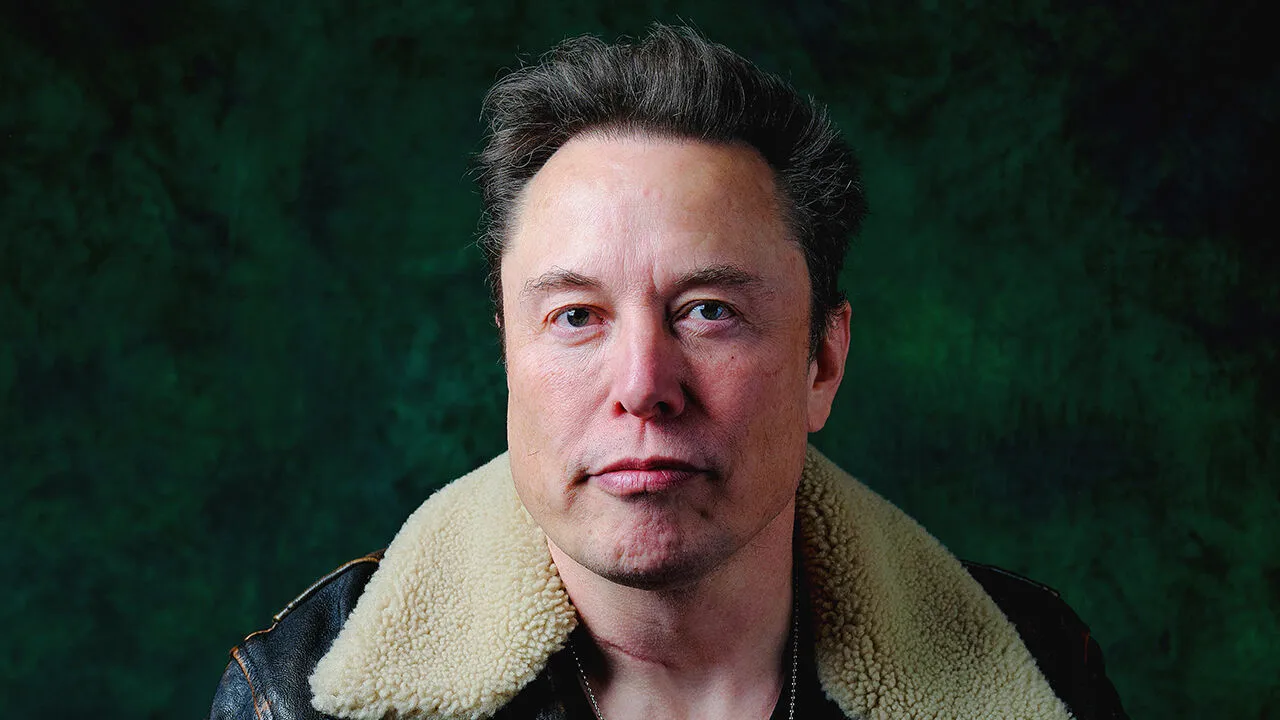
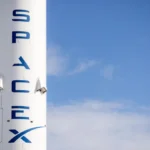
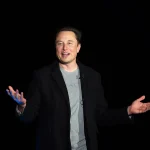
Elon Musk says he will give one SpaceX share to every child in America next year. The pledge, made in an X post early Monday, October 19, is striking both for its potential scale and for the questions left unanswered. Musk has not published eligibility rules, a distribution mechanism or a formal timetable beyond 2027, according to the Associated Press.
SpaceX is a publicly traded company, so a share has a quoted market value. It closed at $146.03 on Friday, AP reported. With more than 72 million people under 18 in the United States, a one-share-per-child gift would amount to roughly $10.5 billion at that price, an estimate rather than an announced donation budget. Share prices change, and the number of eligible recipients could depend on how Musk defines a child in America.
Musk said he would give one of his own shares to each child, but has not explained how minors would receive or hold them. A workable scheme would have to address custody, identity verification, parental or guardian control, tax treatment and what happens to children who do not have a brokerage account. It would also have to clarify whether eligibility depends on citizenship, residency or simply living in the United States. None of those questions should be mistaken for settled terms.
The promise follows a related argument about who should share in the upside from powerful technology companies. On Sunday, Anthropic announced a plan to place 5 percent of its shares in a public benefit fund, subject to shareholder approval. TechBooky reported the details and limits of that plan. Musk responded that shares should go directly to the public before making his own pledge, AP said. The two ideas are not identical in that Anthropic has proposed a company-owned vehicle for future public-benefit work, while Musk is talking about individual ownership for children.
The direct-ownership idea is easy to grasp. If delivered, each recipient would have a personal stake in SpaceX’s future rather than depending on a fund to decide who benefits. But one share is not guaranteed income. Its value could rise or fall, and a child would not automatically receive cash unless a share were sold or the company paid a dividend. Those differences matter when a headline-sized valuation is presented as a benefit for families.
SpaceX went public in June 2026, turning its shares into a liquid market asset and giving the pledge a readily calculable price tag. TechBooky covered the company’s first public earnings, including the investment demands of Starlink, Starship and AI infrastructure. That backdrop is relevant because even a generous stock gift exposes children to the fortunes of a single company, not a diversified savings plan.
The announcement also comes just before SpaceX is due to report another quarterly result on Tuesday. That timing does not establish a connection between the two events. Investors and families will be watching for separate answers like how the business is performing, and whether Musk turns a social-media promise into a documented programme.
For now, this is a pledge, not a completed transfer. A credible next step would spell out who qualifies, which shares will be used, where they will be held and how families can claim them without exposing children to scams. Until those details arrive, the scale is newsworthy, but the practical benefit remains an open question.
Related Reading
More contextual TechBooky stories selected from tags, categories and article context.
Paul Balo is the founder of TechBooky and a highly skilled wireless communications professional with a strong background in cloud computing, offering extensive experience in designing, implementing, and managing wireless communication systems.
We use cookies to ensure that we give you the best experience on our website. If you continue to use this site we will assume that you are happy with it.