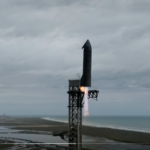
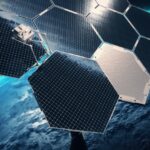
The US Federal Communications Commission has authorised SpaceX to deploy an orbital data-centre constellation of up to one million satellites, a striking attempt to move some AI computing beyond Earth. The proposed network, called Starmind, is still a plan rather than a functioning space-based data centre.
In its 25 November announcement, the FCC described the decision as the first US authorisation for a constellation of data centres in space. SpaceX proposes using orbital compute modules to process large volumes of data for use on Earth. The number is an upper limit in an approval, not a count of spacecraft already manufactured or deployed.
The FCC’s order sets conditions and milestones for the project. SpaceX must place at least one authorised satellite in orbit by 25 November 2033. Later deployment requirements mean that regulatory permission should not be mistaken for a guarantee that the full constellation will appear. The approval addresses communications between spacecraft and the ground, including radio links that would back up optical connections.
The company argues that space could offer solar energy and an alternative to land-hungry, power-hungry terrestrial facilities. That is the commercial logic behind the proposal as demand for AI training and inference stretches electricity grids and raises questions about where new data centres can be built. Yet moving compute into orbit creates its own engineering and environmental costs, from launches and thermal management to maintenance and collision risk.
Even if SpaceX deploys only a fraction of the authorised maximum, a large compute constellation could intensify concerns about orbital congestion and debris. Associated Press reported scepticism among scientists about the proposal. The FCC’s order includes reporting and disposal requirements, but the practical test will come as SpaceX presents hardware, launch schedules and evidence that the economics work.
For the AI industry, Starmind is less an immediate replacement for data centres on Earth than a marker of how far companies are looking for power and capacity. For satellite operators and regulators, it raises a harder question. Can the benefits of orbital computing justify a constellation on a scale not previously attempted? The answer depends on technical delivery, compliance with the licence and the real-world performance of the first satellites.
Related Reading
More contextual TechBooky stories selected from tags, categories and article context.
Paul Femi Balo is the founder and publisher of TechBooky. He covers artificial intelligence, African technology, digital infrastructure, enterprise technology and the global digital economy.
We use cookies to ensure that we give you the best experience on our website. If you continue to use this site we will assume that you are happy with it.