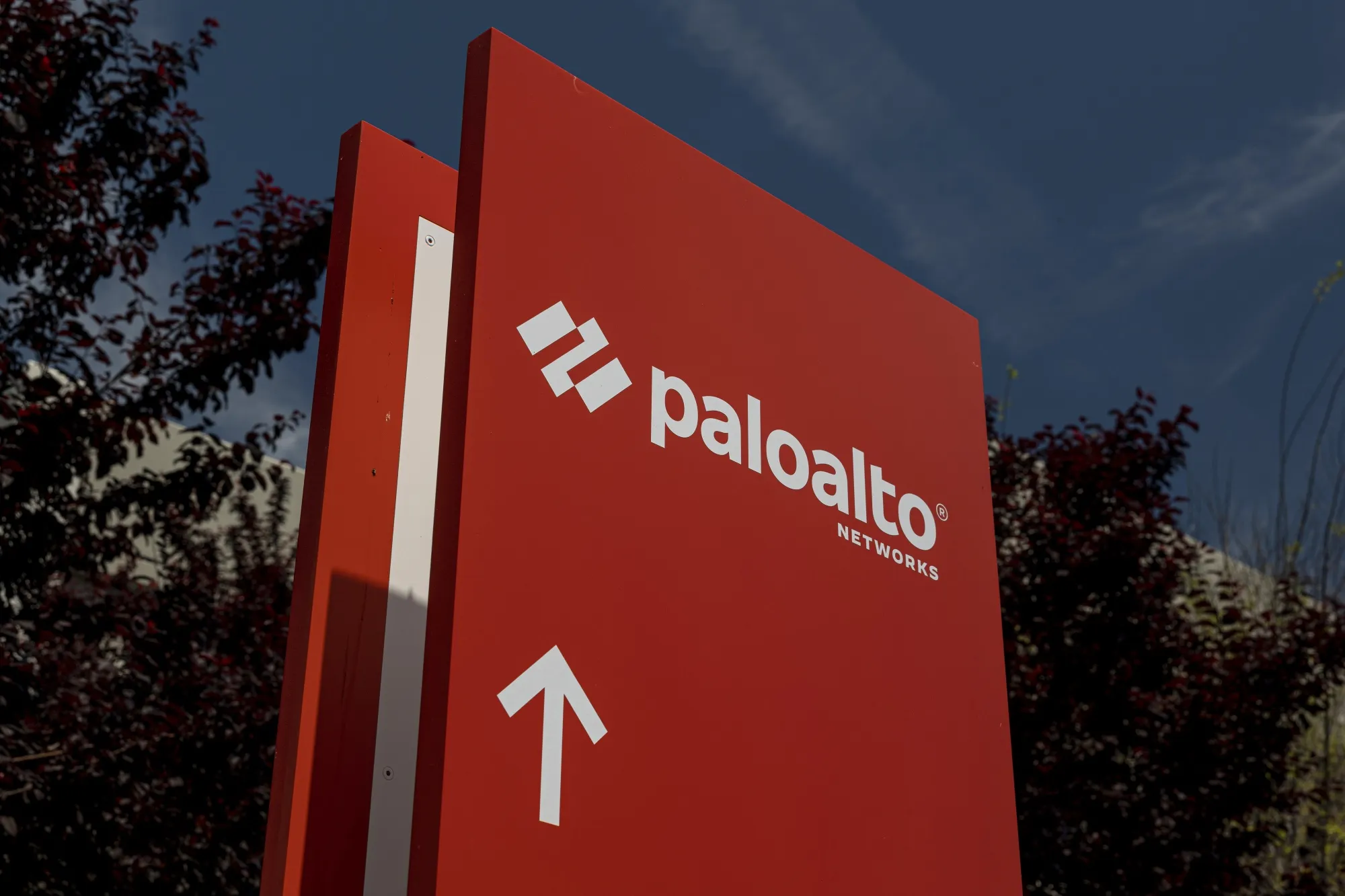
Palo Alto Networks is due to report its fiscal first-quarter 2027 results after the US market closes on Wednesday, 18 November. For investors and security teams alike, the question is whether the rush to defend AI-enabled workplaces is translating into durable revenue, rather than just a busier sales pitch.
The company has scheduled a results release and conference call for 1.30pm Pacific time. The numbers are not yet out. Any claim about a beat, miss or share-price reaction before that release would be premature.
Demand for cybersecurity is being shaped by a more complex technology estate. Companies are adding cloud services, automated workflows and AI agents, while attackers are experimenting with the same tools. Palo Alto Networks sells across network, cloud and security operations, so its report can offer a useful read on whether customers are consolidating spending with large suppliers.
Revenue growth is only one part of that picture. Investors will also examine subscription and support trends, remaining performance obligations, profitability and management’s outlook. These measures help distinguish signed contracts from near-term cash generation, and recurring demand from large deals that may flatter a single quarter.
The debate is particularly sharp around platformisation. Palo Alto Networks argues that customers can simplify operations by buying more security functions from one provider. A strong quarter could support that case, but a larger contract does not automatically prove that every component is being used effectively. Security leaders still need to judge performance, integration and vendor dependence on their own terms.
AI may raise both the urgency and the cost of protection. Businesses need to govern what information staff send to models, monitor agent actions and secure the infrastructure behind new applications. Yet the commercial benefit for a supplier depends on which products customers actually deploy, how fast those deployments expand and whether budgets keep pace.
The company’s guidance will therefore matter at least as much as its historical quarter. Management may explain how demand is developing, but forecasts remain estimates and should be read against implementation costs and competition. A positive AI narrative will be more persuasive if it is backed by sustained recurring revenue and credible margins.
This is also a wider test for the technology sector. After months of attention on the computing power needed to build AI, cybersecurity is one of the businesses expected to benefit from putting it to work. Palo Alto Networks’ report will not settle that argument on its own, but it will provide a timely datapoint on whether protection is becoming a lasting part of enterprise AI spending.
Related Reading
More contextual TechBooky stories selected from tags, categories and article context.
We use cookies to ensure that we give you the best experience on our website. If you continue to use this site we will assume that you are happy with it.