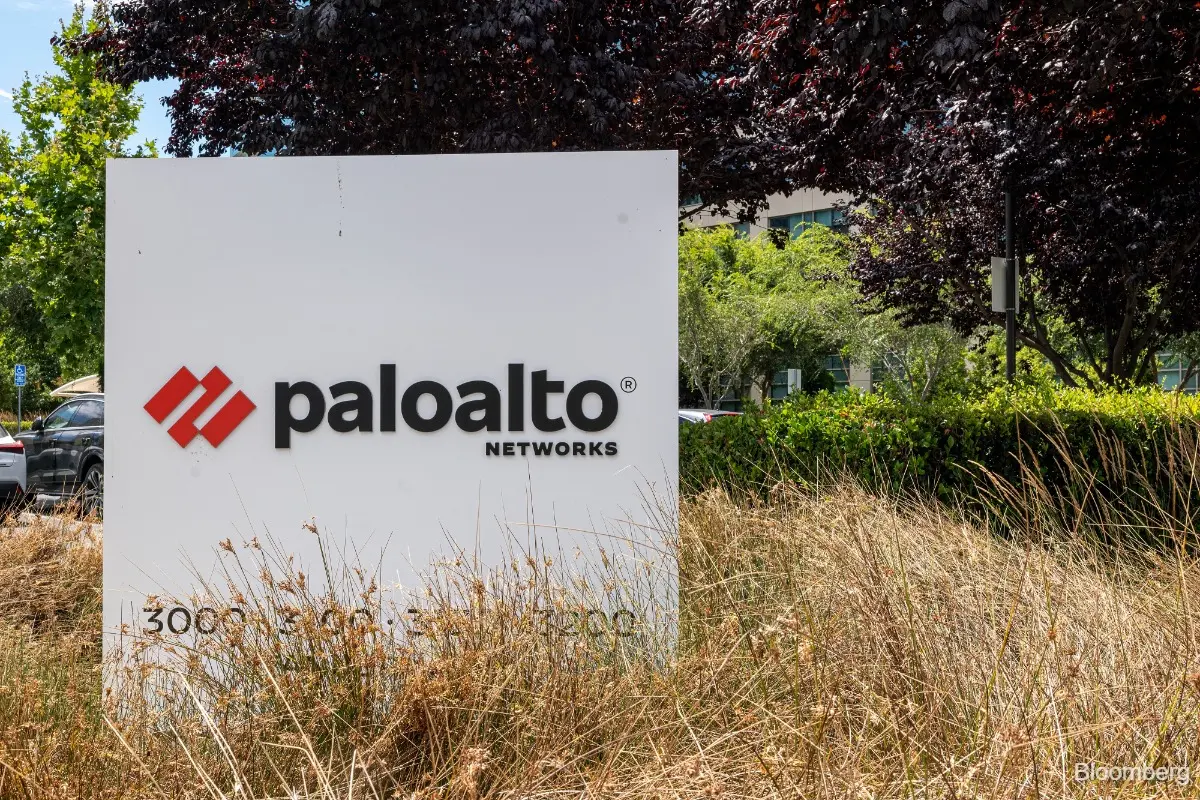
China has launched a cybersecurity review of Palo Alto Networks products, a move that shows the US-China technology split is moving beyond chips, AI models and cloud infrastructure into enterprise security tools.
China state media said the Cyberspace Administration of China began reviewing products sold in the country by Palo Alto Networks to ensure the safe and stable operation of critical information infrastructure and prevent cybersecurity risks. Xinhua carried the regulator statement, while The Information framed the move as part of escalating trade friction and tech rivalry between the US and China.
Palo Alto Networks is one of the world most important cybersecurity companies, selling firewalls, cloud-security tools, endpoint protection and threat-detection products to enterprises and governments. A review by Beijing is therefore not just about one vendor. It is about whether foreign cybersecurity products can be trusted inside Chinese critical infrastructure.
That question cuts both ways. The US has spent years scrutinising Chinese hardware, telecom equipment, cloud services and software on national-security grounds. China is now using similar language against American cybersecurity products. In effect, both sides are saying the same thing: digital infrastructure is too strategic to trust a rival country vendor without review.
This comes as China also tightens pressure around American chips, cloud access and AI infrastructure. We recently argued that China may win the AI race if the US does not adapt, partly because China is building domestic alternatives and pushing open-weight models aggressively. The Palo Alto review sits inside that same sovereignty logic.
The cybersecurity angle is especially sensitive because security products sit deep inside enterprise networks. They inspect traffic, enforce access rules, monitor endpoints and sometimes hold privileged visibility into sensitive systems. If a country distrusts a foreign security vendor, the product itself becomes part of the perceived attack surface.
For Palo Alto Networks, the commercial impact depends on how broad and long the review becomes. China is not its largest market, but the symbolism matters. If Chinese agencies and critical-infrastructure operators move away from US cybersecurity products, domestic Chinese vendors will benefit, and other countries may face pressure to make similar sovereignty choices.
There is a wider market lesson too. Cybersecurity used to be sold as a neutral technical layer. Increasingly, it is geopolitical. Governments are asking where products are built, who can update them, what telemetry they collect, whether source code can be inspected and whether vendors could be pressured by foreign laws.
That matters for Africa as well. African banks, telcos, governments and data-centre operators buy security products from global vendors. As US-China rivalry grows, procurement decisions may become more complicated. Countries will need to balance product quality, vendor trust, cost, local regulation and geopolitical exposure.
China review of Palo Alto Networks is therefore not an isolated regulatory move. It is another sign that the world is building separate trust zones around technology. Chips, models, clouds, cybersecurity products and data centres are all becoming part of the same strategic contest.
Related Reading
More contextual TechBooky stories selected from tags, categories and article context.
Paul Balo is the founder of TechBooky and a highly skilled wireless communications professional with a strong background in cloud computing, offering extensive experience in designing, implementing, and managing wireless communication systems.
We use cookies to ensure that we give you the best experience on our website. If you continue to use this site we will assume that you are happy with it.