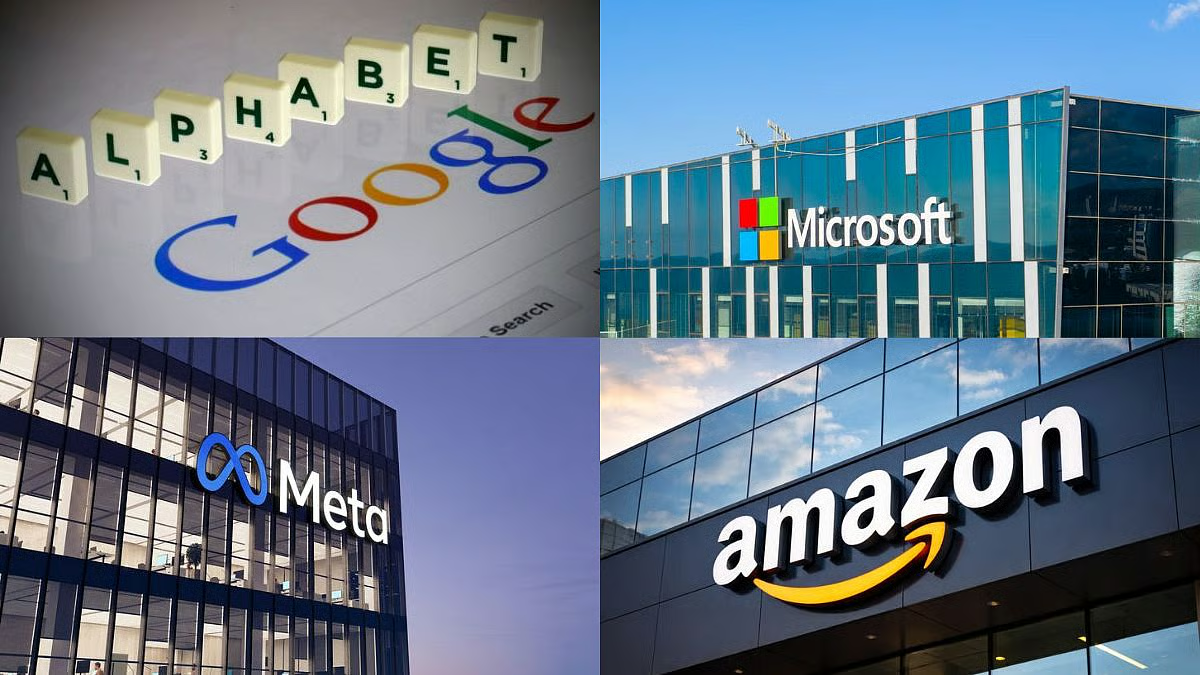
The next set of Big Tech earnings will test whether artificial intelligence is turning from a spending promise into a durable business. Alphabet and Microsoft are expected to report on Wednesday, October 28, followed by Amazon on Thursday, October 29. These are upcoming results, not figures that have already been released. The most important numbers may be less about headline profit than the relationship between cloud growth, AI demand and the cost of building the infrastructure behind both.
Investors have spent much of 2026 trying to answer a deceptively simple question. How quickly can companies earn a return on the enormous sums going into data centres, chips, power and AI products? An AP report on the coming earnings week describes that tension. Strong sales alone may not settle it if capital expenditure keeps rising faster than investors expected.
Alphabet’s investor update is due on October 28, with its investor relations site carrying official materials. Google Cloud growth will be watched closely, along with management’s guidance on AI infrastructure. The company has been investing heavily in compute while integrating Gemini across search, productivity software and cloud services. The earnings call should offer a clearer view of whether those products are adding revenue at a pace that justifies the build-out. TechBooky covered the same spending question after Alphabet’s previous results.
Microsoft’s fiscal first-quarter results arrive the same day, according to its investor calendar. Azure growth and demand for AI services will be central. Yet investors also need to understand how much new capacity is being added, how quickly that capacity is put to work and whether AI features in Microsoft 365 can support attractive margins. A cloud provider can have a full order book and still face near-term pressure from depreciation, energy and hardware costs.
Amazon is scheduled to release third-quarter results on October 29. Its earnings information will put AWS growth beside the group’s retail and advertising businesses. AWS is a particularly useful gauge of enterprise demand for AI infrastructure, but the company must also show that its spending on capacity can be translated into sustained customer use. TechBooky examined that balance in its earlier Amazon earnings report.
The companies are not identical, and their reports should not be reduced to a single AI scorecard. Search advertising, workplace software, online shopping and cloud computing each have different economics. Still, the three calls together will provide a valuable cross-check on the AI boom. Watch reported cloud revenue, capital expenditure, management’s capacity comments and any change in full-year guidance. Until the companies publish their numbers, claims about a beat, miss or market reaction remain speculation.
Related Reading
More contextual TechBooky stories selected from tags, categories and article context.
Paul Femi Balo is the founder and publisher of TechBooky. He covers artificial intelligence, African technology, digital infrastructure, enterprise technology and the global digital economy.
We use cookies to ensure that we give you the best experience on our website. If you continue to use this site we will assume that you are happy with it.