More than 75 million subscribers have received compensation from telecom operators for poor network services, the Nigerian Communications Commission has reported, in what ranks as one of the largest consumer redress exercises recorded across Africa’s biggest mobile market.
In a statement released on Tuesday after its 109th board meeting, which took place on May 25, 2026, the industry regulator revealed this information, claiming that the compensation represented notable advancements in the enforcement of quality-of-service requirements across mobile networks.
The NCC’s March 29, 2026, rule requiring mobile providers to reimburse customers for poor network performance was followed by this event.
Operators were mandated by the order to automatically provide airtime credits to impacted customers based on their average spending in areas where service quality fell short of regulatory standards.
The communiqué stated, “The board noted significant progress in the implementation of the commission’s directive, particularly the full compliance, which has resulted in compensation being offered to over 75 million affected subscribers.”
In response to ongoing customer complaints about dropped calls, sluggish data speeds, and uneven network coverage, the commission stated that the exercise was a part of a larger initiative to enforce quality-of-service standards on operators.
The regulator continued to carry out independent validation to ensure that all eligible customers had been accurately recorded in the compensation procedure, even if operators had reported compliance.
The statement stated, “The board further acknowledged ongoing efforts to independently validate operators’ claims and ensure that all eligible subscribers receive compensation due to them, while encouraging consumers to continue their engagement with the commission.”
With more than 200 million mobile subscriptions in Nigeria, according to industry figures, the compensation exercise therefore potentially touches a significant proportion of active subscribers across the continent’s largest telecommunications market.
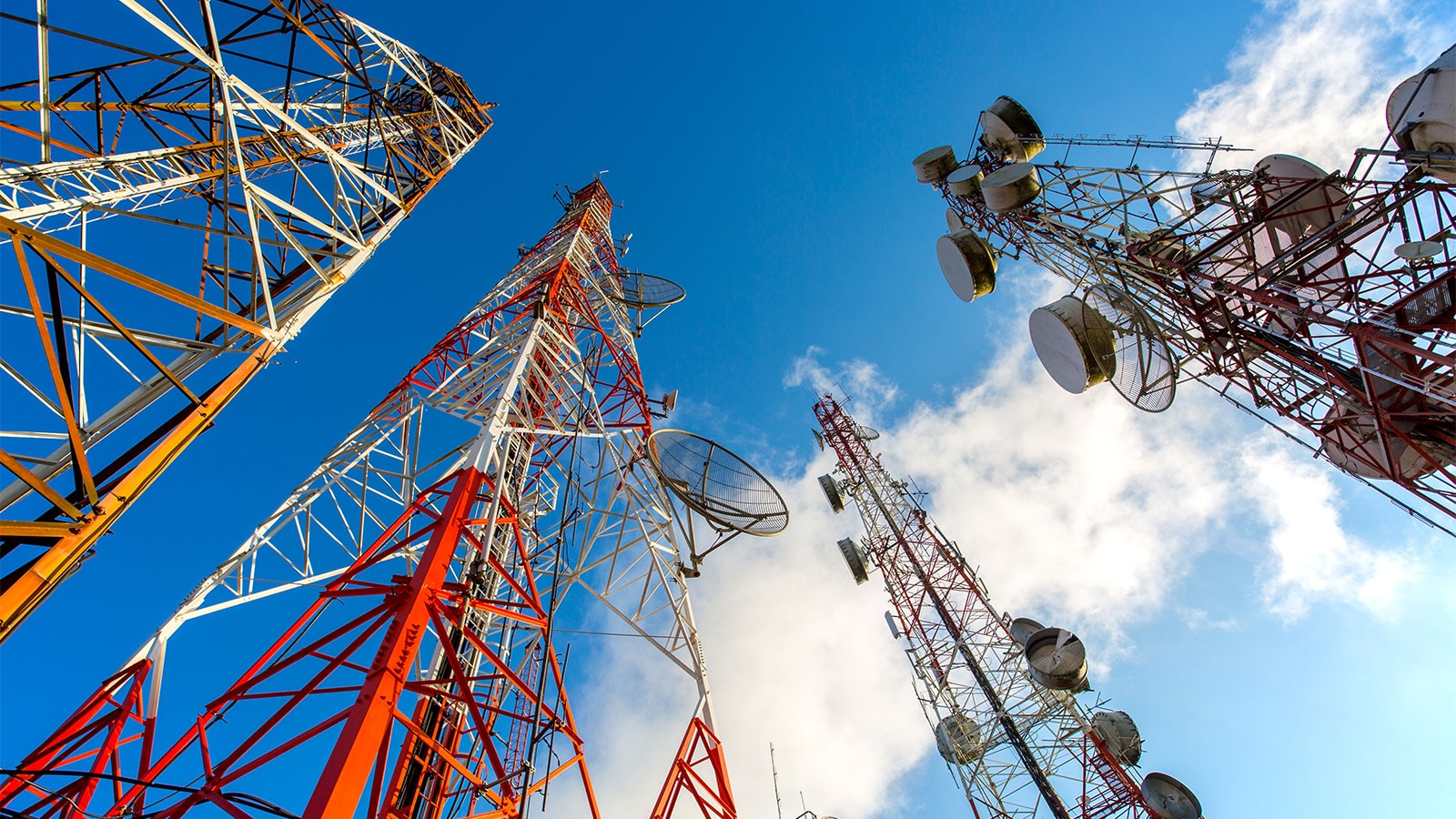
Infrastructure providers, especially tower firms (TowerCos), were instructed to reinvest regulatory fines into network upgrades through escrow arrangements intended to improve service resilience. The board also examined compliance by TowerCos.
It warned that complete adherence was required to accomplish the planned infrastructure changes and stated that compliance had been just 50%.
The statement read, “The board emphasized the importance of full compliance to ensure that the intended infrastructure improvements are realised sustainably while acknowledging the progress made to date.”
Nigeria’s telecom industry is still dealing with structural issues, such as growing data demand, unequal fiber deployment, and a significant reliance on mobile internet, which has put pressure on network capacity. This is why the regulator intervened.
Nigerian telecom companies have persisted in making significant investments in service enhancements and network infrastructure. Tower firms, mobile network operators, and other industry participants spent around N2.13 trillion on capital expenditures in 2025.
In order to better service delivery for mobile and data users nationwide, operators said they want to invest over N1.86 trillion in 2026. This money will go toward network development, technological advancements, and more general operational enhancements.
The NCC added that although penetration is still low in comparison to the country’s need, attempts to increase fibre-to-the-home connections are starting to gain momentum. It stated that in order to relieve pressure on mobile networks and eventually lower the cost of data services, a more extensive rollout of fibre and wholesale backbone growth would be essential.
Despite the fact that telecom assets are considered important national information infrastructure, the commission identified chronic vandalism of telecom facilities as a significant barrier to service reliability, going beyond infrastructural deficits.
“The board acknowledged the ongoing sectoral issues impacting the commission’s licensees’ operations, such as infrastructure vandalism, which has continued to impede industry growth,” the statement stated.
To improve the security of telecom infrastructure across the country, the NCC stated that it is investigating new safeguards, such as a proposed Communications Industry Security Trust Fund.
In an effort to enhance service quality in a market where customer dissatisfaction with network performance has persisted despite years of operator investment, the NCC is taking a more proactive approach with the compensation scheme and continued regulatory enforcement.
On the subject of regulatory auditing and infrastructure progress, the NCC explained that despite operators claiming full compliance, the commission has begun an independent verification process. This audit is designed to ensure that every qualified subscriber actually obtained their airtime credits.
For a lasting fix to underlying network gaps, operators have pledged to roll out over 12,000 additional coverage and capacity sites nationwide. More than 5,000 of these sites have already been finished, and fibre connections have been expanded to over 700 sites to enhance network backhaul capacity.
Related Reading
More contextual TechBooky stories selected from tags, categories and article context.
We use cookies to ensure that we give you the best experience on our website. If you continue to use this site we will assume that you are happy with it.