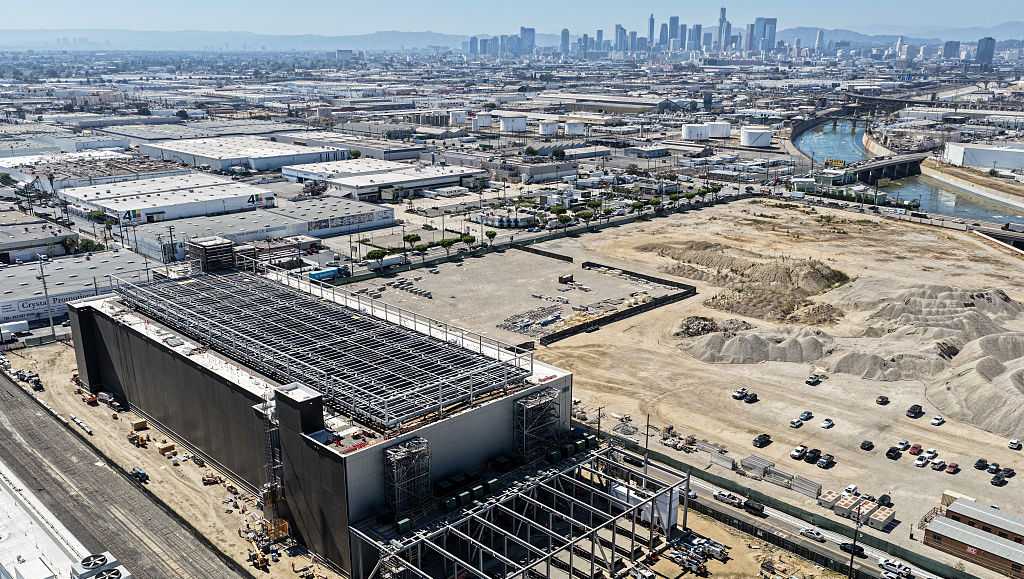
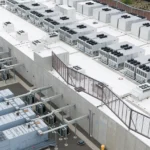
New York has become the clearest sign yet that the AI infrastructure boom is running into politics. The state has temporarily halted permits for large new data centres, a move that turns what used to be a quiet cloud-computing issue into a public fight over electricity, water, land and who benefits from the AI buildout.
Governor Kathy Hochul’s executive order bars state approval for new data-centre permits covering projects of 50 megawatts or more while New York develops an environmental review process. The pause is expected to last about a year and could affect more than a dozen projects.
The language around the order is important. Hochul said data centres should be built only in communities that want them and should not arrive with higher utility bills, drained water supplies or noise pollution. That is a very different tone from a few years ago, when states often competed aggressively to attract data-centre investment.
AI changed the scale of the problem. A normal cloud facility is already power hungry. AI campuses are larger, denser and more politically visible because the public now connects them with rising electricity demand and the rapid spread of AI tools that many people do not fully trust.
This is not only a New York issue. Seattle has enacted a one-year moratorium on new data-centre construction, while AP has tracked growing pushback from rural communities in Texas and other states. The politics are unusual because data-centre scepticism is not cleanly left or right. Local conservatives worry about land, utility bills and foreign technology. Progressives worry about climate, water and labour. Both groups are beginning to ask why their communities should absorb the costs of someone else’s AI boom.
That makes life harder for AI companies. OpenAI, Microsoft, Google, Meta and Amazon can sign enormous cloud and chip deals, but those deals still need physical locations, grid connections, water systems, zoning approvals and political tolerance. The AI race may be global, but every data centre is local somewhere.
TechBooky recently looked at OpenAI’s reported $750 billion AI infrastructure plan, including Project Camellia in Georgia. That story shows the size of the ambition. New York’s pause shows the constraint. The future of AI will depend not only on who has the best models, but also on who can persuade communities, utilities and regulators to host the infrastructure behind them.
The industry may eventually adapt by building cleaner power, paying more for grid upgrades, using less water and being more transparent with communities. But the days of quietly dropping massive compute campuses into local planning systems may be ending.
That is why New York matters. It is not just pausing data centres. It is forcing the AI industry to admit that the physical cost of intelligence is now a public issue.
Related Reading
More contextual TechBooky stories selected from tags, categories and article context.
Paul Femi Balo is the founder and publisher of TechBooky. He covers artificial intelligence, African technology, digital infrastructure, enterprise technology and the global digital economy.
We use cookies to ensure that we give you the best experience on our website. If you continue to use this site we will assume that you are happy with it.