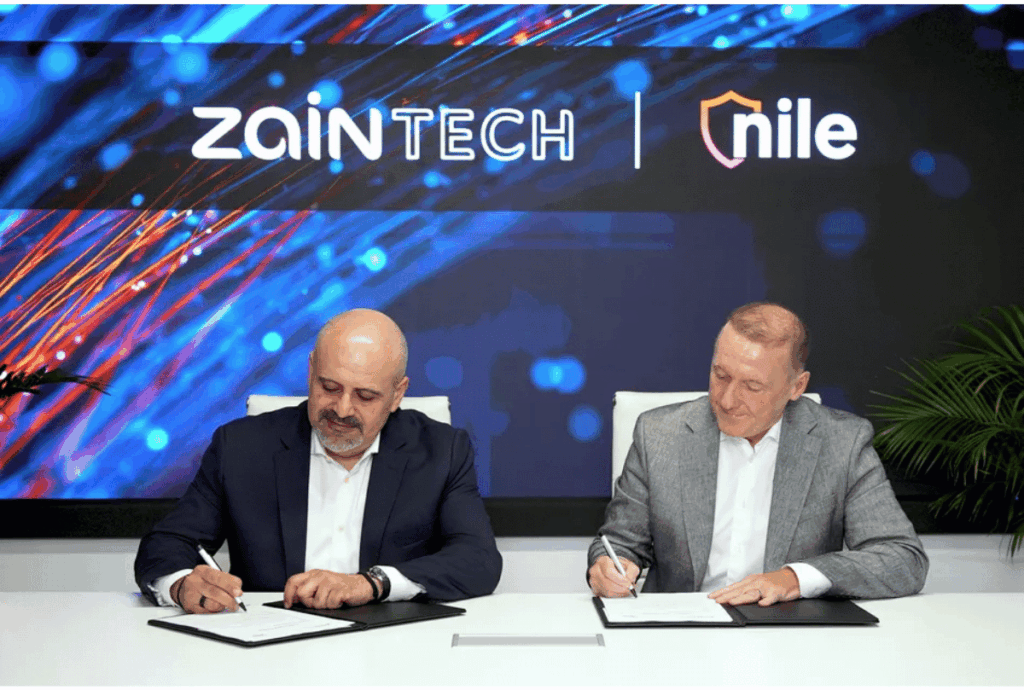
ZainTECH and Nile have announced a partnership to deliver AI-ready Network-as-a-Service solutions across the Middle East, and the timing is telling. As companies rush into AI, the network is becoming just as important as the model or the cloud contract.
ZainTECH says the partnership will combine its regional digital solutions reach with Nile’s secure, cloud-native networking model. Nile was founded by former Cisco CEO John Chambers and is building what it calls a modern NaaS platform for enterprises that want simpler, more secure network operations.
The pitch is straightforward. Businesses want to run more AI tools, move more data, connect more devices and support more distributed workers. But many still rely on networks that were designed for a slower, less cloud-heavy era. AI makes that gap harder to ignore because latency, reliability, security and bandwidth all become business issues.
A lot of AI coverage focuses on chips and data centres, but enterprise adoption also depends on the everyday pipes inside offices, branches, factories, campuses and edge locations. If the network is unreliable or difficult to secure, AI applications become harder to deploy safely.
This is where Network-as-a-Service becomes attractive. Instead of buying, configuring and maintaining complex networking hardware in the old way, companies can consume networking more like a managed cloud service. That can help organisations move faster, especially when they need secure connectivity for AI workloads, cloud apps and connected devices.
For ZainTECH, the deal fits a wider push to become more than a telecom-adjacent technology provider. It wants to sit in the enterprise digital transformation market, where cloud, cybersecurity, AI infrastructure and managed services are converging.
The announcement also connects with the bigger AI infrastructure story TechBooky has been tracking, from data-centre spending to cloud growth. The OpenAI compute buildout is one extreme of the story. Enterprise networking is the everyday version. Companies need the infrastructure around AI to work before they can get value from the models.
This may not be as flashy as a new chatbot, but it is a practical sign of where the market is heading. The next wave of AI adoption will be built on less glamorous layers: networks, security, observability, identity and managed infrastructure.
Related Reading
More contextual TechBooky stories selected from tags, categories and article context.
Paul Balo is the founder of TechBooky and a highly skilled wireless communications professional with a strong background in cloud computing, offering extensive experience in designing, implementing, and managing wireless communication systems.
We use cookies to ensure that we give you the best experience on our website. If you continue to use this site we will assume that you are happy with it.