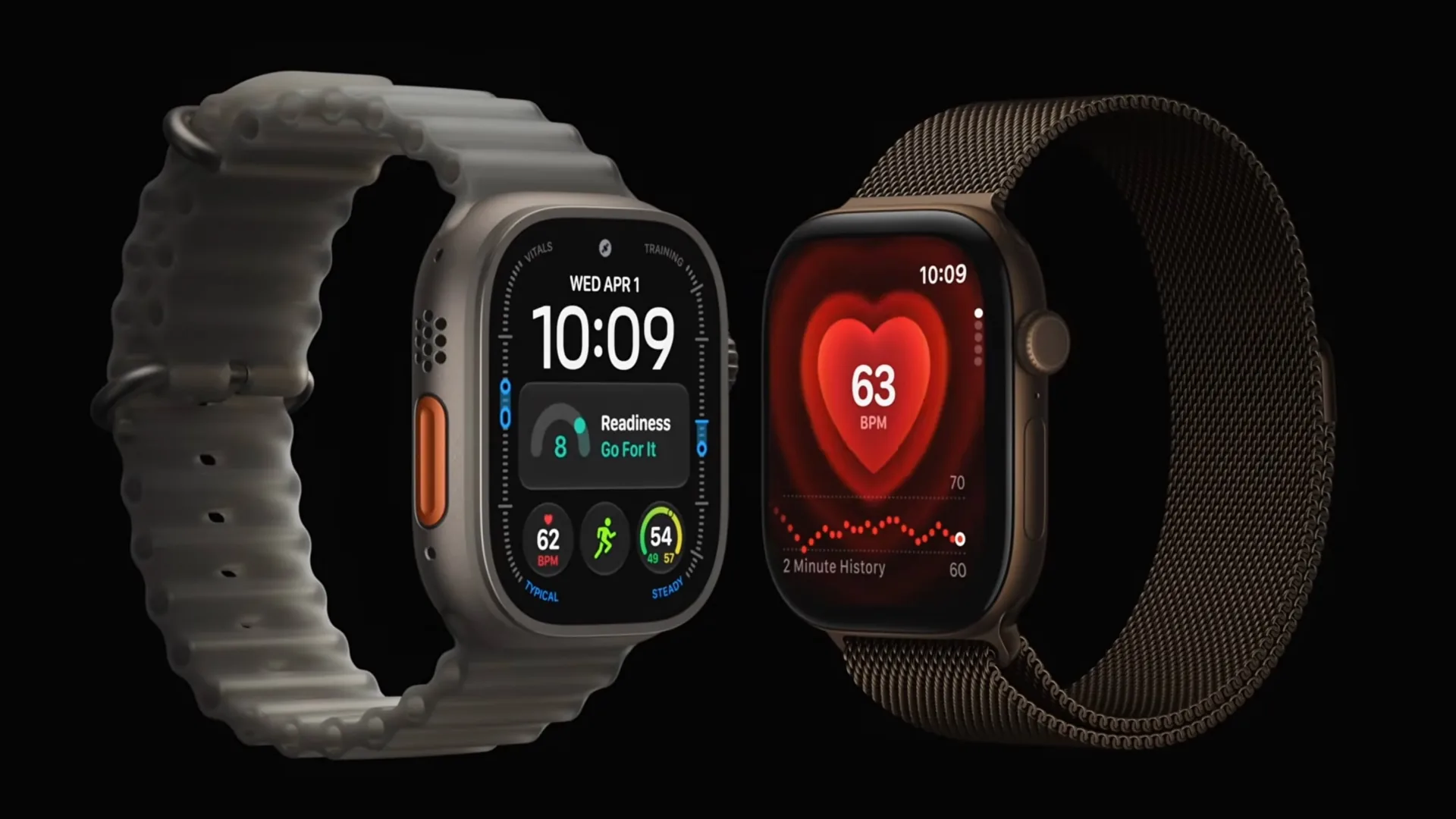
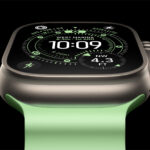
Apple wants to make the Apple Watch smarter with audio AI, but it is walking into one of the most sensitive questions in consumer technology which is how comfortable are people with a device that can listen around them?
The company has published a detailed support note explaining Audio Intelligence features for Apple Watch Series 12 and Apple Watch Ultra 4. The new tools include Sound Recognition, automatic Music Recognition with Shazam, Live Rewind and Siri Recap. According to Apple’s support page, Live Rewind can show a text snippet of what was said in the last 15 seconds when the user double-presses the Digital Crown, while Siri Recap can generate high-level summaries of conversations.
Apple is clearly trying to get ahead of the privacy backlash. It says the features are opt-in, raw audio is not recorded or stored, and audio is processed in a protected buffer inside the S11 chip’s Secure Exclave. Apple also says the operating system, apps, the user and Apple itself cannot access raw audio, and that saved Siri Recap and Live Rewind text snippets can be end-to-end encrypted when synced through iCloud.
Those technical protections are important, and Apple has earned more privacy trust than many of its rivals. But the social problem is different from the technical one. If someone wearing an Apple Watch can generate a summary of a conversation, even without storing the raw audio, the other people in that conversation may still feel recorded.
Apple says Live Rewind uses audible and visible signals when activated, including a chime and a full-display animation. Siri Recap can be scheduled by time or location and is not available to users under 13. For under-18 Child Accounts, Apple says access must be enabled by a parent or guardian. Those are sensible guardrails, but they may not completely remove the unease around ambient listening.
This is the same cultural wall that Meta has hit with smart glasses. The technology may be useful, but bystanders do not always know when they are being captured, analysed or remembered by someone else’s device. Apple is trying to avoid that comparison by saying there is no raw audio recording to hand over, forward or leak. Still, people may judge the feature by how it feels in a room, not only by how it works inside a chip.
The bigger point is that wearable AI is becoming intimate. Phones mostly wait in pockets or on tables. Watches sit on bodies all day. Glasses sit on faces. As AI moves into these devices, privacy will no longer be only about app permissions and cloud storage. It will also be about manners, consent and whether people trust the person wearing the device.
For Apple, Audio Intelligence could become a useful memory tool, especially for accessibility, meetings and everyday reminders. But if the company wants it to succeed, it will have to convince not only the wearer, but also everyone standing nearby.
Related Reading
More contextual TechBooky stories selected from tags, categories and article context.
Paul Femi Balo is the founder and publisher of TechBooky. He covers artificial intelligence, African technology, digital infrastructure, enterprise technology and the global digital economy.
We use cookies to ensure that we give you the best experience on our website. If you continue to use this site we will assume that you are happy with it.