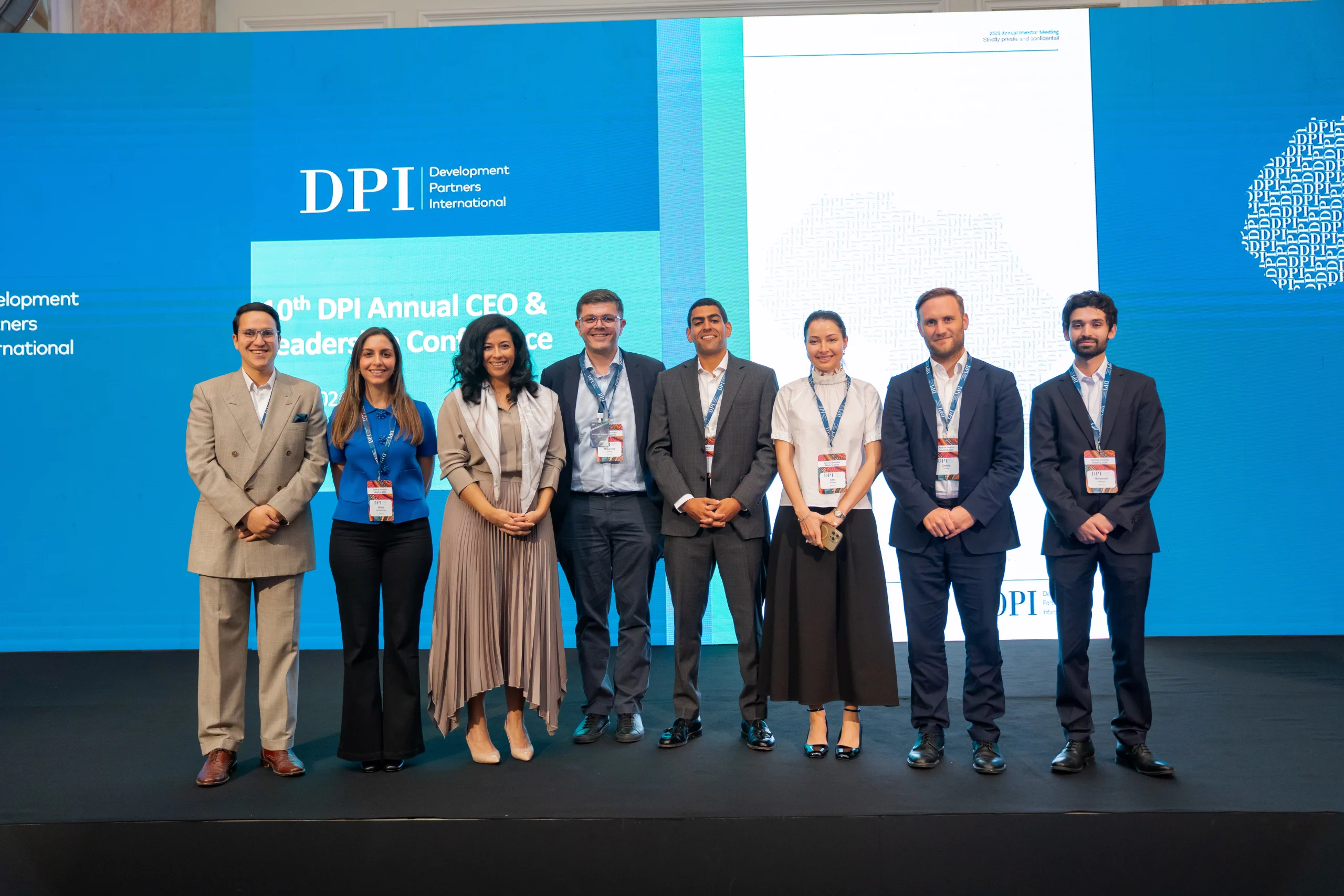
DPI Venture Capital has closed its Nclude Fund at more than $112 million, giving it a larger pool of capital to back fintech and businesses that build financial services into other products across Africa and the Middle East. The number that makes this close especially notable is where the money came from. Managing partner Ashley Lewis told TechCabal that 93% of commitments originated in Africa.
This is capital committed to an investment fund, not $112 million newly paid out to startups. Fund managers deploy commitments over time, and the final close does not show how much remains available for future deals. DPI says Nclude already holds a portfolio of 15 companies. It invests from seed through Series C, with individual cheques ranging from $500,000 to $10 million, according to a 26 October account of the close.
African venture capital has long depended on foreign institutions and development finance. A fund financed overwhelmingly by African investors suggests that financial institutions on the continent are willing to take a more direct stake in the growth of technology businesses. It may also give investors with local market knowledge a stronger voice in deciding which problems deserve patient capital.
That does not mean Africa’s funding gap is solved. One fund cannot replace the range of seed investors, banks, later-stage funds and public markets required to help businesses grow. The real test is whether local commitments can be repeated and whether they produce sustainable returns. TechBooky has reported on how headline funding totals can be concentrated in a few large companies, leaving early-stage founders with a harder search for backing.
Nclude remains focused on fintech and fintech-enabled businesses. That can mean a payments company, but it can also mean a property or healthcare platform that offers a financial product as part of its service. DPI’s latest account says the fund also considers businesses where AI and finance intersect. That is not a licence to invest in any AI startup. The financial-services component remains central to its mandate.
The fund began in Egypt and DPI took over advising it in 2025. At that point, DPI said Nclude had $105 million in assets under management and had invested more than $28 million across nine transactions. Those are historical figures, not fresh sums to add to the new $112 million close. The expanded mandate reaches beyond Egypt while retaining its financial inclusion focus.
Among its portfolio businesses is Paymob, whose regional payments expansion TechBooky covered recently. Companies like Paymob show why a regional fund may matter. Scaling financial infrastructure across borders requires regulatory work, partnerships and capital over several years, not simply a product launch.
For founders, the questions now are how much Nclude still has to deploy, which markets it will prioritise and whether its African backers will remain committed through a full investment cycle. The close is a meaningful financing signal. Its lasting impact will be measured by the businesses it helps build and the returns that persuade more local institutions to invest again.
Related Reading
More contextual TechBooky stories selected from tags, categories and article context.
Paul Femi Balo is the founder and publisher of TechBooky. He covers artificial intelligence, African technology, digital infrastructure, enterprise technology and the global digital economy.
We use cookies to ensure that we give you the best experience on our website. If you continue to use this site we will assume that you are happy with it.