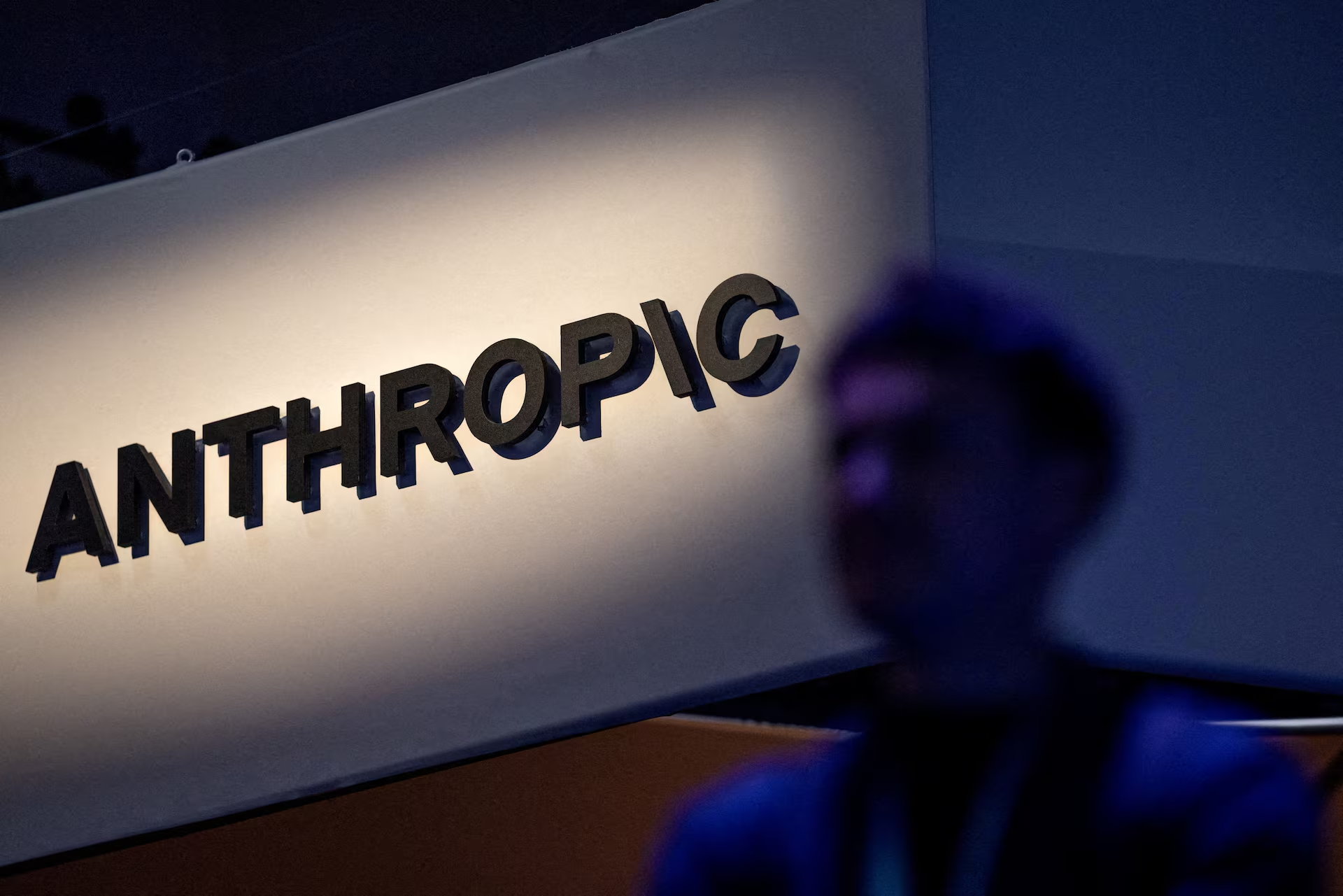
Anthropic has taken its clearest step towards the public market. The maker of Claude said on Monday, 26 October, that it had filed a public registration statement with the US Securities and Exchange Commission for a proposed initial public offering. It intends to list its Class A shares on the Nasdaq Global Select Market under the ticker ANT. The filing turns what had been a largely private debate about the economics of frontier AI into a question public investors can examine for themselves.
This is not the start of trading, nor has Anthropic announced an offer price. The company says the number of shares and the price range have not yet been determined, and the registration statement has not become effective. The IPO still depends on the remaining regulatory and market steps. Readers should therefore be wary of any headline that presents a valuation, proceeds or debut date as settled.
What changed today
Anthropic submitted a confidential draft S-1 in June. Confidential review let the company work through its disclosures before releasing them to the market. Today’s public filing is a different milestone because its IPO case is now open to scrutiny. TechBooky previously covered figures reported from confidential IPO papers. The public process gives investors a firmer basis for testing those earlier accounts against the company’s own disclosures.
The distinction matters because Anthropic has become one of the most prominent suppliers of AI models to businesses and developers. Demand for Claude can grow rapidly while the costs of training models, serving customers and reserving computing capacity grow alongside it. An IPO prospectus is where that tension should become legible. Investors will look beyond a headline revenue figure to gross margins, operating losses, cash flow, customer concentration and the terms of long-term infrastructure commitments.
For a software company, scaling usually means selling another copy of a product at a relatively modest incremental cost. Frontier AI is different. Each new model generation requires extensive research and computing resources, while popular services incur ongoing inference costs whenever customers use them. Falling prices across the industry can also make revenue growth less reassuring if the cost of serving that revenue remains high.
That does not mean Anthropic cannot build a durable business. It means the IPO should be judged on how efficiently it converts demand into cash after paying for the infrastructure that makes Claude useful. TechBooky’s earlier analysis of Anthropic’s public-market pitch considered the broader questions around AI spending and trust. The public filing brings those questions closer to a financial decision.
There is also a governance dimension. Anthropic is organised as a public benefit corporation, a status that has long been part of its argument that commercial development and AI safety can coexist. Prospective shareholders will have to assess how that mission works when public markets expect growth, disclosure and eventually reliable returns.
The immediate news is straightforward. Anthropic has filed publicly, chosen a prospective exchange and ticker, and begun the next stage of an IPO process. What the shares will cost, how much capital the company may raise and when trading might begin remain open questions. The prospectus and subsequent amendments, rather than private valuation talk, will determine how strong the investment case really is.
Related Reading
More contextual TechBooky stories selected from tags, categories and article context.
Paul Femi Balo is the founder and publisher of TechBooky. He covers artificial intelligence, African technology, digital infrastructure, enterprise technology and the global digital economy.
We use cookies to ensure that we give you the best experience on our website. If you continue to use this site we will assume that you are happy with it.