Apple has set its next major event for September 9, and the timing gives the company a chance to reset the iPhone story before another heavy AI hardware cycle begins.
Apple’s official events page now lists the theme as Surprise and shine, with the special event scheduled for September 9 at 10 a.m. PT. The event will stream on apple.com and the Apple TV app.
The official page does not name the products, as usual. But the September iPhone event is Apple’s most important hardware stage, and this year’s expectations are higher because the company is widely expected to show new iPhone 18 Pro models, Apple Watch updates and possibly its long-rumoured foldable iPhone.
The foldable question is the one that will pull the most attention. Samsung, Google and several Chinese phone makers have already spent years improving folding screens. Apple has waited, which is normal for the company, but the longer it waits, the more pressure builds around whether its first foldable will feel meaningfully different or simply late.
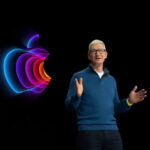
That pressure is tied to leadership as well. Reports say John Ternus is preparing to take a larger public role as Apple enters a new chapter, with Tim Cook’s long CEO era nearing transition. A major hardware launch would be the cleanest way to signal continuity and ambition at the same time.
Apple is also launching into a market shaped by AI. The company has improved Apple Intelligence, but it is still under pressure to show why its hardware ecosystem matters in an AI-first world. A foldable iPhone would not solve that by itself, but a larger screen could become useful for on-device AI, multitasking, image work, productivity and agentic workflows.
The event also arrives after a year in which Apple has faced questions around Siri, AI partnerships, regulatory pressure and slower visible innovation. We have already looked at the wider tension around Apple and OpenAI in the AI hardware race, and September 9 is another moment in that same story.
The company still has one major advantage: control. Apple controls the chip, operating system, device design, privacy architecture, App Store and services layer. If it decides to make a foldable device, it can build the experience across hardware and software in a way Android rivals often struggle to match.
But Apple also has less room for a half-step. Foldables are still expensive, fragile in perception and not yet mainstream for many buyers. If Apple enters, it must convince customers that the form factor is not just a bigger screen with a crease, but a better daily device.
September 9 will therefore be more than another iPhone event. It will test whether Apple can turn its usual patience into a visible advantage at a time when rivals are moving faster in AI, cameras and new device categories.
Related Reading
More contextual TechBooky stories selected from tags, categories and article context.
Paul Balo is the founder of TechBooky and a highly skilled wireless communications professional with a strong background in cloud computing, offering extensive experience in designing, implementing, and managing wireless communication systems.
We use cookies to ensure that we give you the best experience on our website. If you continue to use this site we will assume that you are happy with it.