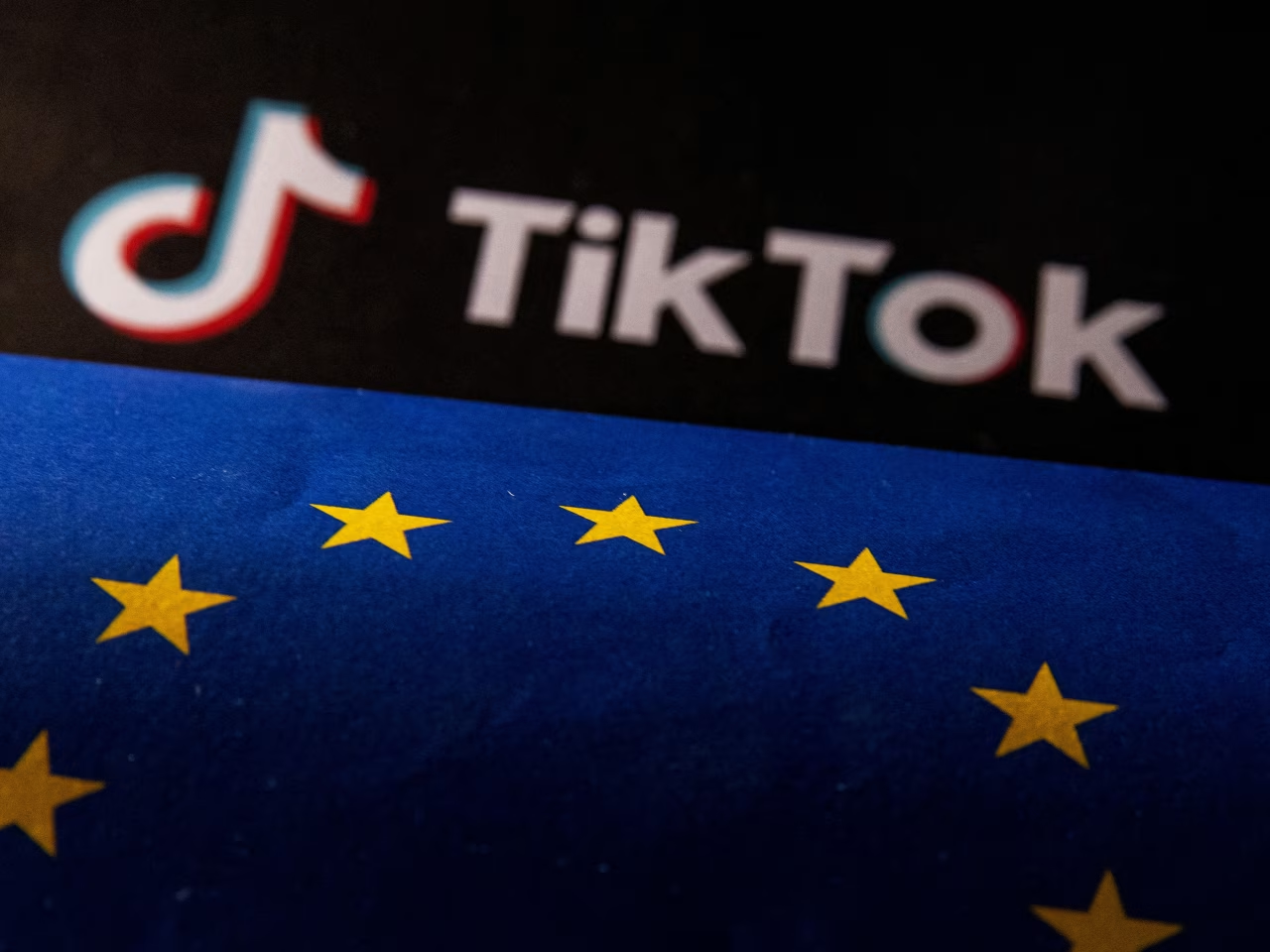
The European Commission has preliminarily found that TikTok’s For You feed may breach the Digital Services Act, putting the design of one of social media’s most influential recommendation systems under direct regulatory scrutiny. The finding, announced on 6 November, is not a final ruling or a fine. TikTok can respond before the Commission reaches a decision.
At issue is the way an apparently endless stream of personalised videos can pull users into harmful content loops. In its official announcement, the Commission said its investigation identified risks of “rabbit holes” involving material on mental health and body image. It is examining whether TikTok adequately assessed those risks and took effective steps to reduce them, particularly for younger users.
For You is not simply a list of accounts a person has chosen to follow. It learns from viewing behaviour, including what people watch, skip or revisit, and selects the next video accordingly. That makes it powerful for discovery and advertising, but it also means a short run of engagement with troubling material may shape what appears next. The Commission’s concern is about the system’s design and its possible effects, not a finding that every TikTok user has experienced harm.
The Digital Services Act places additional risk-management duties on very large online platforms. They must assess systemic risks associated with their services and put proportionate mitigations in place. Regulators are increasingly asking whether settings and warnings are enough when a platform’s central recommendation engine continues to steer attention. That distinction could matter well beyond TikTok, because personalised feeds are now common across social apps.
The case sits alongside a wider argument over how far governments should go in regulating social media design. TechBooky has reported on a separate California dispute involving TikTok and other platforms, although the EU procedure operates under different law and is at a different stage. Neither case should be treated as proof that a platform has already violated the rules at issue.
TikTok now has the opportunity to inspect the Commission’s case and submit a defence. A preliminary finding can be revised after that process. If the Commission ultimately confirms a breach, the DSA provides for remedies and potentially substantial penalties, but no such outcome has been decided here.
For users and creators, the immediate practical point is that the feed is still operating. For the industry, the more consequential question is whether regulators will demand changes to the ranking systems that make short-video services so compelling. A final decision could set a useful test of what meaningful protection against harmful recommendation loops actually looks like.
Related Reading
More contextual TechBooky stories selected from tags, categories and article context.
Paul Femi Balo is the founder and publisher of TechBooky. He covers artificial intelligence, African technology, digital infrastructure, enterprise technology and the global digital economy.
We use cookies to ensure that we give you the best experience on our website. If you continue to use this site we will assume that you are happy with it.