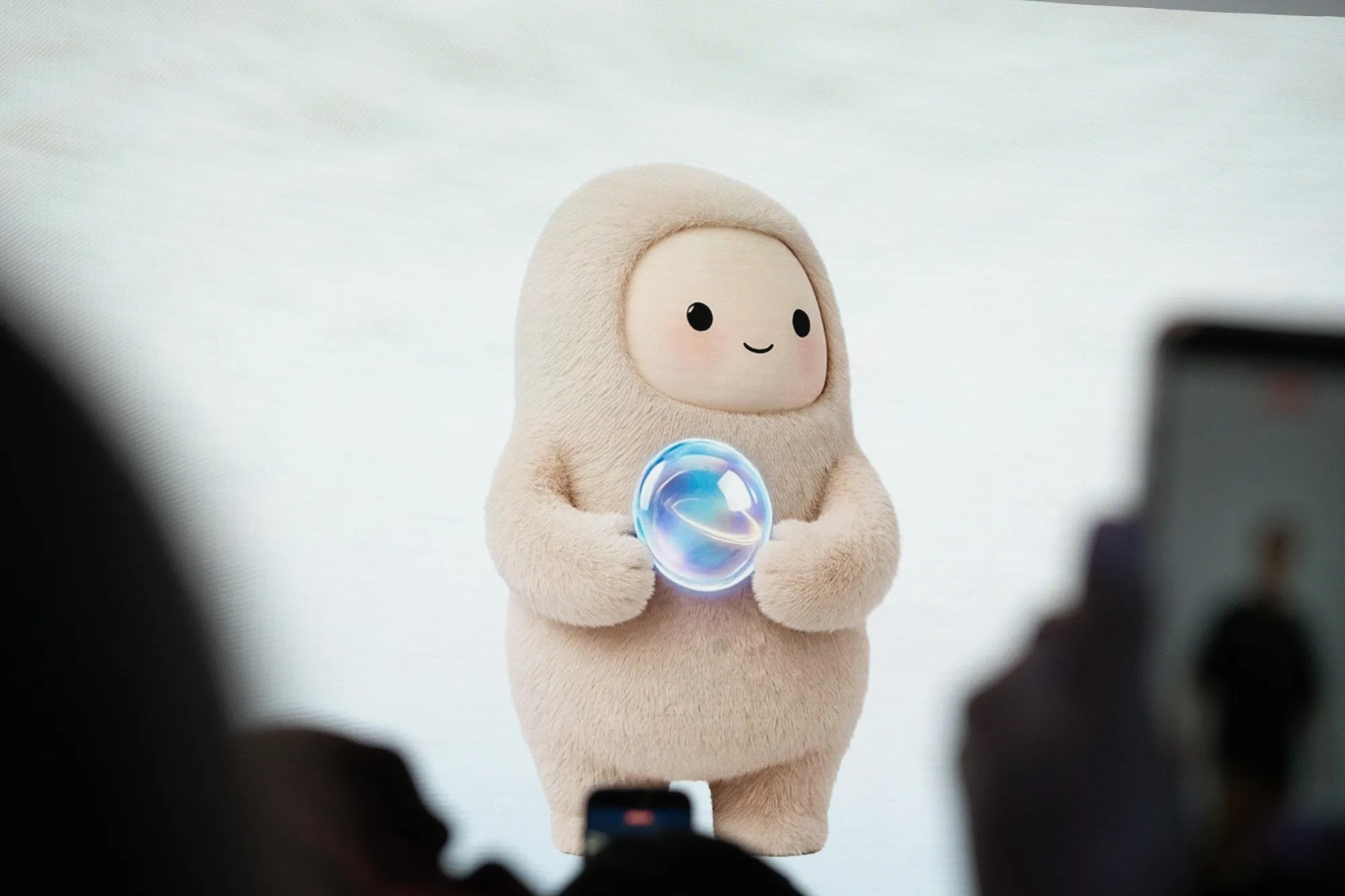
Meta is giving its Muse personal AI agent a voice and an animated face, moving the service beyond typed requests into real-time conversations. In a 5 November announcement, the company said voice and expressive avatars are rolling out in the Muse app in the United States, starting on mobile, the web and Mac.
Users can tap a phone icon to speak to Muse, interrupt its replies and continue a conversation without repeatedly composing prompts. The avatar reacts as it listens and talks, with facial expressions and gestures designed to follow the exchange. Meta offers three presentation choices: voice alone, an avatar beside the conversation, or a full-screen face-to-face view.
The change matters because Muse is meant to be an agent that carries out tasks, not merely a chatbot that answers questions. Speaking while walking, cooking or travelling could make it easier to give the agent a rough instruction, refine it aloud and let it work in the background. Meta suggests uses such as planning a trip, rehearsing an interview and talking through a presentation.
Meta says users can choose from hundreds of voices and change the style of Muse’s speech. Its Realtime Voice and Realtime Avatar technology is intended to keep the exchange fluid enough for interruptions and immediate responses. Those are company claims about the experience, not evidence that the agent reliably completes every task it is asked to handle.
The feature builds on the Muse launch in September, when Meta presented it as a personal agent able to work across apps on a user’s behalf. TechBooky previously examined the trust challenge facing Muse, including the permissions and personal information an agent may need to do useful work. A voice interface could lower the effort needed to delegate tasks, but it also makes clear controls and records of the agent’s actions more important.
Meta has already pushed Muse beyond its initial market, launching the agent in Japan last month. That wider availability should not be confused with this feature’s launch: Meta says the voice and avatar rollout begins in the US. It has not announced a timetable for other countries.
Meta says voice conversations will come later to its AI Glasses and Muse Charm. It has not given release dates for either expansion. If the feature works consistently, moving between a phone, computer and wearable could make Muse feel less like a separate app and more like an assistant available throughout the day.
For now, the important test is more practical than whether the avatar looks lifelike. Users need to know when Muse is listening, what it retains, when it acts on their behalf and how easily they can correct it. The new voice and avatar controls make the agent easier to approach; whether they make it more useful will depend on the quality and transparency of the work it actually performs.
Related Reading
More contextual TechBooky stories selected from tags, categories and article context.
Paul Femi Balo is the founder and publisher of TechBooky. He covers artificial intelligence, African technology, digital infrastructure, enterprise technology and the global digital economy.
We use cookies to ensure that we give you the best experience on our website. If you continue to use this site we will assume that you are happy with it.