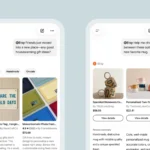
TikTok wants to make the distance between seeing a product and buying it much shorter. The company is testing a Shopping Assistant and a Buy Direct checkout that let shoppers ask questions about items, move toward a purchase and, in some cases, pay without the usual sequence of redirects and forms. These are eligibility-based tests, not a general launch for every TikTok user or merchant.
Shopping Assistant works around an advertisement or product page in TikTok’s in-app browser. A customer can ask about a product before committing to buy, and the assistant draws on information supplied by the merchant. The conversation can continue as the shopper moves to the merchant’s website inside TikTok’s browser. That is a more useful pitch than simply showing another ad; a buyer who needs to know sizing, compatibility or delivery details can get an answer while interest is still high.
Buy Direct tackles the final step. TikTok says it can offer a native checkout with a saved payment method and address, plus order tracking within the app. The brand remains the merchant of record, which matters for fulfilment and the customer relationship. The company says the system relies on Universal Commerce Protocol integrations involving partners including Shopify, Salesforce, Stripe and Shoplazza. Merchants will need to meet the technical and eligibility requirements before taking part.
The move reflects a broader shift in online shopping. Platforms no longer want to stop at discovering a product; they want the purchase to happen as close to discovery as possible. Google has been testing a similar collapse of search and checkout in India. For TikTok, the advantage is the moment a video or ad sparks interest. The commercial question is whether a helpful answer and a shorter payment flow will raise completed orders without leaving buyers uneasy about automated recommendations.
TikTok also introduced a Lead Agent for businesses whose sales take more time. It can hold a conversation to qualify a prospective customer before a human sales team takes over. That is a different use case from a one-click purchase, but it rests on the same idea of using AI to keep a customer moving instead of dropping them into a static form.
There are limits to what is known so far. TikTok has not given a broad rollout date, a complete list of eligible markets or evidence that these tools improve conversion at scale. Merchants will also want clarity on fees, customer data and how much control they retain over the answers an assistant gives. For now, this is a potentially consequential shopping experiment, not a finished replacement for the traditional online store.
Related Reading
More contextual TechBooky stories selected from tags, categories and article context.
Paul Balo is the founder of TechBooky and a highly skilled wireless communications professional with a strong background in cloud computing, offering extensive experience in designing, implementing, and managing wireless communication systems.
We use cookies to ensure that we give you the best experience on our website. If you continue to use this site we will assume that you are happy with it.