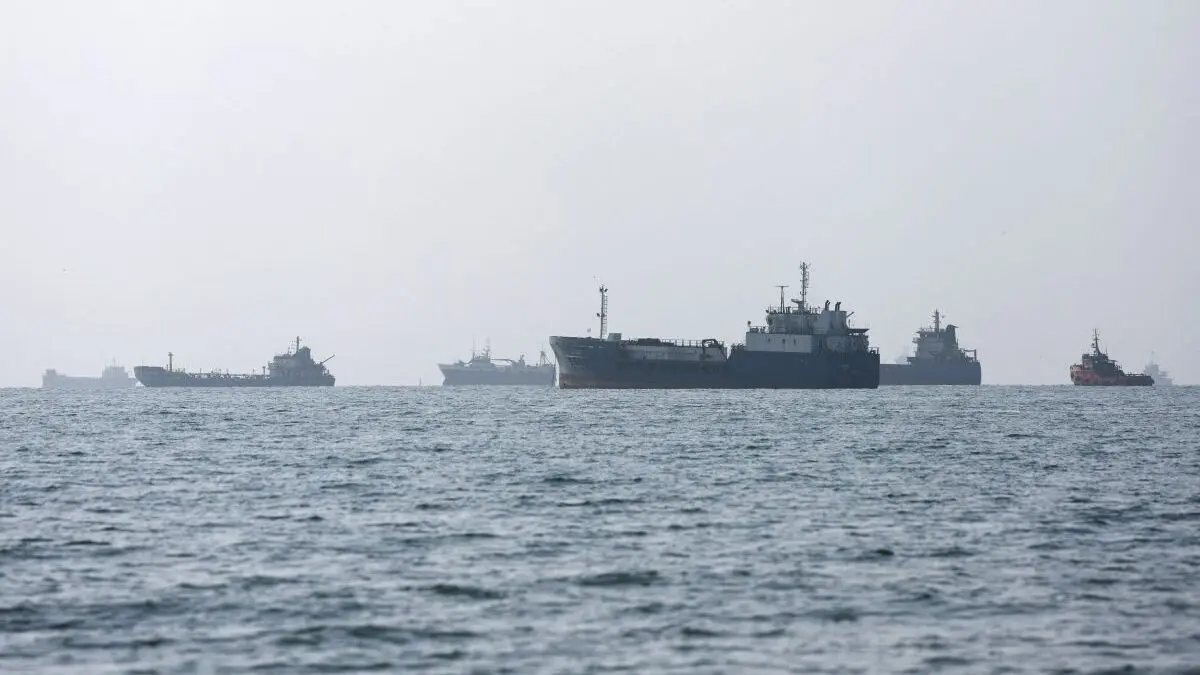
US officials are investigating a reported wave of cyberattacks against energy and chemical vessels, with as many as 50 ships believed to have been targeted in recent weeks. The Wall Street Journal reported that investigators are examining whether Iranian hackers were involved. That is a suspicion, not a confirmed attribution, and the precise number of affected vessels and the extent of the damage have not been independently established.
The reported targets include ships carrying oil, liquefied petroleum gas and chemical products. Maritime cyber incidents attract attention because vessels depend on connected communications, navigation, cargo and maintenance systems while often operating far from immediate technical support. A compromise of one system does not automatically mean attackers can steer a ship or cause an explosion, and the available reporting does not establish such outcomes.
The Journal’s account cites US officials and people familiar with the investigation. TechCrunch also reported on the claims and noted that the FBI had not publicly commented. The attacks are said to have affected vessels in Asian and European waters, but neither a full victim list nor a common technical cause has been made public. Suggestions that a Fortinet flaw may have played a part should therefore be treated as an investigative lead, not an established explanation for every incident.
Attribution is particularly difficult at sea. Investigators must separate an intrusion into a shipping company’s corporate network from access to shipboard systems, and then establish who controlled the infrastructure used in the attack. Political tensions may raise suspicions, but they do not substitute for technical evidence. Until authorities or affected operators disclose more, the strongest defensible description is that a significant cluster of vessel incidents is under investigation.
Even limited disruption can have costly consequences. Delays in communicating with a vessel, verifying cargo data or restoring a compromised system can affect schedules, insurance and port operations. Shipping firms also share suppliers and remote-access tools, which can allow one weakness to put multiple vessels at risk if it is not contained.
Operators should review remote access, enforce multifactor authentication, separate business and operational technology networks, maintain offline recovery plans and ensure crews know how to report anomalous system behaviour. Those steps are prudent regardless of who is ultimately found responsible. The new tanker reports follow broader warnings about maritime infrastructure, including recent attacks on US port systems covered by TechBooky, although the two stories should not be conflated.
The investigation may yet clarify the number of ships affected, the entry point and the perpetrator. For now, the public evidence supports a serious reported maritime cyber threat and an open attribution question, not a definitive claim of Iranian responsibility.
Related Reading
More contextual TechBooky stories selected from tags, categories and article context.
Paul Femi Balo is the founder and publisher of TechBooky. He covers artificial intelligence, African technology, digital infrastructure, enterprise technology and the global digital economy.
We use cookies to ensure that we give you the best experience on our website. If you continue to use this site we will assume that you are happy with it.