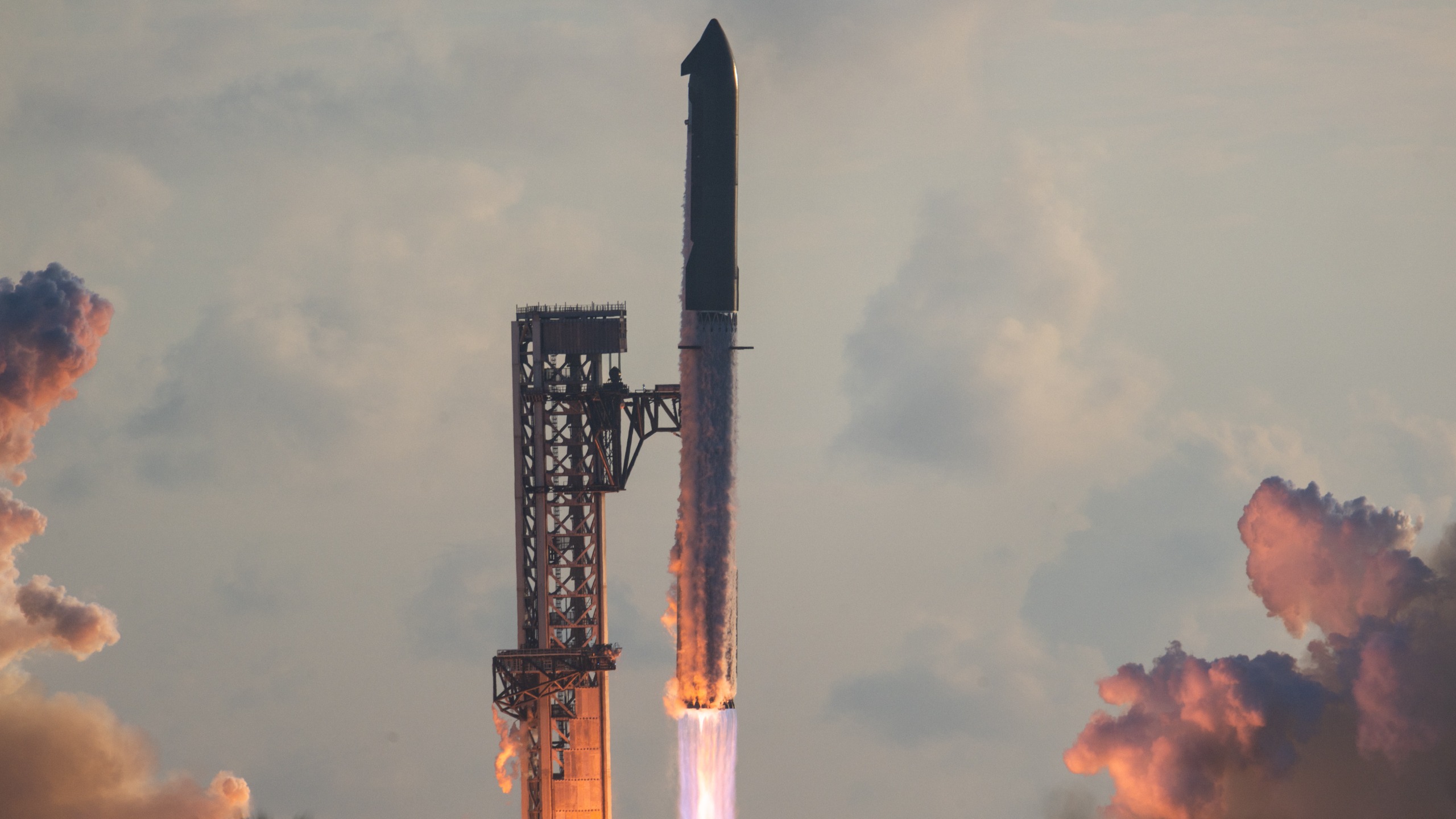
SpaceX has put Starship into orbit for the first time, a milestone the company has pursued through years of test flights. Flight 14 did not run the full mission as planned, however. An engine problem during ascent prompted the team to bring the spacecraft down after nearly two orbits rather than keep it flying for roughly ten hours.
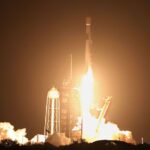
The rocket lifted off from Starbase, Texas, on Monday, September 28. SpaceX had planned an orbital flight at about 275 kilometres above Earth, the deployment of 26 Starlink V3 satellites and a controlled splashdown in the Pacific Ocean west of Chile. Earlier Starship tests had followed suborbital paths. Reaching orbit changes the nature of the programme because the spacecraft must also demonstrate that it can return safely from an orbital trajectory.
According to The Associated Press, Starship reached its intended orbit and travelled at orbital speed before flight controllers shortened the mission. SpaceX said the decision was taken out of caution following the engine trouble. The ship subsequently splashed down in the northern Pacific. That is a substantial technical success, but it is not the same as completing every objective on the original flight plan.
The early return also means readers should be cautious about treating this as a clean demonstration of long-duration operations. Before launch, SpaceX described a roughly six-orbit mission that would test time in space, a deorbit burn and the heat shield during reentry. Engineers will now have to examine what caused the engine issue and what the shortened flight did and did not prove.
This was the follow-through to the orbital attempt we previewed earlier this month. The delay from the earlier target date matters less than the result. Starship has crossed the orbital threshold, while its reliability and repeatability remain open questions.
The implications extend beyond rocket enthusiasts. SpaceX is designing Starship to carry larger satellite payloads, support NASA’s lunar ambitions and eventually operate as a rapidly reusable vehicle. An orbital insertion is necessary for those plans, but one shortened test cannot establish that the system is ready for routine service. The next flight will be watched for evidence that SpaceX can solve the engine problem and complete the mission it originally set out to fly.
Related Reading
More contextual TechBooky stories selected from tags, categories and article context.
Paul Balo is the founder of TechBooky and a highly skilled wireless communications professional with a strong background in cloud computing, offering extensive experience in designing, implementing, and managing wireless communication systems.
We use cookies to ensure that we give you the best experience on our website. If you continue to use this site we will assume that you are happy with it.