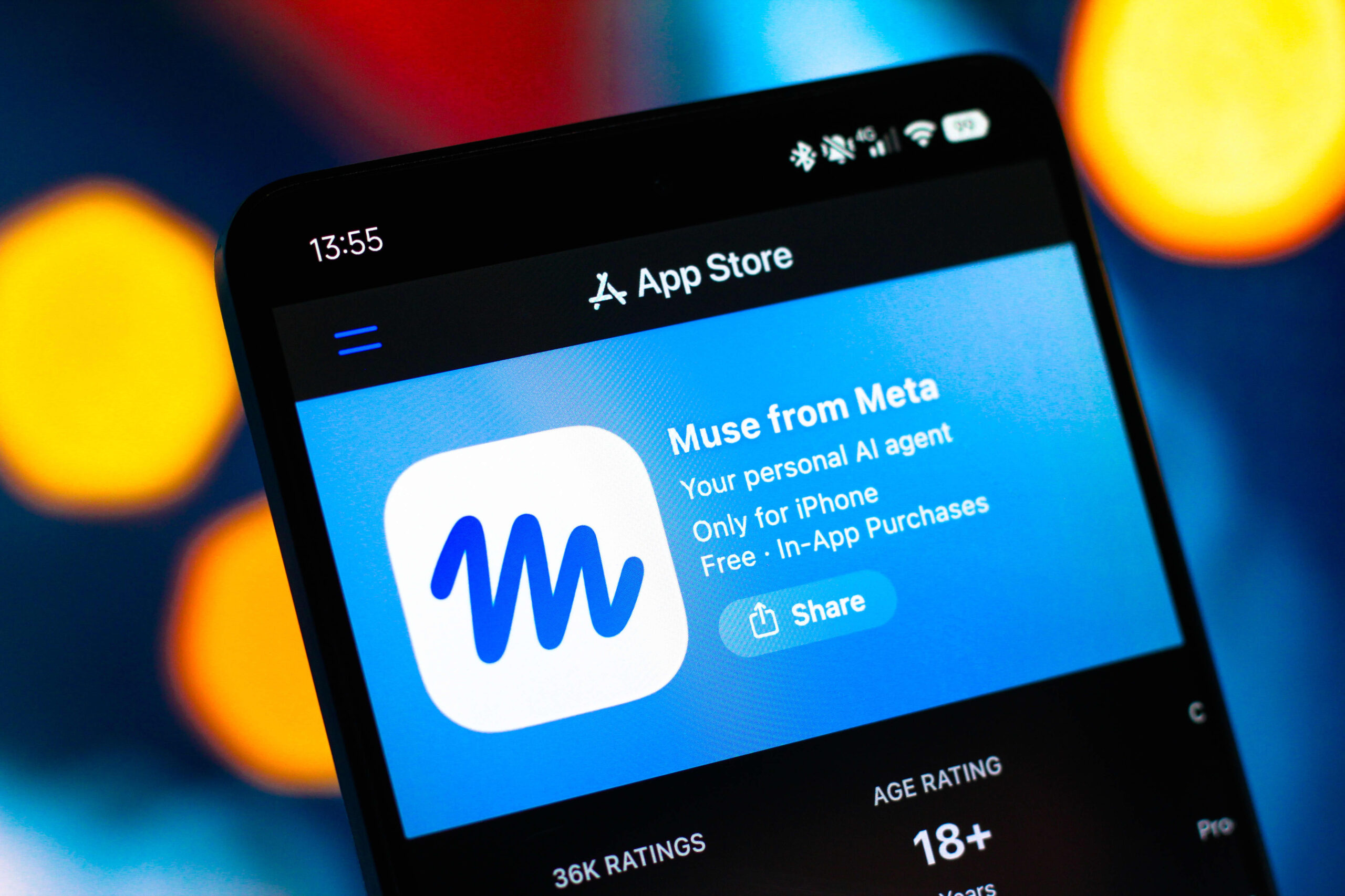
Meta is giving small businesses a version of its Muse AI agent that can work across the tools they already use to sell, advertise and manage their finances. The appeal is easy to see for an owner who spends the day switching between customer messages, a storefront, design software and a spreadsheet. The harder question is how much of that work a business is comfortable handing to an agent.
In its September 29 announcement, Meta said Muse for Small Business can connect to Facebook Pages, Instagram professional accounts and ad accounts. It can also draw context from services including Shopify, Stripe, Intuit QuickBooks, Canva, Asana, Slack and Zoom. A shop owner could ask it to examine sales and campaigns, draft a growth plan or flag expenses that deserve a closer look.
Those examples point to a different kind of business assistant. Rather than answer a question in isolation, Muse is meant to work from the company’s own information and propose the next step. Meta says it can draft campaign material, surface emails that need a response and offer suggestions without waiting for a fresh prompt. It also supports custom connectors for services outside its current list.
Meta says nothing will be published, sent or paid for without the user’s approval. That is an important boundary when an agent can see advertising accounts, customer records and payment tools. A wrong answer in a chat is annoying; an incorrect public offer, a message to a customer or an unintended charge is a business problem. Owners will still need to check what Muse proposes and understand which connected systems it can read.
The announcement is also part of a larger shift at Meta. The company recently set up an enterprise AI platform built around Muse and other business tools. That effort targets organisations with more complex technology needs. Muse for Small Business takes the same broader ambition down to people who may not have an IT team or time to build their own integrations.
For a small retailer, useful AI is less about a model’s benchmark score than whether it can reconcile a sales question with the actual storefront, explain what changed in advertising results and prepare something worth reviewing. Meta’s long relationship with merchants on Facebook and Instagram gives it a starting point. Whether owners trust one assistant with several connected accounts will depend on reliability, controls and a clear understanding of where their information goes.
Meta says most common Muse use remains free, with paid subscription plans for people who need more. It has not provided a simple universal price for every small-business workflow in the announcement, so owners should check the plan and connector availability offered to their accounts. The company says more skills and integrations are coming.
The product is available through Muse, which Meta introduced earlier in September in the United States and Canada. Meta has not announced a wider country-by-country timetable for these small-business features. That limits the immediate relevance for businesses elsewhere, including much of Africa, but the direction is clear. Meta wants its AI to move from helping merchants reach customers to helping run the work behind those conversations.
Related Reading
More contextual TechBooky stories selected from tags, categories and article context.
Paul Balo is the founder of TechBooky and a highly skilled wireless communications professional with a strong background in cloud computing, offering extensive experience in designing, implementing, and managing wireless communication systems.
We use cookies to ensure that we give you the best experience on our website. If you continue to use this site we will assume that you are happy with it.