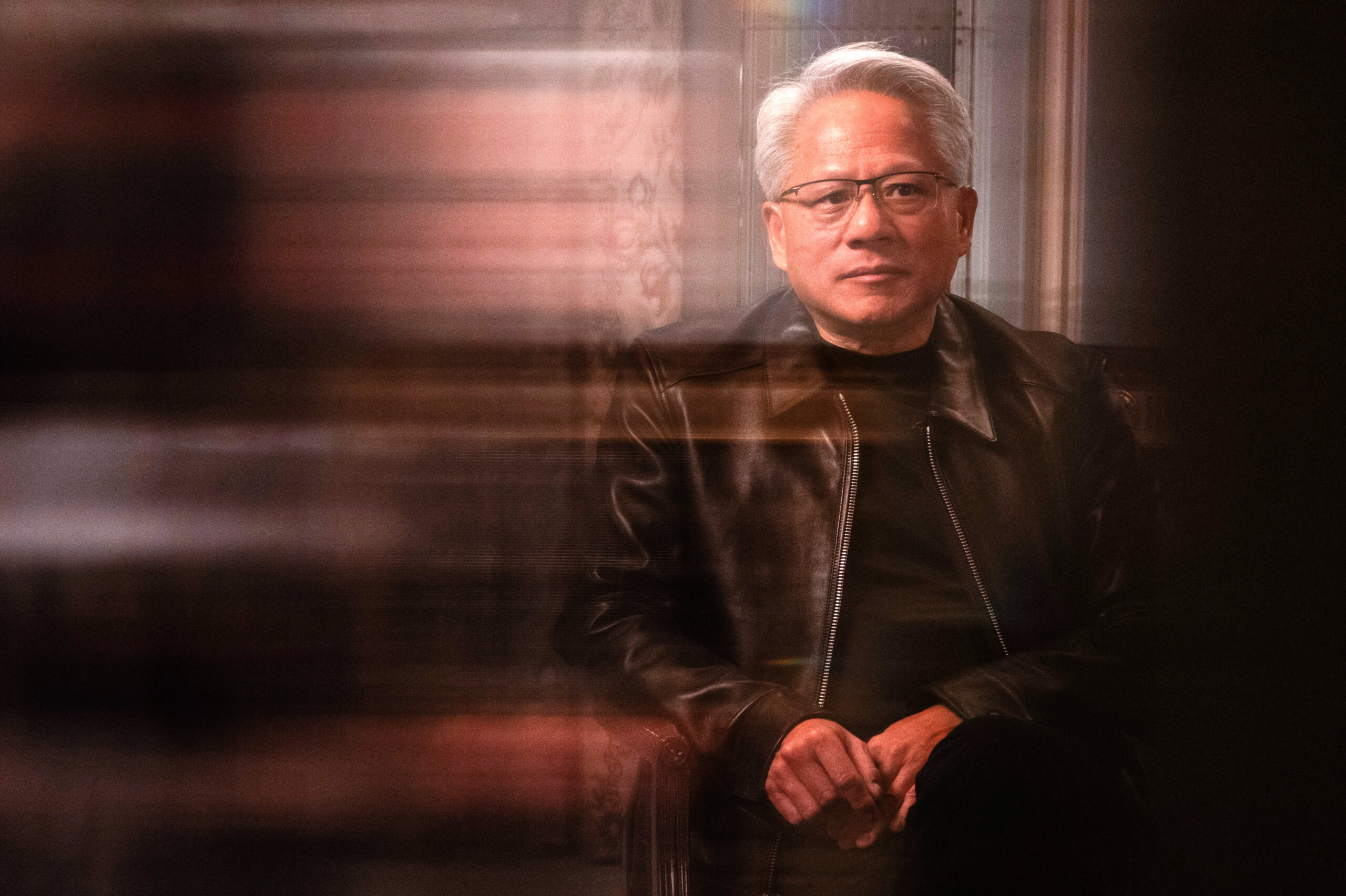
Jensen Huang has agreed to appear before three US House committees on 1 December for a closed-door, transcribed interview about Nvidia’s security controls and questions surrounding access to advanced AI chips. Nvidia general counsel Tim Teter has agreed to a separate interview on 2 December, the committees announced on Tuesday. The confirmed dates turn a request for answers into a scheduled stage of congressional scrutiny.
The joint statement came from the chairs of the House Foreign Affairs Committee, the House Select Committee on the Chinese Communist Party and the House Intelligence Committee. They said both men had agreed voluntarily. These are transcribed interviews, not an announced public hearing, and the committees have not published testimony or findings.
Lawmakers are seeking information about Nvidia’s safeguards against foreign intelligence risks and the movement of advanced chips through customers and data-centre operators. Earlier committee letters raised questions about the company’s dealings with Singapore-based Megaspeed International and reporting about its former executive Alice Huang. The committees’ concerns are allegations and lines of inquiry, not proof that Jensen Huang, Nvidia or the customer violated export rules.
The distinction is essential because Nvidia’s chips are central to the AI industry’s computing build-out. If US-made processors can be accessed indirectly through third-country data centres, export controls based only on where hardware is shipped may be less effective. The US Commerce Department has now moved to address some remote-computing arrangements, as TechBooky reported. That policy change is separate from any conclusion about Nvidia’s conduct.
Teter’s appearance matters because a company’s general counsel can speak to its legal advice, compliance systems and response to government inquiries. Huang, as Nvidia’s former chief executive, can be questioned about decisions and relationships during his tenure. What either man says will not be known publicly unless the committees release a transcript or account of the interviews.
Huang stepped down from Nvidia earlier this month amid the controversy. The board has begun an independent review, and TechBooky has covered a report that directors are not currently considering his return as chief executive. The congressional interviews do not decide the board’s succession process, nor do they resolve the questions under review.
For investors and Nvidia customers, the practical concern is whether the company can demonstrate robust controls without disrupting the legitimate global market for its processors. Compliance requires knowing who ultimately controls a customer, where systems are installed and how rented computing power can be accessed. Those questions extend beyond one executive or one data-centre operator.
The House committee chairs have said they want to examine the risk of a national-security breach. That characterisation reflects their stated concern, not an established finding. Nvidia and Huang should have the opportunity to respond to specific questions, and any future report should be judged against documentary evidence rather than speculation about private relationships.
The next concrete dates are 1 and 2 December. Until the interviews take place and evidence is released, the news is that the former chief executive and Nvidia’s top lawyer have agreed to answer lawmakers’ questions. It is not yet a conclusion about what happened.
Related Reading
More contextual TechBooky stories selected from tags, categories and article context.
Paul Femi Balo is the founder and publisher of TechBooky. He covers artificial intelligence, African technology, digital infrastructure, enterprise technology and the global digital economy.
We use cookies to ensure that we give you the best experience on our website. If you continue to use this site we will assume that you are happy with it.