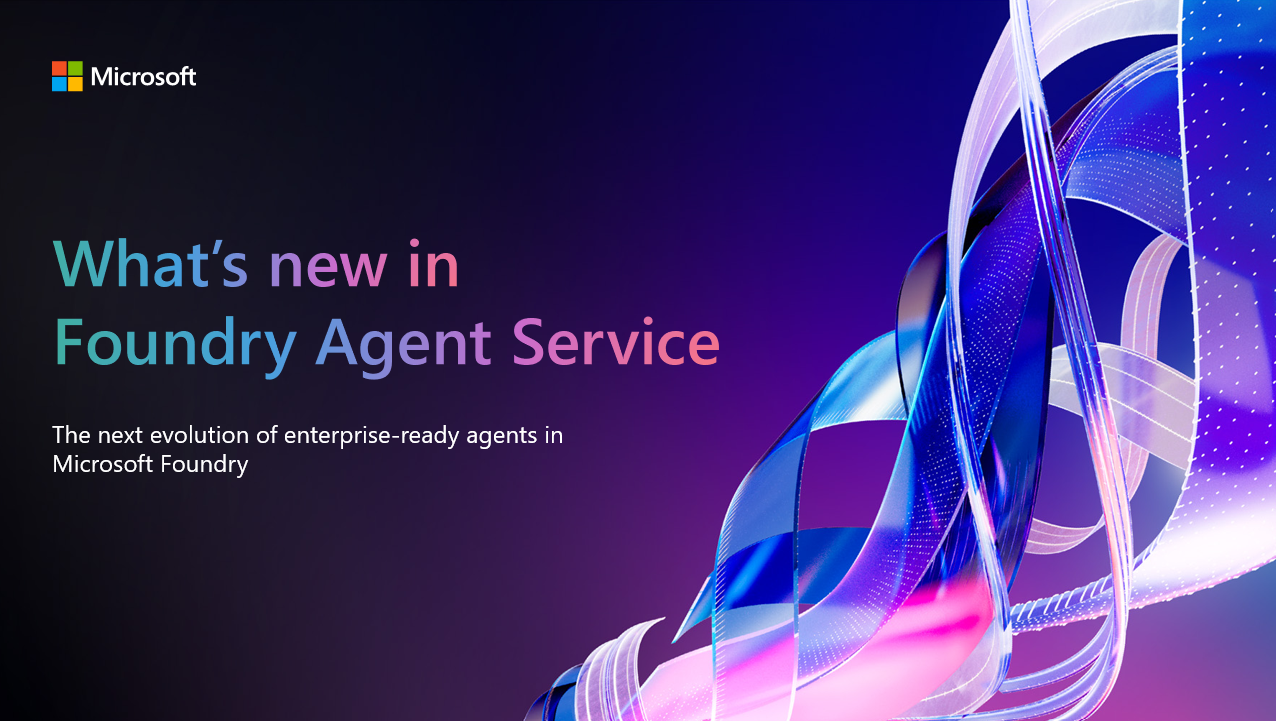
Microsoft is making its Browser Automation tool in Foundry Agent Service generally available, giving AI agents managed cloud browsers for tasks that still require a website rather than an API. Unveiled in its Ignite 2026 updates on 18 November, the tool is aimed at the internal portals, vendor systems and older applications on which much routine business work still depends.
The announcement is a practical step in the agent debate. Companies have spent heavily on models that can describe what should happen next. Letting an agent actually enter information into a web application brings a different set of demands, including authentication, auditability and a way for a person to take control when the workflow becomes sensitive or uncertain.
According to Microsoft’s developer announcement, the generally available tool uses isolated browser sessions powered by Azure Playwright Workspaces. It supports batched actions, live viewing, human takeover and session recording. Agents can navigate pages, read content, click controls, complete forms and capture screenshots as part of a larger workflow.
Other capabilities remain in preview rather than general release. These include access to private websites through virtual network integration, customer-managed browser proxies and additional sign-in tools. That distinction matters for organisations with sensitive systems. Availability of the core browser tool does not mean every security or networking option is production-ready for every customer.
Microsoft illustrates the system with an invoice process spanning several applications. An agent can check an invoice against rules, flag anomalies in a spreadsheet and enter approved information into an expense portal. In that scenario, the browser is the bridge between software that was not designed to work together.
The same capability also raises familiar risks. A browser agent may encounter misleading page content, unexpected prompts or an action that should require human judgement. Isolated sessions and recordings make those activities easier to inspect, but companies will still need permissions, approval steps and testing appropriate to the task.
TechBooky has already reported Microsoft’s tighter boundaries for Windows AI agents. The Foundry announcement is the enterprise-side counterpart. It shows how the company wants agents to move from answering questions to completing web-based work while remaining visible to administrators.
Related Reading
More contextual TechBooky stories selected from tags, categories and article context.
We use cookies to ensure that we give you the best experience on our website. If you continue to use this site we will assume that you are happy with it.