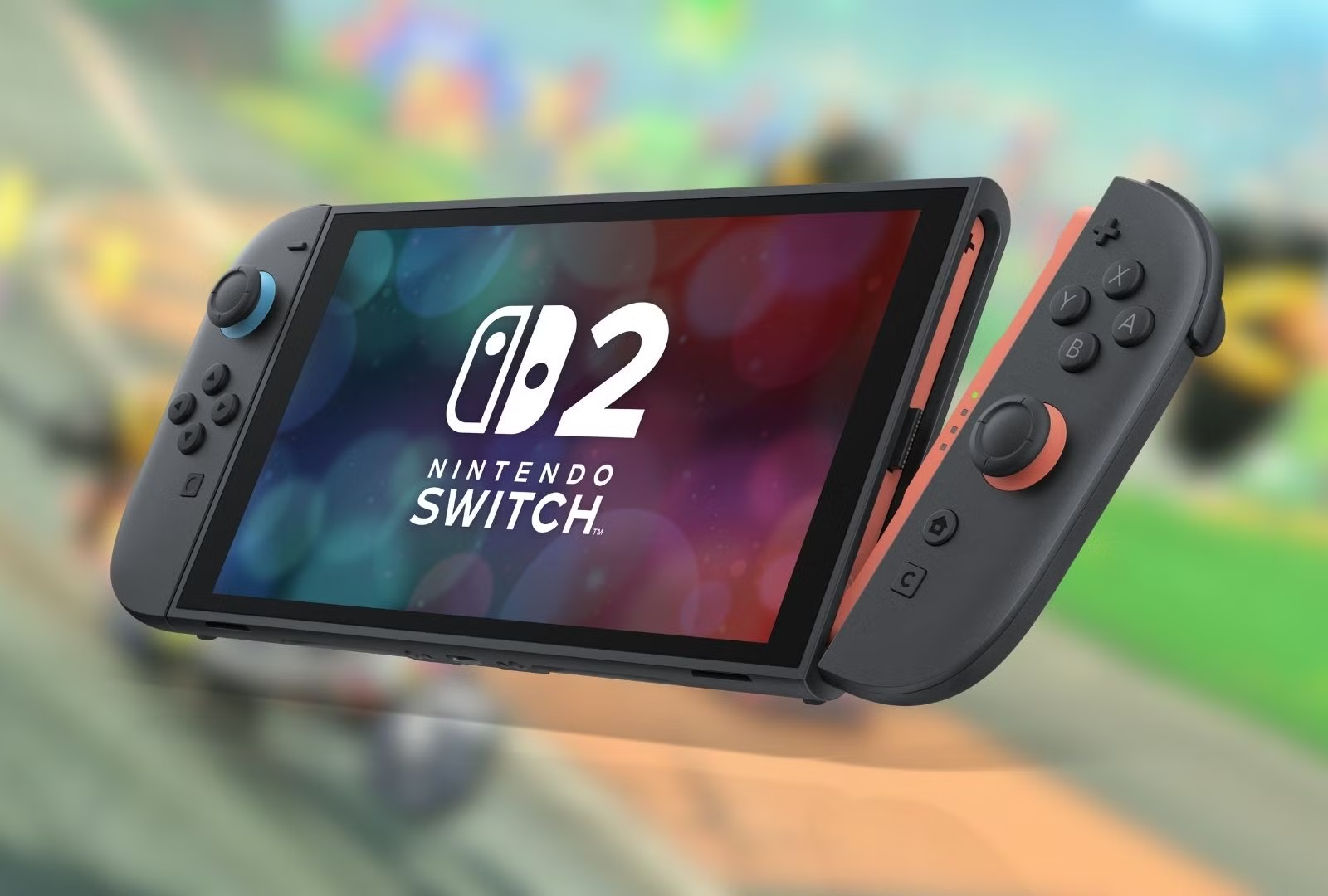
Nintendo’s latest results tell two stories at once. Revenue fell 12.1% in the six months to September 2026 as Switch 2 hardware sales slowed from the launch-year comparison. Yet operating profit rose 49.1% to 216.5 billion yen, helped by a richer mix of software sales and a US tariff refund recorded in the first quarter.
The figures in Nintendo’s six-month earnings release put net sales at 966.0 billion yen, down from 1.10 trillion yen a year earlier. Profit attributable to shareholders rose 11% to 220.9 billion yen. The distinction matters because a headline about falling sales should not be mistaken for a fall in first-half profit.
Nintendo sold 6.49 million Switch 2 consoles during April to September, alongside 24.49 million Switch 2 software copies. It said games released earlier, including Mario Kart World and Pokemon Pokopia, continued to sell, while Splatoon Raiders and Fire Emblem: Fortune’s Weave contributed during the half. The original Switch added 1.27 million hardware units and 65.73 million software sales.
Digital sales rose 60.5% to 249.6 billion yen, an important shift because downloadable games can support stronger margins than a hardware-heavy sales mix. Nintendo also reported a 87.9% rise in intellectual property-related sales to 62.7 billion yen, helped by interest in The Super Mario Galaxy Movie.
The memory-chip squeeze still matters. Switch 2’s component costs have been under scrutiny as AI infrastructure demand pushes up memory prices. Nintendo’s latest filing does not quantify a fresh hit to first-half earnings from memory, so it would be misleading to describe the reported profit growth as a loss caused by chips. The pressure is a forward-looking margin risk, especially if console prices rise or Nintendo absorbs more of the cost.
Nintendo left its full-year forecast unchanged. It expects 2.05 trillion yen in sales and 370 billion yen in operating profit for the year to March 2027, though it projects a 26.9% drop in profit attributable to shareholders to 310 billion yen. Its holiday games slate and hardware demand will be the next test of whether the strong software mix can endure. TechBooky previously covered Nintendo’s higher Switch 2 sales forecast for the preceding fiscal year, a useful benchmark for this year’s tougher comparison.
Related Reading
More contextual TechBooky stories selected from tags, categories and article context.
Paul Femi Balo is the founder and publisher of TechBooky. He covers artificial intelligence, African technology, digital infrastructure, enterprise technology and the global digital economy.
We use cookies to ensure that we give you the best experience on our website. If you continue to use this site we will assume that you are happy with it.