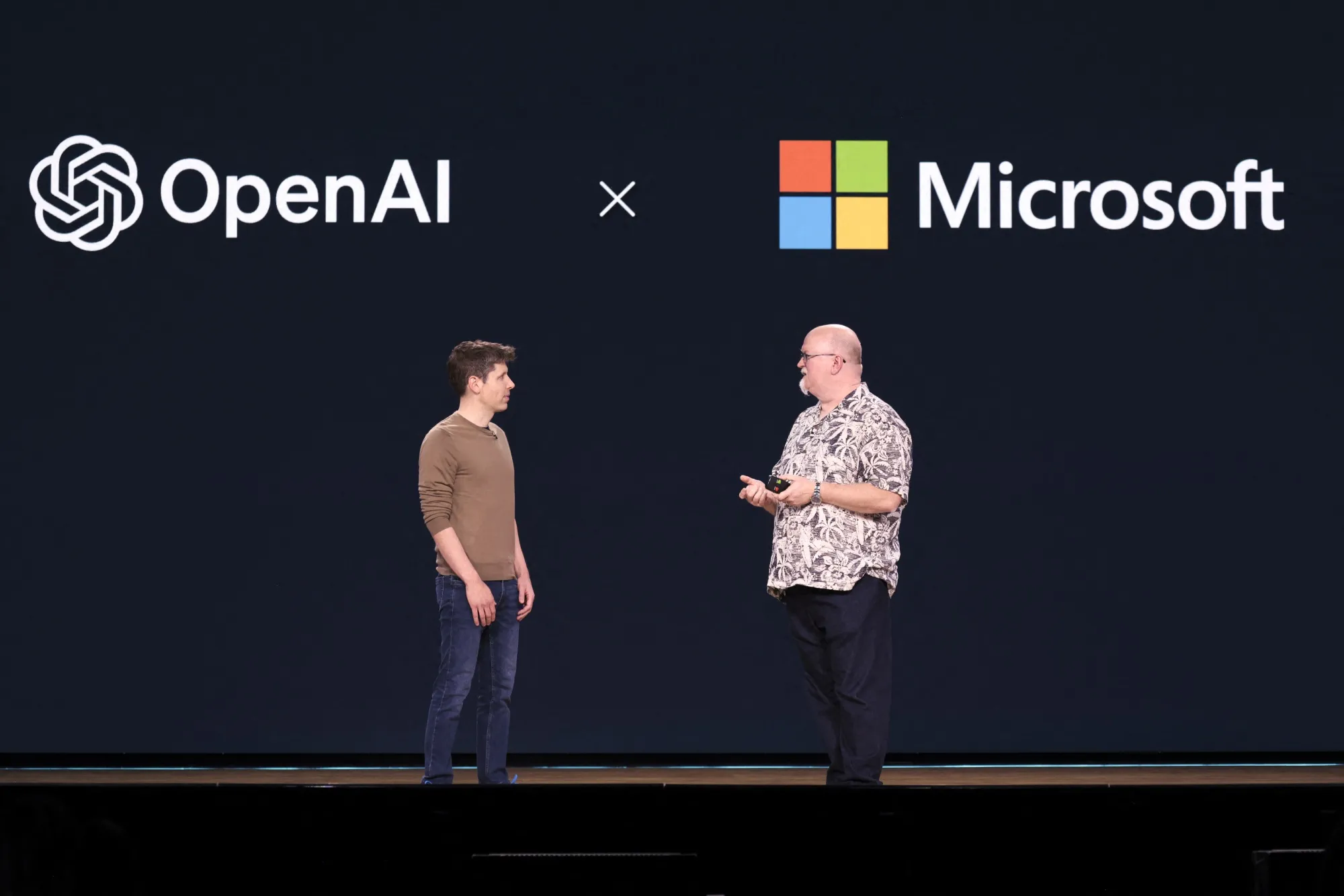
Unsealed documents from The New York Times copyright lawsuit have revealed how sharply OpenAI and Microsoft executives understood the danger that artificial intelligence posed to the publishing industry, even while their companies raced to build products trained on material drawn from the open web.
The documents describe an internal fear of an AI publishing doom loop. If chatbots and answer engines take traffic away from news sites, publishers earn less money, produce less original reporting and eventually leave the web with less reliable material for future AI systems to learn from. In other words, the technology could weaken the information supply on which it depends.
One Microsoft Applied Science director reportedly described mass AI scraping as an astonishing theft and potentially the largest theft of labour in human history. An OpenAI executive separately viewed generative AI as an existential threat to publishers. Those comments do not settle the legal question, but they make it harder to argue that the disruption was unforeseen.
The Times alleges that more than 91,000 of its articles were included in datasets used during model development. The companies dispute key parts of the case and argue that training can qualify as fair use. The latest documents matter because they reveal internal conversations about the commercial and social consequences behind that legal defence. The unsealed material also lands as courts and regulators struggle to define how copyright should apply to AI.
This is not simply a fight over whether a model memorised a passage. It is about the bargaining power of the people and organisations that fund original information. Licensing agreements may compensate large publishers, but thousands of smaller outlets lack the leverage to negotiate them. TechBooky’s wider AI copyright coverage shows how quickly the same dispute has spread across books, music, software and visual art.
There is also a product problem. AI answers are useful partly because they remove the need to open several links. But every removed click weakens the advertising and subscription economics that pay for reporting, reviews and specialist analysis. A web filled with automated summaries of yesterday’s work cannot indefinitely replace the production of tomorrow’s facts.
The documents therefore expose the uncomfortable centre of the AI economy. OpenAI and Microsoft need a healthy web, yet their most successful products can make that web harder to finance. Sustainable licensing, visible attribution and meaningful referral traffic are no longer side issues. They may determine whether AI enriches the information ecosystem or slowly consumes it.
Related Reading
More contextual TechBooky stories selected from tags, categories and article context.
Paul Balo is the founder of TechBooky and a highly skilled wireless communications professional with a strong background in cloud computing, offering extensive experience in designing, implementing, and managing wireless communication systems.
We use cookies to ensure that we give you the best experience on our website. If you continue to use this site we will assume that you are happy with it.