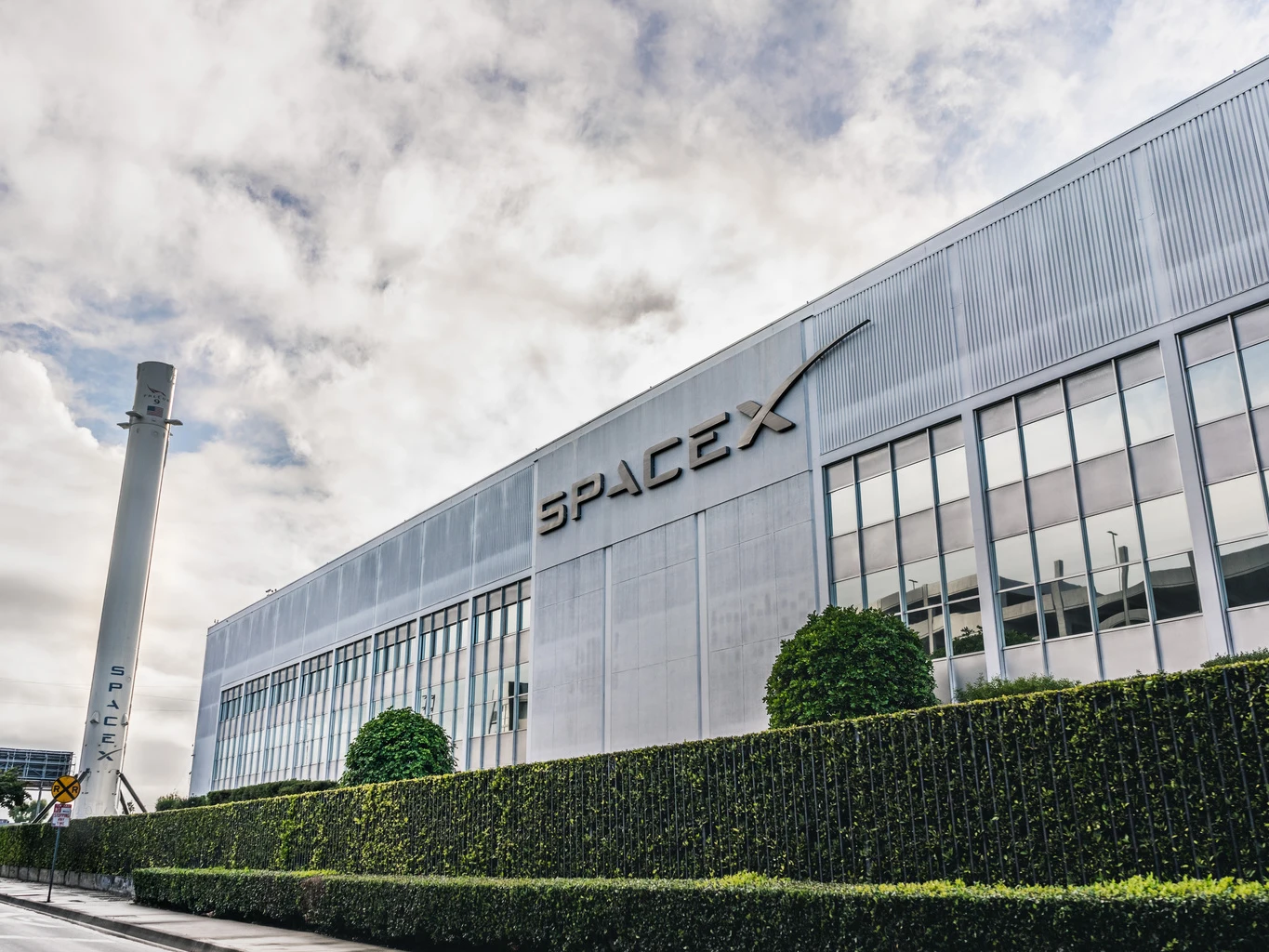
NASA has awarded SpaceX a $946 million contract modification for three additional astronaut missions to the International Space Station, extending Crew Dragon’s central role in the American human spaceflight programme through the final years of the orbiting laboratory.
The agreement covers Crew-15, Crew-16 and Crew-17, including launch preparation, the flight to orbit, cargo transport, return and recovery operations and the spacecraft’s role as an emergency lifeboat while docked to the station. Mission readiness dates fall in 2027 and 2028, while the contract period runs through 2030.
NASA said in its official award announcement that the modification takes SpaceX’s total number of contracted crew missions to 17. It also raises the value of the company’s Commercial Crew Transportation Capability contract to $5.92 billion.
The dollar figure is significant, but the strategic message is bigger. NASA selected both SpaceX and Boeing in 2014 because the agency wanted two independent American systems capable of carrying astronauts. Competition was supposed to provide resilience if one vehicle encountered technical trouble.
Crew Dragon was certified in 2020 and has since become the dependable part of that plan. Boeing’s Starliner programme has moved more slowly and experienced costly technical setbacks. NASA still describes maintaining two commercial crew providers as an important goal, but buying three more Dragon missions shows how much the present schedule depends on SpaceX.
At roughly $315 million per mission, the contract cannot be reduced to the price of a Falcon 9 launch. NASA is purchasing a complete crew transportation service, including months of preparation, mission support, cargo capacity, recovery and the ability to evacuate astronauts in an emergency. Up to four crew members can travel aboard each Dragon mission.
The timing also matters because NASA expects to retire the International Space Station around 2030 and transition towards privately operated stations in low Earth orbit. SpaceX is therefore securing work at the end of one era while positioning Dragon as a transport system for the commercial platforms expected to follow.
For SpaceX, the award adds predictable government revenue to a business increasingly driven by Starlink, national security launches and ambitious Starship development. For NASA, it buys continuity while alternative vehicles and future stations remain works in progress.
That dependence is not necessarily a failure. Commercial Crew was designed to turn astronaut transportation into a service that NASA could purchase rather than own from end to end. SpaceX has delivered that service consistently. The risk is concentration: when one provider carries most of the operational burden, a grounding or major technical failure can affect the entire rotation schedule.
The new missions reinforce a trend visible across the space industry. As SpaceX takes on more launch and crew work, the relationship increasingly resembles critical national infrastructure rather than an ordinary supplier contract. NASA may have two commercial crew partners on paper, but for the immediate future, Crew Dragon remains the spacecraft keeping America’s regular route to orbit open.
Related Reading
More contextual TechBooky stories selected from tags, categories and article context.
Paul Balo is the founder of TechBooky and a highly skilled wireless communications professional with a strong background in cloud computing, offering extensive experience in designing, implementing, and managing wireless communication systems.
We use cookies to ensure that we give you the best experience on our website. If you continue to use this site we will assume that you are happy with it.