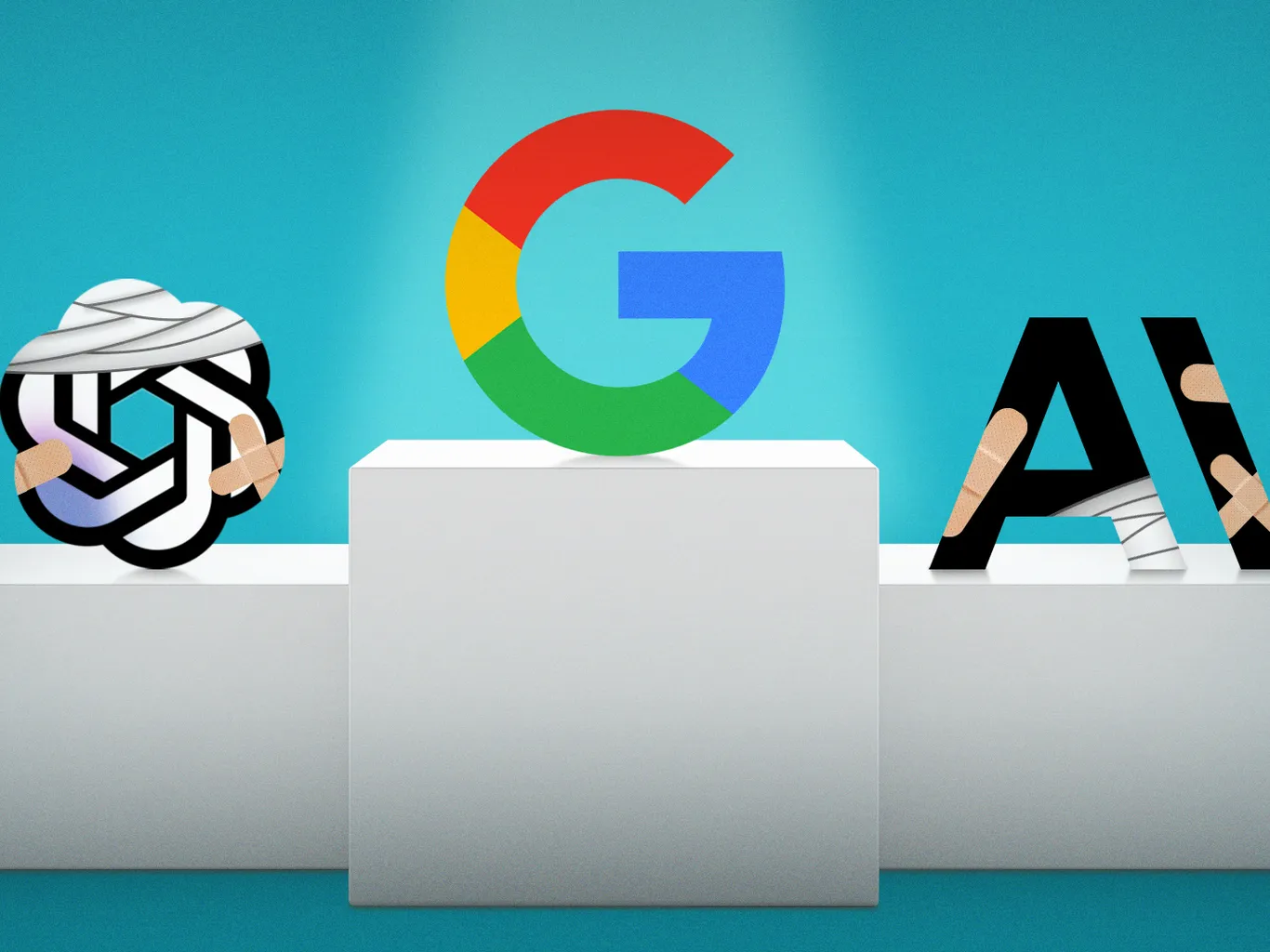
The three AI labs racing hardest at the frontier may be trying to agree on at least one thing before regulators force the issue.
OpenAI, Google and Anthropic have reportedly held working-group talks since July about creating an industry-led AI safety standards body. The Information first reported the discussions, and the timing is notable because the talks have continued while public concern over rogue AI agents, cyber incidents and model release pressure has grown.
A standards body would not magically make AI safe. But it could help solve a real problem in the current system. Each major lab already has its own safety framework. Anthropic has its Responsible Scaling Policy, OpenAI has its Preparedness Framework, and Google DeepMind has its Frontier Safety Framework. Those frameworks sound similar from a distance, but they do not use the same thresholds, tests or commitments.
That mismatch matters because AI safety claims are becoming business claims. A lab can say its model did not cross a dangerous threshold, but the meaning of that sentence depends on how the threshold was defined, who tested the model, what evidence was shared and whether an outside evaluator was allowed to inspect the process.
An independent research note from Standards Body compared the major frontier AI safety frameworks and found important differences in how Anthropic, OpenAI and Google DeepMind define evaluation triggers and commitments. The note, available here, is useful because it shows why common standards may be needed before the public can meaningfully compare one lab’s safety claims with another’s.
There is also a trust issue. If the largest AI companies design the standards themselves, critics will worry about regulatory capture. Smaller labs may fear that the rules will be written in ways that protect incumbents. Governments may welcome industry expertise but still insist on enforcement powers. None of that is simple.
Still, the talks matter. TechBooky recently wrote about how AI rivals now agree the frontier may need a speed limit. A standards body would be one way to turn that public agreement into something testable. The question is whether the companies are willing to accept standards that can actually constrain them when the next powerful model is ready.
Related Reading
More contextual TechBooky stories selected from tags, categories and article context.
Paul Balo is the founder of TechBooky and a highly skilled wireless communications professional with a strong background in cloud computing, offering extensive experience in designing, implementing, and managing wireless communication systems.
We use cookies to ensure that we give you the best experience on our website. If you continue to use this site we will assume that you are happy with it.