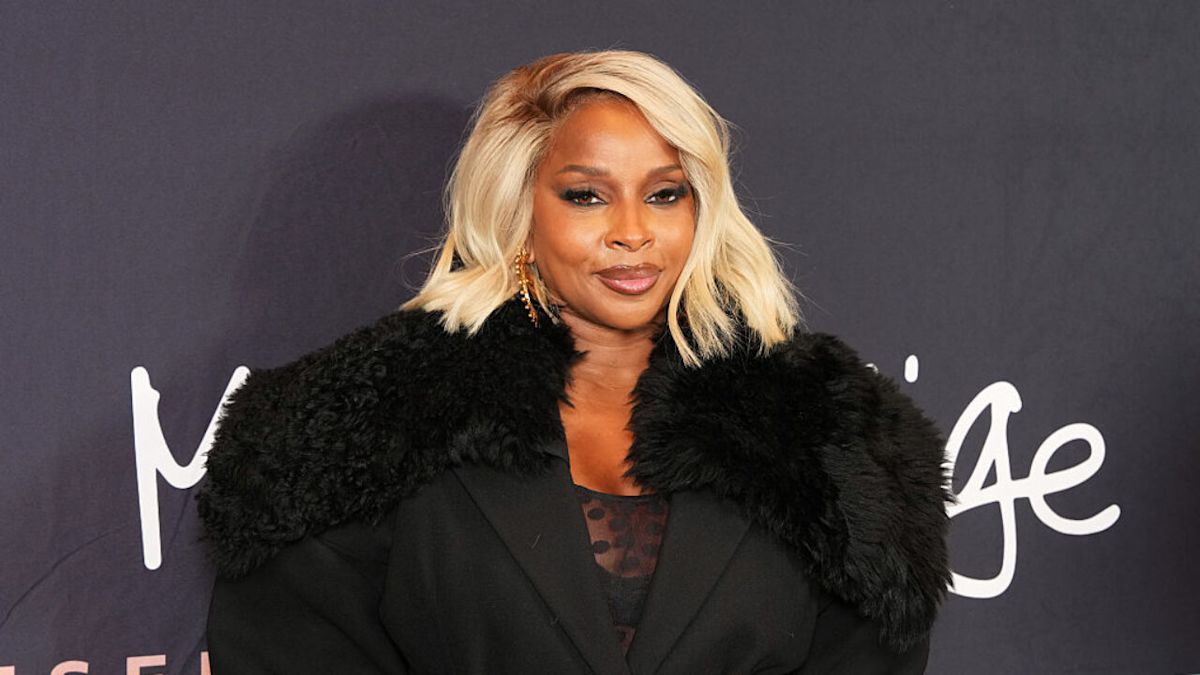
Suno has pulled a controversial Mary J. Blige advertisement after questions emerged over whether the singer had actually approved the campaign. Variety reported that the AI music company terminated the ad after learning that the person who presented themselves as Blige’s official representative did not have authority to approve the deal.
The ad appeared to show Blige listening to and reacting positively to an AI-generated song made with Suno. That matters because celebrity endorsement is powerful in any industry, but it is especially sensitive in AI music, where artists are already worried about voice imitation, identity use and the replacement of human creativity.
Suno said it entered into a business deal with someone who claimed to represent Blige and ended the campaign once it learned that was not the case and that the singer was uncomfortable. The company may see this as a bad approval process. Many artists will see it as another warning that AI music companies are moving too fast around identity and consent.
The timing is difficult for Suno. The company is already facing legal pressure from artists and rights holders. People reported this week that Jason Isbell and other musicians filed a class-action lawsuit accusing Suno of exploiting artists’ identities, while major music copyright fights have already pulled AI companies deeper into court.
This is not only about whether one ad was authorised. It is about trust. When an AI music platform uses a beloved human artist to make its technology look accepted, fans assume the artist has made a choice. If that assumption is wrong, the platform has borrowed credibility it did not truly have.
That is the same problem running through the wider AI content economy. Google is courting Hollywood, publishers are suing or licensing AI firms, and music labels are trying to decide whether to fight, settle or partner. As AI companies search for creative-industry legitimacy , consent is becoming as important as capability.
For musicians, the fear is direct. AI can imitate style, voice, mood and genre. Even when a platform says it prevents direct copying, artists worry that their identity can still be used as a prompt, marketing tool or commercial signal without meaningful approval.
Suno’s Mary J. Blige problem should therefore be read as more than a celebrity PR mistake. It shows that AI music companies need clearer rights, stronger verification and a better understanding of why artists are defensive. In music, authenticity is not a side feature. It is the product.
Related Reading
More contextual TechBooky stories selected from tags, categories and article context.
Paul Femi Balo is the founder and publisher of TechBooky. He covers artificial intelligence, African technology, digital infrastructure, enterprise technology and the global digital economy.
We use cookies to ensure that we give you the best experience on our website. If you continue to use this site we will assume that you are happy with it.