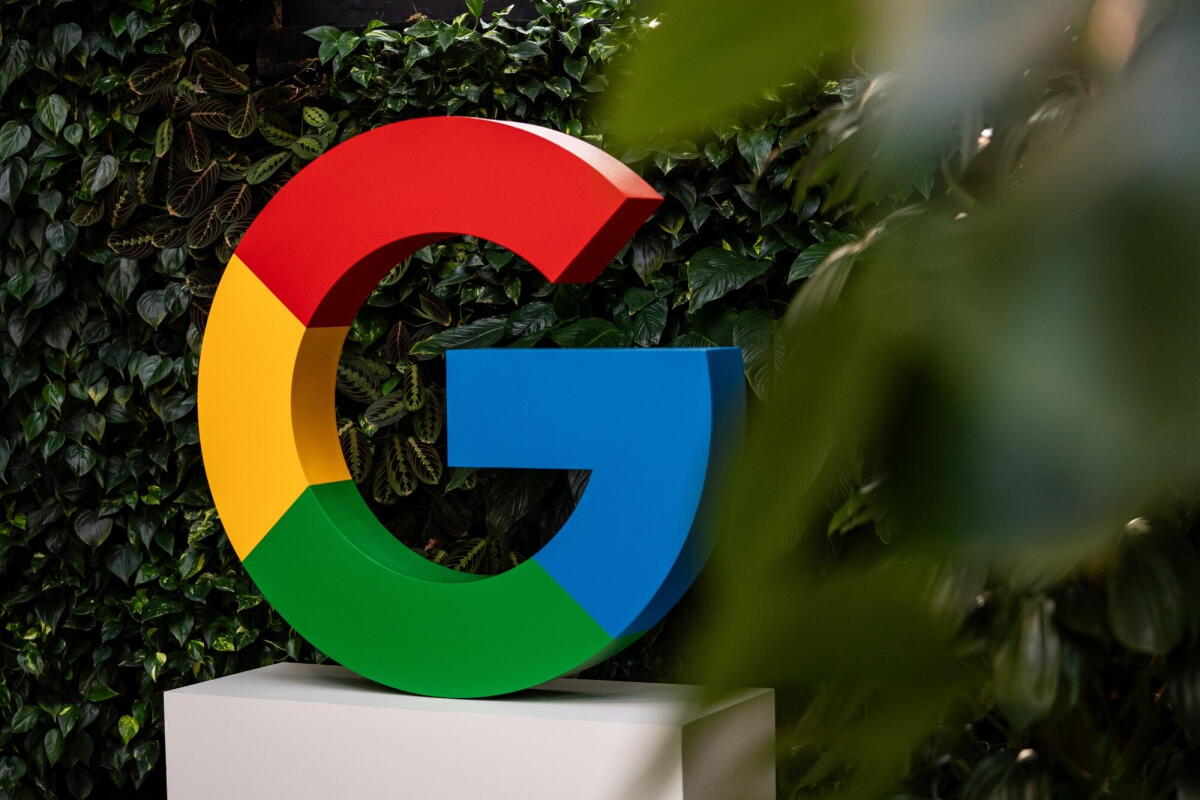
Google reportedly wants Hollywood content for AI, and that alone shows how quickly the training-data fight has moved from technical debate to entertainment economics.
The Verge argues that Google needs Hollywood more than Hollywood needs AI, and the point is easy to understand. If AI video, audio, search and assistants are going to feel culturally fluent, they need high-quality professional content. Hollywood has that. Google has the models, distribution and money.
The difficulty is that studios cannot treat this like a simple licensing deal. Actors, writers, directors, animators, voice performers and unions are already sensitive to AI because they fear their work may be used to build tools that reduce their bargaining power later.
YouTube has already had to update its approach to AI-generated and synthetic content. That matters because Google does not only build AI models. It also runs one of the world’s biggest video platforms, which means the company sits on both sides of the content and AI equation.
For studios, the temptation is obvious. Licensing archives to AI companies could create a new revenue line at a time when streaming economics are under pressure. Old catalogues, scripts, footage and metadata may suddenly look like training assets.
But the long-term risk is that Hollywood sells the raw material for tools that make future production cheaper and more automated. Even if the first deals are narrow, the industry will worry about whether AI-generated trailers, dubbing, previsualisation, background extras, scripts or synthetic performances gradually reshape the labour market.
This is why the Google-Hollywood story belongs inside the wider AI copyright fight. Music publishers have sued Anthropic over lyrics, and that copyright battle showed that rightsholders are no longer waiting quietly while AI companies build with protected material.
There is also a consumer-trust angle. Audiences may accept AI tools that restore old footage, improve dubbing or help creators work faster. They may react differently if they believe studios are replacing human performers with synthetic imitations trained on decades of human work.
Google’s challenge is therefore not only to secure legal rights. It has to persuade the creative economy that AI licensing can be more than extraction. That means consent, payment, attribution, limits and transparency.
Hollywood may take the money, but it will do so carefully. The studios know that AI companies want premium content because premium content gives models taste, style and cultural memory. That makes Hollywood valuable, but it also makes the next set of AI licensing deals politically explosive.
Related Reading
More contextual TechBooky stories selected from tags, categories and article context.
Paul Balo is the founder of TechBooky and a highly skilled wireless communications professional with a strong background in cloud computing, offering extensive experience in designing, implementing, and managing wireless communication systems.
We use cookies to ensure that we give you the best experience on our website. If you continue to use this site we will assume that you are happy with it.