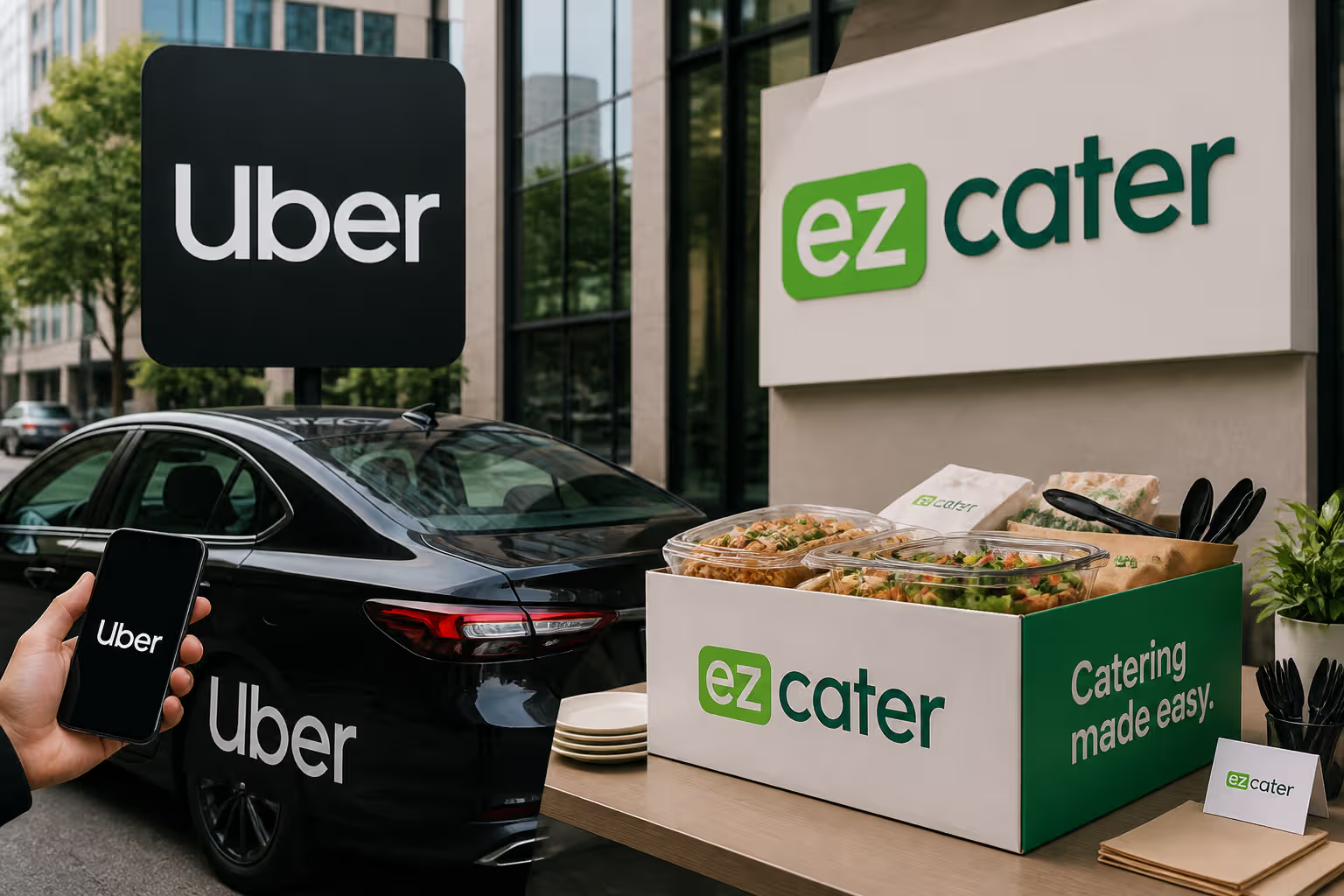
Uber is making a $2.3 billion bet that its next valuable food order may come from an office manager, not a person ordering dinner at home. The company has agreed to acquire ezCater, a US platform for workplace meals and catering, in an all-cash transaction. The agreement was announced on October 6, but the purchase has not closed and remains subject to regulatory approval and other conditions.
ezCater is built around a different kind of delivery order. Companies use it to arrange food for meetings, employee programmes and events, and its network reaches more than 140,000 restaurants across the United States. Uber says the platform handled more than $2.5 billion in gross bookings over the last 12 months. Its average order exceeds $400, far larger than a typical individual takeaway order, and the business is profitable on Uber’s non-GAAP operating-income measure.
The attraction for Uber is clear. Uber Eats already has restaurant relationships and delivery infrastructure, while Uber for Business has corporate customers. Folding ezCater into that network could make large group orders easier to discover and manage. Restaurants may welcome a route to higher-value orders, although catering brings its own demands: precise timing, larger quantities and less room for a delivery mistake when a roomful of people is waiting.
For employers, the useful part is not simply having another app for food. Catering involves budgets, recurring orders, different dietary needs and a record of what was spent. ezCater has built tools around those needs, along with round-the-clock support. Uber will have to preserve that reliability as it tries to bring the service to a broader audience.
The proposed acquisition also fits a larger pattern at Uber. The company keeps widening its role beyond rides, seeking more occasions when people or businesses need goods and services moved. Its recent second-quarter results showed the scale of the existing platform, but investors are watching where the next durable source of growth comes from. Workplace meals offer repeat corporate demand and potentially attractive order economics without requiring Uber to invent a catering marketplace from scratch.
The price is a serious commitment, not a guarantee of a seamless combination. Corporate buyers will judge whether ordering and support improve, restaurants will judge whether the larger orders are profitable, and regulators still have to clear the transaction. Uber expects the deal to close in the coming months. Until it does, ezCater remains a separate company and the promised benefits are plans rather than results.
Related Reading
More contextual TechBooky stories selected from tags, categories and article context.
Paul Balo is the founder of TechBooky and a highly skilled wireless communications professional with a strong background in cloud computing, offering extensive experience in designing, implementing, and managing wireless communication systems.
We use cookies to ensure that we give you the best experience on our website. If you continue to use this site we will assume that you are happy with it.