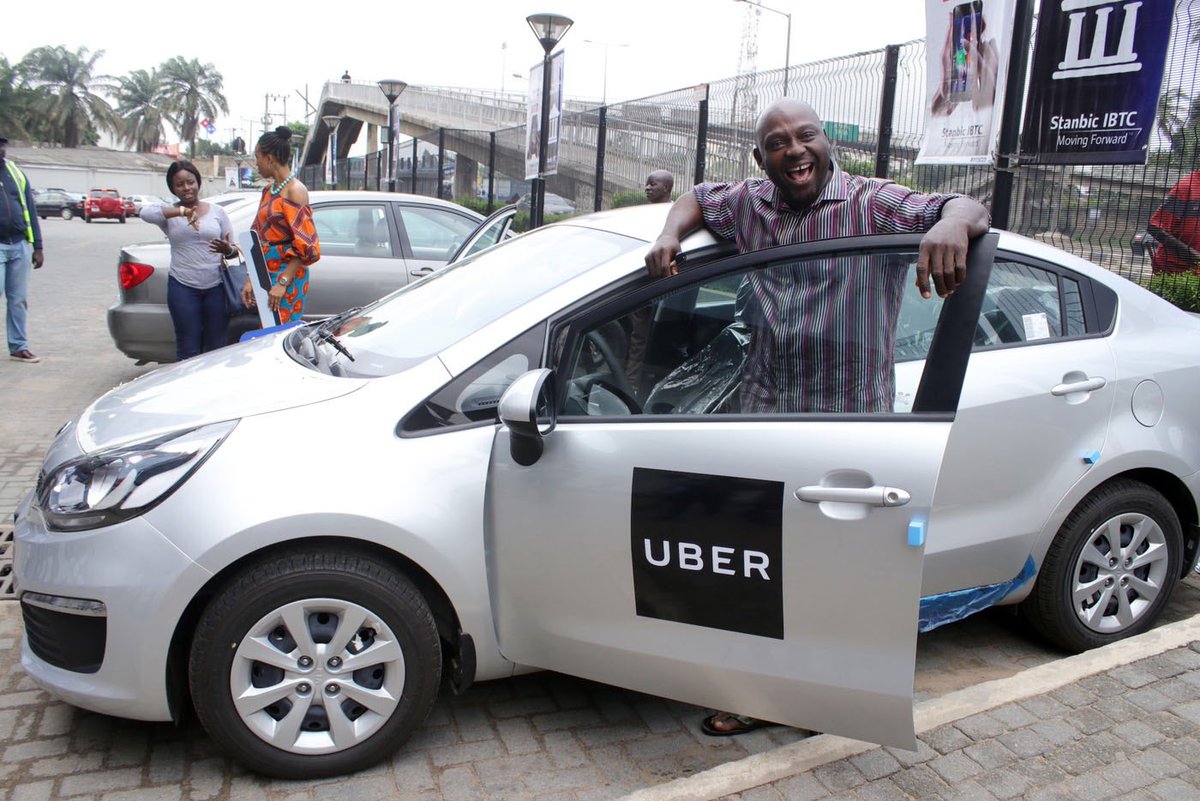
Uber has notified Nigerian riders and drivers that it is winding down operations in the country from today, September 2, 2026, ending a 12-year run that helped define app-based transport in Lagos and other Nigerian cities.
The shutdown was first reported locally by Punch, which said Uber informed drivers on Wednesday that they would no longer receive rider trip requests through the Uber app from the effective date. Vanguard also reported that users received a similar notice, with Uber saying the decision followed a thorough business review.
This is a major moment for Nigeria’s ride-hailing market. Uber launched in Lagos in 2014 and went on to become one of the best-known mobility platforms in the country, competing with Bolt, inDrive, Lagride and other services across major urban centres.
The company has not yet published a detailed public explanation on its Nigeria newsroom at the time of writing, and some public Uber country pages may take time to reflect the shutdown. But the notices reported by multiple Nigerian outlets make the operational message clear: Uber is leaving Nigeria.
According to the reported message to drivers, Uber described the decision as difficult and thanked drivers for helping keep cities moving over the years. The company also said its help centre would remain available for final enquiries until later in September.
For riders, the immediate effect is disruption. Many Nigerians use ride-hailing apps not only for convenience, but also because they provide a predictable alternative to informal taxis, negotiated fares and public transport gaps. Uber’s exit removes one of the most recognisable choices from that market.
For drivers, the impact may be sharper. Ride-hailing income has become a primary or secondary source of earnings for thousands of people. Some drivers already work across multiple platforms, but losing Uber means fewer trip channels, less platform competition and possibly weaker bargaining power over time.
The exit also raises hard questions about the economics of ride-hailing in Nigeria. Fuel costs, vehicle maintenance, inflation, foreign exchange pressure, driver protests, regulatory uncertainty and intense price competition have all made the market difficult. Ride-hailing can look large from the outside and still be hard to make profitable locally.
This is why the timing matters. Uber’s Nigeria withdrawal comes just as the company is cutting about 10 percent of its global workforce. In the global restructuring memo, CEO Dara Khosrowshahi said Uber was simplifying its organisation and redirecting investment toward areas with stronger long-term potential.
We wrote earlier that Uber is cutting about 3,300 jobs as it bets on a leaner future. The Nigeria exit now gives that global restructuring a local edge. Uber is not only reducing headcount. It appears to be deciding which markets and operating models still justify capital and management attention.
Africa has not been an easy region for Uber. The company has previously exited or scaled back in some markets, including Cote d’Ivoire and Tanzania, where regulation, pricing and driver economics became difficult. Nigeria was always bigger and more symbolically important, which is why this move will be watched closely across the continent.
The competitive effect could be immediate. Bolt, inDrive and local mobility operators may gain riders and drivers, but they will also inherit the same structural problems Uber struggled with. If the underlying economics do not improve, Uber’s exit may be less of a one-company story and more of a warning about Nigeria’s urban mobility market.
There is also a policy angle. Nigeria wants to be seen as a serious digital economy, with major events such as GITEX Nigeria highlighting startups, fintech, AI and digital infrastructure. But consumer technology companies still need predictable regulation, secure payments, reliable dispute resolution, driver safety and a business environment where local operations can make sense.
The contrast with other Nigerian tech stories is striking. While fintech and digital infrastructure remain attractive, as seen in conversations around OPay and Nigerian capital markets, mobility has always been a harder business because it depends on roads, vehicles, fuel, labour and local regulation, not only software.
Uber’s wider future is also shifting toward autonomy. The company is trying to position itself for robotaxis and partnerships as Waymo and Tesla fight for the next phase of ride-hailing. That robotaxi race may matter more to Uber’s global valuation than keeping every difficult human-driver market open.
For Nigeria, the immediate story is simpler and more painful. One of the companies that helped normalise app-based transport is leaving. Riders will adjust, drivers will migrate, competitors will move quickly and regulators will face fresh questions about what kind of ride-hailing market the country wants.
The bigger lesson is that platform scale does not guarantee market permanence. Uber became a verb in many cities because it made urban transport feel easier. In Nigeria, that chapter now appears to be closing, and the next phase of mobility will have to be built by the companies willing and able to survive the realities Uber is walking away from.
Related Reading
More contextual TechBooky stories selected from tags, categories and article context.
Paul Balo is the founder of TechBooky and a highly skilled wireless communications professional with a strong background in cloud computing, offering extensive experience in designing, implementing, and managing wireless communication systems.
We use cookies to ensure that we give you the best experience on our website. If you continue to use this site we will assume that you are happy with it.