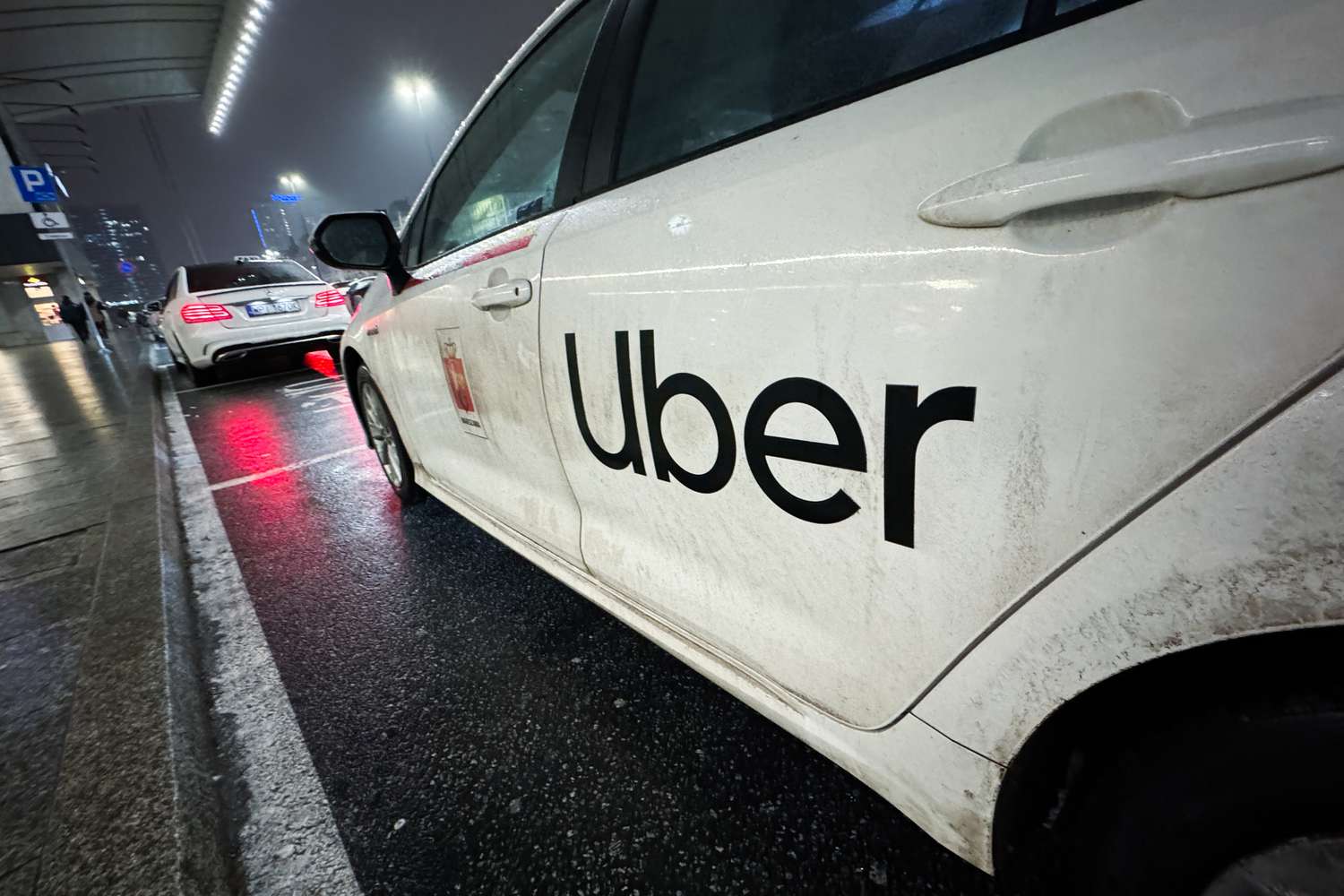
Uber has reported another strong quarter on the surface, but the market reaction shows how much the company is now being judged by a future it has not fully controlled yet: autonomous vehicles.
In its second-quarter 2026 results, Uber said gross bookings rose 24 percent year over year to $58.0 billion, or 22 percent on a constant-currency basis. Trips grew 18 percent to 3.9 billion, monthly active platform consumers rose 16 percent to 208 million, and revenue increased 12 percent to $14.2 billion.
Profitability also looked better than the old Uber story many investors still remember. GAAP income from operations rose 30 percent to $1.9 billion, adjusted EBITDA grew 33 percent to $2.8 billion, and non-GAAP operating income climbed 40 percent to $2.1 billion. Uber also reported GAAP diluted EPS of $1.17 and non-GAAP EPS of $0.81.
So why did the stock fall? The short answer is guidance and expectations. CNBC noted that Uber shares dropped after the company issued a softer outlook, even though the quarter itself showed healthy platform growth. Uber expects third-quarter gross bookings of $58.25 billion to $60.25 billion and non-GAAP EPS of 84 cents to 88 cents. For a company investors now price like a growth platform, merely strong is not always enough.
The longer answer is robotaxis. CEO Dara Khosrowshahi said Uber is investing from a position of strength as it tries to build the world largest platform for autonomous vehicles. That ambition is now central to the Uber story because Waymo, Tesla, Zoox, Baidu, Lyft partners and other players are all trying to define the future of urban mobility.
Uber no longer wants to own the entire self-driving stack the way it once tried to do. It wants to be the demand layer, the marketplace and the operating partner that helps autonomous vehicle companies reach customers. That is a smart capital-light strategy if the partners come through. It is also risky because investors can see the value of the network but still wonder whether Uber will capture enough of the economics when the cars eventually do not need human drivers.
Uber still has a powerful advantage: scale. The company has hundreds of millions of users, strong delivery and mobility liquidity, routing data, payments, driver-market experience and local regulatory relationships. A robotaxi company may have better autonomous technology, but it still needs demand, dispatching, pricing and customer support. Uber wants to be where all of that meets.
The problem is that Wall Street is impatient. It wants proof that Uber can keep growing its current business while also winning the autonomous transition. Strong bookings and free cash flow help, but they do not fully answer the question of what happens when the economics of mobility change.
For now, Uber is still growing, still generating cash and still expanding trips. But the stock reaction tells the real story. The market is no longer asking only whether Uber can run a profitable ride-hailing and delivery platform. It is asking whether Uber can remain the front door to transportation when the driver disappears.
Related Reading
More contextual TechBooky stories selected from tags, categories and article context.
Paul Balo is the founder of TechBooky and a highly skilled wireless communications professional with a strong background in cloud computing, offering extensive experience in designing, implementing, and managing wireless communication systems.
We use cookies to ensure that we give you the best experience on our website. If you continue to use this site we will assume that you are happy with it.