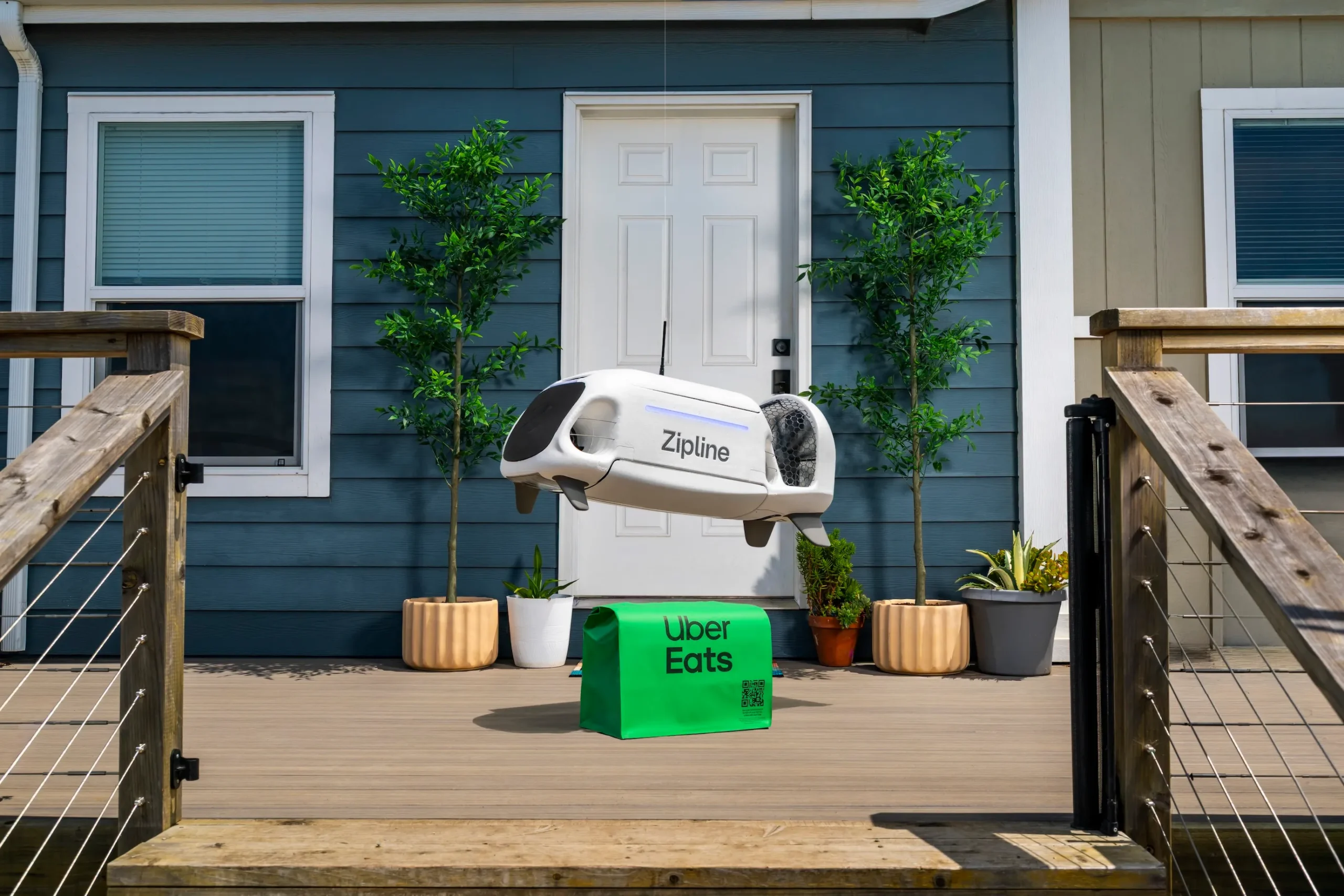
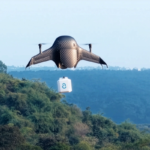
Uber is putting drones back into the delivery conversation, this time through a partnership with Zipline rather than a moonshot from inside its own walls.
The company has announced a strategic partnership and investment in Zipline to bring drone delivery to Uber Eats. The companies say the first deliveries are expected later this year, with a long-term target of reaching one million drone deliveries per day by the end of 2029.
That is an ambitious number, but Zipline is not starting from zero. The company built its reputation delivering medical supplies in countries such as Rwanda and Ghana before expanding into commercial deliveries in the United States and other markets. Its aircraft and logistics system are already built around moving small packages quickly and repeatedly.
For Uber, the logic is clear. Food delivery is a scale business with thin margins, human couriers, traffic delays and rising customer expectations. If drones can handle some short-distance, lightweight deliveries faster and more cheaply, Uber can make Eats feel more instant while reducing pressure on parts of its courier network.
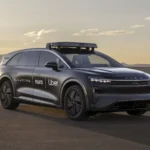
The partnership is also part of Uber’s broader automation strategy. The company is working with autonomous vehicle companies on robotaxis, testing delivery robots and now adding drones to the mix. We recently wrote about Uber’s robotaxi partnership with Pony.ai, and the Zipline deal fits the same pattern: Uber wants to be the platform layer for several types of automated mobility.
The important question is not whether drones can technically deliver food. They can. The question is whether they can do it at commercial scale in messy real neighbourhoods, under airspace rules, weather constraints, noise concerns and local political scrutiny.
Drone delivery also changes the customer experience. Instead of a courier coming to an apartment door or reception desk, some orders may need outdoor drop zones, yards or designated pickup spots. That works better in some suburbs than in dense cities. It may also work better for certain items than others.
There is a regulatory angle too. The United States has been gradually opening more room for drone delivery operations, but approvals remain complicated. A one-million-per-day target will require more than good hardware. It will require airspace coordination, safety records, public acceptance and city-by-city execution.
For Africa, the story is worth watching because Zipline’s earliest real-world proof came from the continent. Rwanda and Ghana helped show that drone logistics could solve important delivery problems, especially in health systems. Now the same company is helping a global platform push drones into mainstream consumer commerce.
That reversal is interesting. Technology often flows from Silicon Valley to Africa. In Zipline’s case, African health logistics helped prove a model that may now influence U.S. consumer delivery. If Uber and Zipline can make drone delivery part of ordinary Eats orders, it will be another sign that autonomy is moving from novelty into logistics infrastructure.
Related Reading
More contextual TechBooky stories selected from tags, categories and article context.
Paul Balo is the founder of TechBooky and a highly skilled wireless communications professional with a strong background in cloud computing, offering extensive experience in designing, implementing, and managing wireless communication systems.
We use cookies to ensure that we give you the best experience on our website. If you continue to use this site we will assume that you are happy with it.