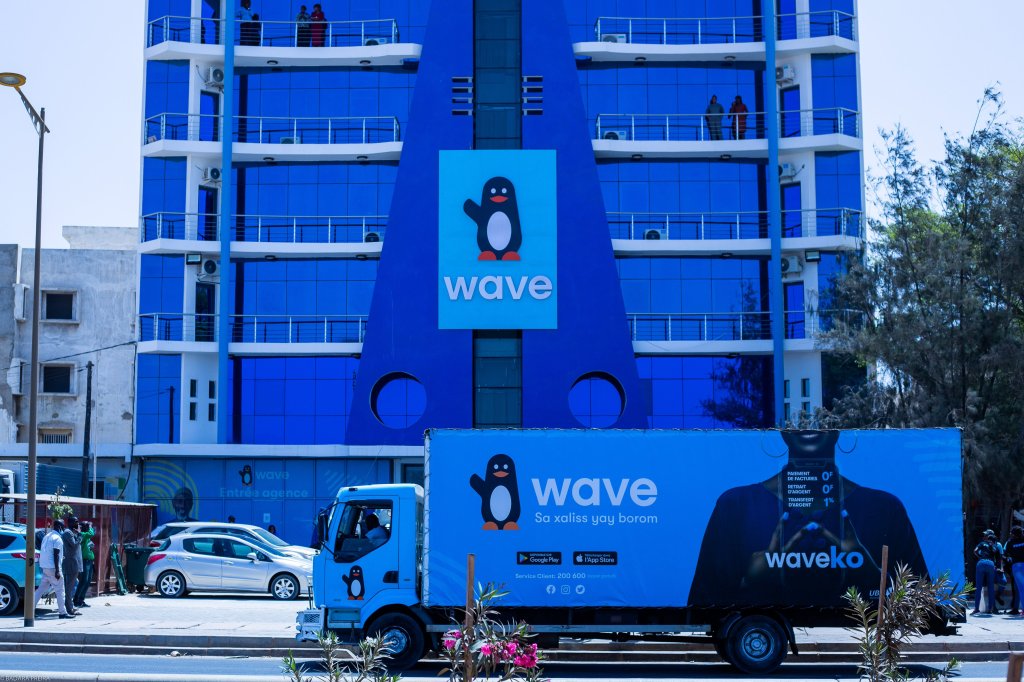
Wave has received approval from the Central Bank of Congo to operate as an electronic-money institution in the Democratic Republic of Congo. The licence gives the fintech a regulatory route into one of Africa’s largest mobile-money markets, but it does not establish that Wave has already launched its service to consumers there.
The central bank announced the approval on 18 November, according to Congolese state news agency ACP. Wave’s statement, published by Actualite.cd, describes the licence as a step towards making financial services more accessible and affordable. Neither announcement gives a firm commercial launch date, tariff schedule or agent-network size.
DR Congo already has mobile-money services connected to large telecoms groups. TechBooky has also covered the wider connectivity race in the country, which forms part of the environment in which payment services must operate. Wave will have to build or secure a distribution network, win consumer trust and show that its pricing and everyday usability are compelling enough to draw customers from existing providers. A licence removes an important regulatory barrier, but it is only the beginning of that work.
Wave built its reputation in West Africa by focusing on simpler, lower-cost digital transfers and on customers who may rely on cash agents rather than conventional bank branches. Whether that model translates directly to DR Congo remains an open question. Geography, connectivity, cash distribution and local competitive conditions will shape the rollout.
The next material announcements will be a launch timetable, the scope of services and fees, and details of local partnerships or an agent network. Those facts will show whether the licence quickly changes payment choices for ordinary users or initially remains a preparatory step.
For Africa’s fintech sector, the approval is nonetheless significant. It shows Wave expanding its regulatory footprint beyond the markets where its brand is already familiar. It could also intensify competition over the price and reach of digital payments in DR Congo, provided the company can turn its new authorisation into a working service.
Related Reading
More contextual TechBooky stories selected from tags, categories and article context.
Paul Femi Balo is the founder and publisher of TechBooky. He covers artificial intelligence, African technology, digital infrastructure, enterprise technology and the global digital economy.
We use cookies to ensure that we give you the best experience on our website. If you continue to use this site we will assume that you are happy with it.