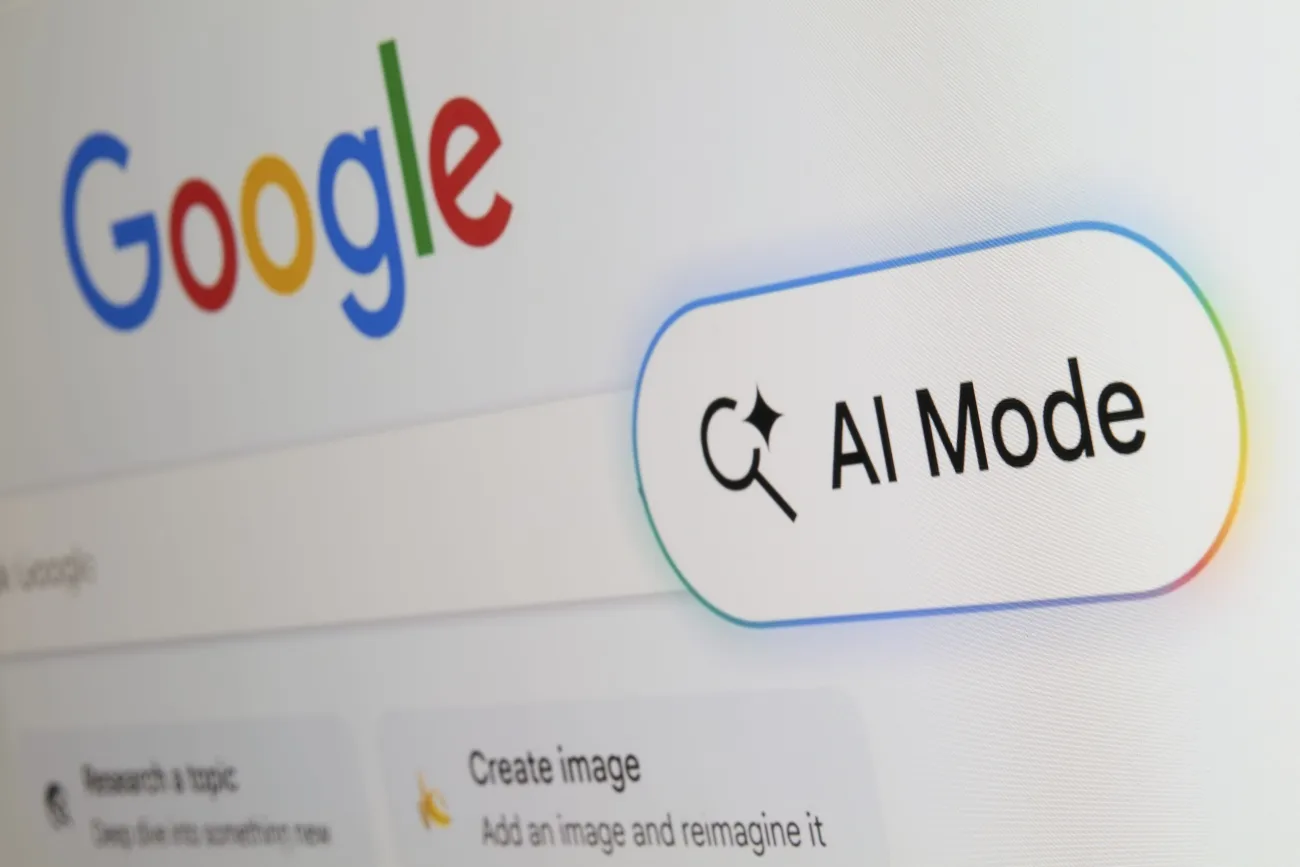
Google is putting more links and source cues into its AI-powered Search results, a change that addresses one of the loudest complaints about AI Overviews and AI Mode: users can get an answer without ever visiting the websites that helped inform it. In an announcement on October 15, the company described several changes meant to make it easier to move from an AI response to the open web. Whether they deliver meaningful traffic to publishers is still an open question.
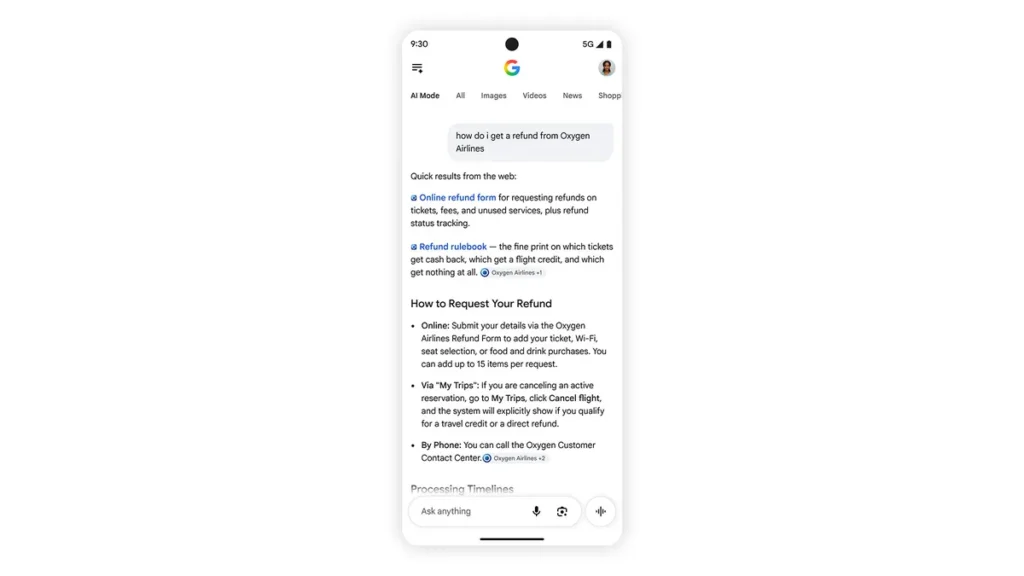
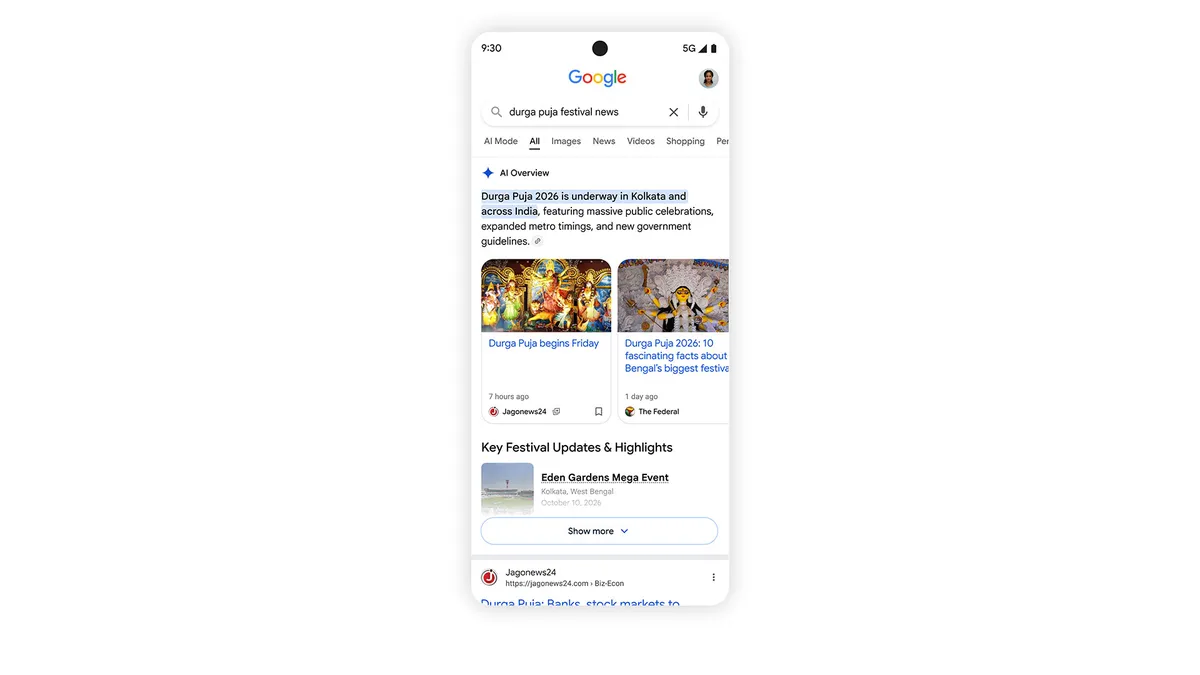
The most immediate shift is in the answer itself. Google says it is showing inline links more often and placing them higher in AI Mode and AI Overviews. It is also testing a dedicated section of prominent links marked “official” when a task calls for one or two authoritative websites. Those links will carry context explaining why a particular site is useful, rather than simply appearing as a list of sources below the answer.
Google is expanding timely-article carousels to more places and languages, including news from a user’s Preferred Sources where relevant. It is also making related articles more prominent at the end of some AI responses, with larger thumbnails intended to make a follow-up click more appealing. Separately, the company is testing clickable names for video creators and publishers that open their Search profiles.
These are distinct changes at different stages. Some are rolling out, while the official-link section and clickable creator names are tests. Google has not said every user or every query will see them. It says the number of people using Preferred Sources has grown more than sevenfold since the start of the year, but that figure does not tell us how many visits participating publishers receive.
For news sites and specialist publishers, placement matters. A citation buried below a complete AI summary is not the same as a visible link beside the claim a reader wants to check. Bringing links into the answer and giving them useful labels may create more opportunities for readers to open the original reporting. It also gives users a clearer path to confirm details, compare accounts and find information an AI summary leaves out.
But the underlying tension remains. As TechBooky reported on the expansion of AI Overviews, a more capable answer can reduce the need to visit a website at all. Publishers need measurable referral traffic, not merely more visible attribution. Google has not provided evidence in this announcement that the new layouts increase click-through rates or compensate sites for the use of their work.
The update also arrives amid a wider dispute over how AI-generated search results affect content owners. Recent litigation involving AI Overviews has shown how sharply publishers and platforms differ over the value of summaries that appear before traditional results. Better source presentation may help readers and creators, but it does not by itself settle questions about consent, economics or the long-term health of the web.
The practical test is simple: when Google AI Search offers a useful answer, can a reader readily see and open the source that knows the subject best? The new inline links, official-site tests and news carousels make that path more visible. Publishers will be watching whether visibility becomes visits, while readers should still open original sources for important claims rather than treating an AI summary as the final word.
Related Reading
More contextual TechBooky stories selected from tags, categories and article context.
Paul Balo is the founder of TechBooky and a highly skilled wireless communications professional with a strong background in cloud computing, offering extensive experience in designing, implementing, and managing wireless communication systems.
We use cookies to ensure that we give you the best experience on our website. If you continue to use this site we will assume that you are happy with it.