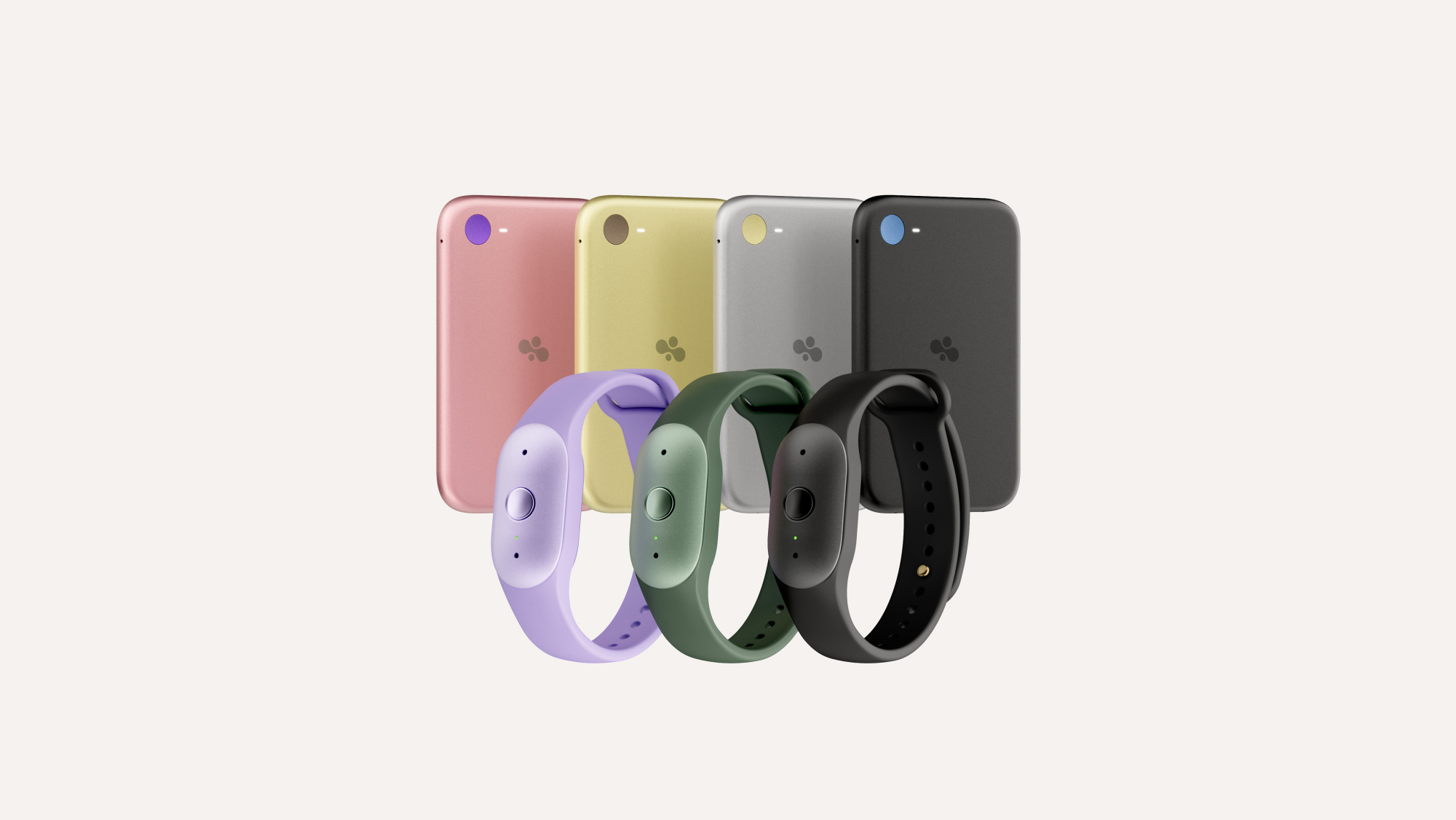
Amazon is putting its Bee AI assistant in two new places: on the wrist and on the back of a phone. The company announced Bee Frontier and Bee Eclipse on October 15, extending the voice-first product beyond its first device and making a more direct play for the moments people forget to write down.
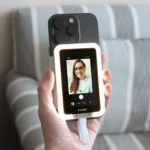
Frontier is a wearable priced at $74.99 and available now. Eclipse is a magnetic phone accessory priced at $99.99, with availability promised soon. The distinction matters: one can travel with you independently, while the other turns a handset into a more deliberate place to capture conversations, ideas and reminders. Neither is simply another smart speaker. Amazon wants Bee to help users recall what was said and act on it later.
Bee turns recorded speech into searchable, summarised memories. Amazon says Eclipse can run for more than 21 days on a charge. A long battery life could make the accessory useful for people who do not want to manage another device daily, although the value still depends on how reliably the assistant identifies useful details rather than producing a growing pile of transcripts.
The basic service retains 14 days of memory. Bee Pro costs $11.99 per month and adds longer-term memory, as well as planned connections with Alexa+ and Amazon.com. That subscription makes the hardware’s modest purchase price only part of the calculation for anyone expecting a persistent personal assistant. Amazon has not presented the forthcoming integrations as already available.
Amazon says the audio is processed and deleted, while transcripts are encrypted. It also says the app prompts users to obtain consent before recording phone conversations. Those safeguards will be central to the product’s reception. A device designed to remember conversations inevitably raises questions about what bystanders know, what users can erase and how securely a personal history is kept.
Most consumer AI still begins with a prompt typed into an app. Bee proposes a different habit which is to let the assistant capture parts of a day and ask it later for the name, commitment or idea that slipped away. In practice, that could be helpful in meetings or while travelling, but it also makes accuracy and privacy more consequential than they are in a casual chatbot exchange.
For Amazon, the two devices are also a way to strengthen its position in personal AI without waiting for a new phone operating system. Frontier gives Bee a wearable presence; Eclipse rides on the phone people already carry. The eventual Alexa+ and shopping connections may make the system more useful, but they could also turn a memory tool into a new route into Amazon’s wider ecosystem.
The immediate test is simpler. Bee must prove that it can remember the right things, disclose its recording clearly and give users control over what it keeps. If it does, the wearable and magnetic accessory may show that the next consumer AI interface is less about another screen and more about a trustworthy memory.
Related Reading
More contextual TechBooky stories selected from tags, categories and article context.
Paul Balo is the founder of TechBooky and a highly skilled wireless communications professional with a strong background in cloud computing, offering extensive experience in designing, implementing, and managing wireless communication systems.
We use cookies to ensure that we give you the best experience on our website. If you continue to use this site we will assume that you are happy with it.