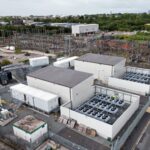
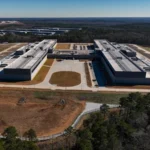
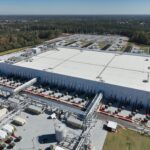
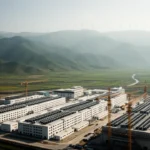
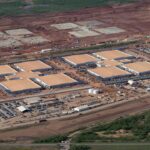
OpenAI has promised to pay the full cost of electricity and infrastructure serving the US data centres it owns and operates, publish site-level resource figures and stop using broad non-disclosure agreements with public officials. The commitments, announced on 5 November, are an attempt to answer a question that has become difficult for the AI industry to avoid. Who bears the local cost of a computing boom that could bring jobs but also demand large amounts of power, water and land?
The company set out the pledges in a National Community Compact and a separate policy blueprint. OpenAI says every future compute campus it owns and operates will have a local compact shaped with residents. It promises an early channel for public input, a continuing local point of contact and annual reporting on its performance. These are company commitments, not a new federal regulation, and their scope does not automatically extend to data centres owned by other cloud providers that supply OpenAI with computing capacity.
OpenAI says it will cover both the electricity it consumes and the infrastructure needed to deliver it. Before major spending begins, it says it will provide financial assurances intended to protect other utility customers if a project is delayed, scaled back or cancelled. That matters because a grid upgrade built for a huge customer can leave a difficult question if that customer never uses the capacity. The announcement does not, by itself, demonstrate that household bills will stay unchanged at every site. Utility tariffs, contracts and regulatory decisions will determine how costs are allocated in practice.
The new blueprint asks state utility commissions to make large electricity users cover the costs they add to the grid. It also proposes easier connections for facilities that can reduce demand when the system is strained. OpenAI points to a planned Georgia campus whose arrangement with Georgia Power would allow the utility to cut deliveries by up to 1,000 megawatts at peak times. TechBooky covered OpenAI’s earlier plan for power cuts during grid emergencies. Today’s announcement goes further by joining that flexibility to public reporting and cost protections.
For each campus, OpenAI says it will develop a water plan, prioritise closed-loop or low-water cooling and publish site-level water and electricity use. It also promises to publish construction plans and independent noise studies before operations begin and every year thereafter. Local residents should be able to compare those figures with the assurances made when a project was proposed, rather than relying solely on a national corporate target.
The company also says it will not use NDAs with public officials, apart from narrow protections for genuine security, trade-secret or competitively sensitive information. Its policy blueprint calls for public terms when state or local governments offer tax incentives, with measurable obligations and a way to recover benefits if a developer falls short. OpenAI is asking policymakers to apply such safeguards across the industry, which means the wider standard still depends on governments acting.
There is an economic promise as well. OpenAI says it will publish expected jobs, work with unions and training providers, report on hiring and apprenticeships, and invest in priorities selected with residents. It cites a school-meals grant in Georgia and a childcare commitment in Ohio as examples. Those projects show the kind of local benefits the company wants associated with its campuses, though communities will still need to judge each proposal against its own needs and costs.
The timing is significant. US communities have become more willing to challenge data-centre developments over electricity bills, water use and the terms of local deals. TechBooky previously reported on delayed US projects as that resistance grew. OpenAI’s compact acknowledges that winning permission to build is now as important as securing chips and capital. The test will be whether site-level contracts, published measurements and independent oversight make the promises enforceable when the facilities start operating.
Related Reading
More contextual TechBooky stories selected from tags, categories and article context.
Paul Femi Balo is the founder and publisher of TechBooky. He covers artificial intelligence, African technology, digital infrastructure, enterprise technology and the global digital economy.
We use cookies to ensure that we give you the best experience on our website. If you continue to use this site we will assume that you are happy with it.