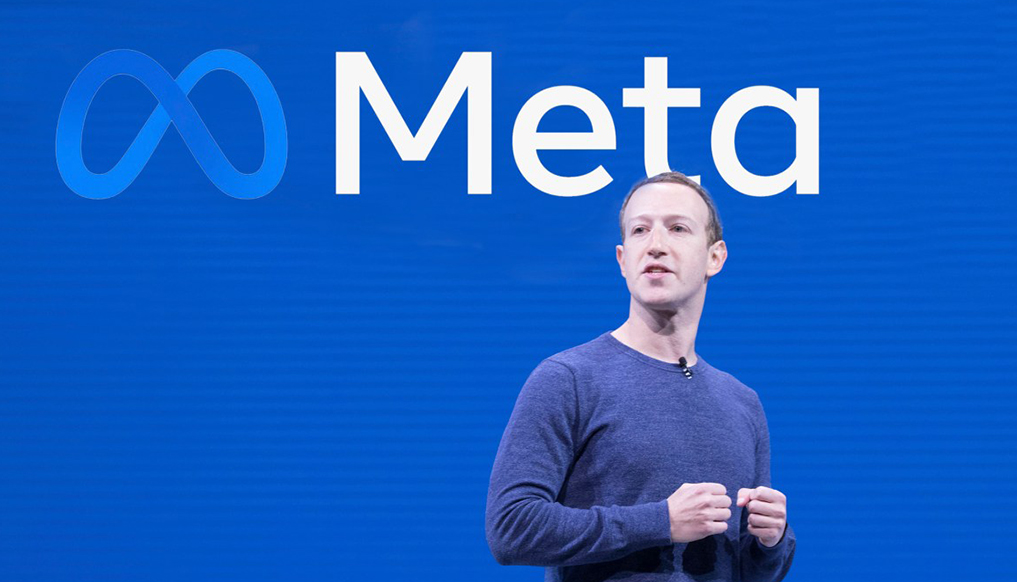
Meta has acquired Conductor, a startup whose software lets developers supervise several AI coding agents working on different tasks at once. Founder and chief executive Charlie Holtz confirmed on 4 November that the company is joining Meta. The purchase price was not disclosed.
This is more than another AI hiring deal. Conductor has been working on a practical problem that becomes harder as coding agents improve. A developer may ask one agent to investigate a bug, another to implement a feature and a third to test a change, but those jobs still need separate workspaces, clear oversight and a way to bring the results together. Axios first reported the acquisition and described Conductor as a platform for running agents in parallel.
Meta already has a direct interest in the developer market. Its Muse Code beta put the company into the contest to automate software engineering across large repositories. Conductor adds a different layer: the interface and workflow for assigning and monitoring several agents rather than asking one assistant to complete a task from start to finish. That distinction matters because a stronger model alone does not solve the problem of coordinating work across a real software project.
Holtz said the team has plans for a new interface and expects to have something available for people to use early next year. He did not describe the product or say whether it will carry the Conductor name. Reports place the team within Meta Superintelligence Labs, which houses the company’s frontier AI effort. Meta has not publicly detailed how Conductor’s technology will be integrated into Muse Code or any other product, so any connection to a specific release remains an inference.
The strategic logic is nevertheless clear. Coding agents are moving from answering questions and proposing snippets towards taking on larger assignments. The next competition is partly about how a human developer can delegate, inspect and combine their work without losing control of the codebase. Meta is buying a team that has already built for that workflow. Rivals, including OpenAI, Anthropic and specialist coding-tool companies, are pursuing their own approaches to multi-agent software development.
The acquisition has immediate consequences for customers. Conductor has stopped accepting new sign-ups and downloads. Existing users can continue using the app for now, while paid users retain pro features without charge. Its hosted Conductor Cloud service becomes read-only on 13 November, and the company says it will shut down that service on 20 November and begin deleting cloud user data. Users should export their data before the shutdown.
Conductor says customers can transfer a cloud workspace and its chats to a local installation, or export an archive through the app’s account settings. Active subscribers will receive refunds. The local version will continue to receive new models and critical bug fixes until early 2027, when the company expects to begin winding it down. That gives users some time to move, but it also means the current product is not a permanent home for their workflows.
For developers, the question now is what Meta builds with the team. A useful successor would need to preserve the visibility and control that make parallel agents manageable, not merely launch more agents at a codebase. For Meta, the acquisition could help turn its wider enterprise AI ambitions into a tool developers want to use every day. The company has confirmed the team is joining it; the product case still has to be proved.
Related Reading
More contextual TechBooky stories selected from tags, categories and article context.
Paul Femi Balo is the founder and publisher of TechBooky. He covers artificial intelligence, African technology, digital infrastructure, enterprise technology and the global digital economy.
We use cookies to ensure that we give you the best experience on our website. If you continue to use this site we will assume that you are happy with it.