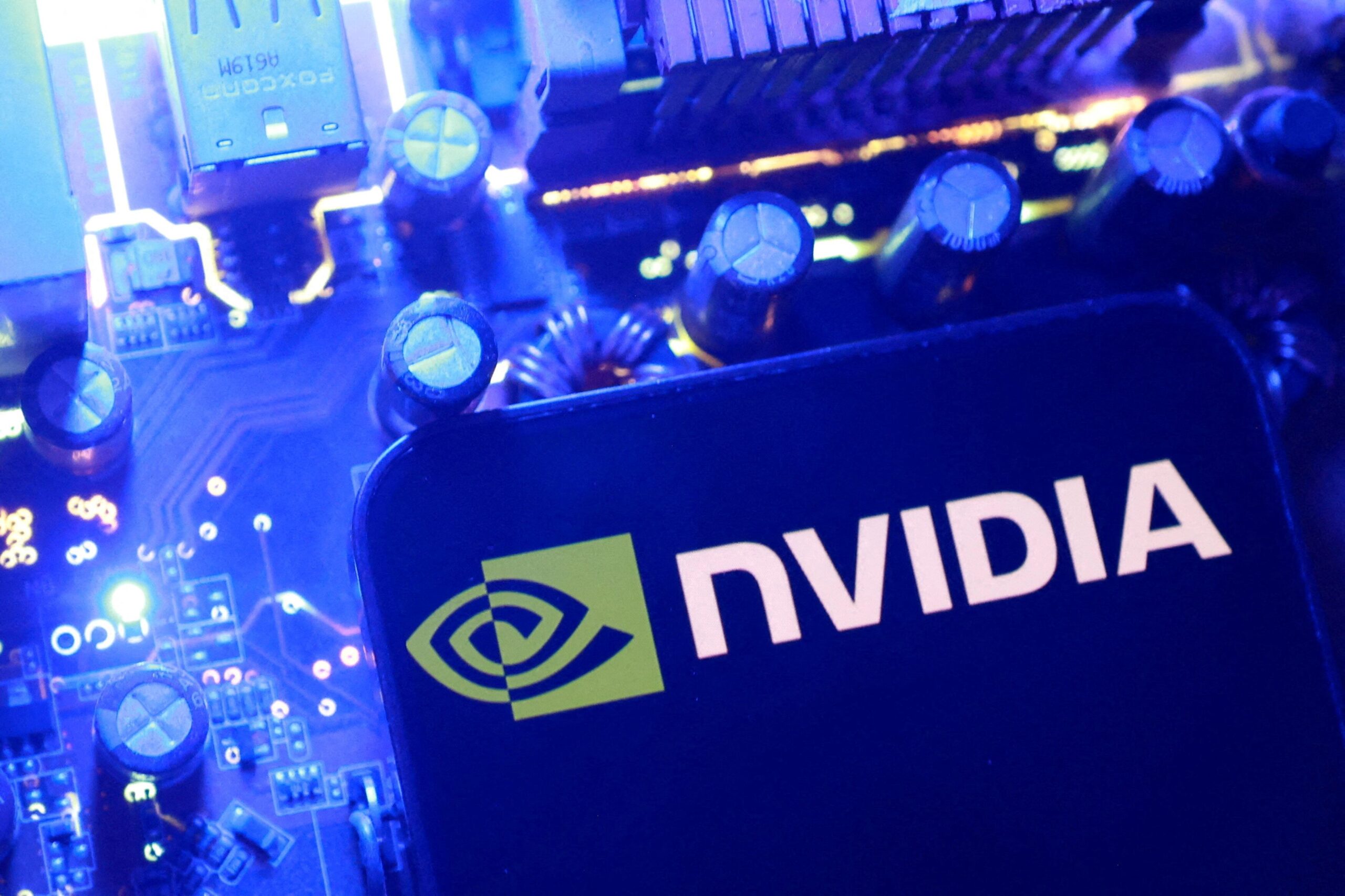
Nvidia still sells a formidable share of the AI chips going into China, but the market is changing quickly. A new report based on IDC data says its accelerator shipments in the country fell 44% year over year in the first half of 2026, while Huawei narrowed the gap.
Nvidia shipped about 678,000 AI accelerators during those six months, accounting for 34% of the Chinese market, according to Reuters’ account of the IDC figures. Huawei shipped about 572,000, giving it a 28% share. That leaves Nvidia in first place, but with far less room between it and China’s leading domestic challenger.
The distinction between shipments and capability matters. A count of chips delivered is not a measure of training performance, software maturity or revenue. It does, however, show what Chinese customers were able and willing to buy in the first half of the year. That is an increasingly important test of whether export restrictions and local investment are reshaping the country’s AI hardware market.
For years, Nvidia’s advantage has extended beyond its processors to CUDA, networking and a software ecosystem that developers have built around. Huawei has been trying to make a credible alternative out of its Ascend chips and the systems around them. TechBooky has previously covered Huawei’s broader chip strategy and its Atlas 960 SuperPod, a sign that the contest is moving beyond individual chips to complete computing platforms.
China’s technology companies need large amounts of compute for model training and inference. If Nvidia’s most advanced products remain difficult to obtain, domestic suppliers have an opening even when their hardware requires more engineering work or delivers different performance. Local procurement, supply reliability and the ability to deploy at scale can matter as much as benchmark leadership to a buyer planning years of capacity.
For Nvidia, the figures do not mean China has stopped buying its chips. Its 34% shipment share still leads the market in IDC’s first-half data. Nor do they show what happened in the second half of 2026. The fresh development is the publication of a clearer snapshot of the first six months, and it points to a market in which Huawei is now a substantial competitor rather than a distant alternative.
The larger question is whether Huawei can keep supplying chips, networking and developer tools at the scale China’s AI companies need. If it can, the competition Nvidia faces there may persist even if trade rules change. If it cannot, shipment momentum could prove easier to win than a lasting software ecosystem.
Related Reading
More contextual TechBooky stories selected from tags, categories and article context.
Paul Balo is the founder of TechBooky and a highly skilled wireless communications professional with a strong background in cloud computing, offering extensive experience in designing, implementing, and managing wireless communication systems.
We use cookies to ensure that we give you the best experience on our website. If you continue to use this site we will assume that you are happy with it.