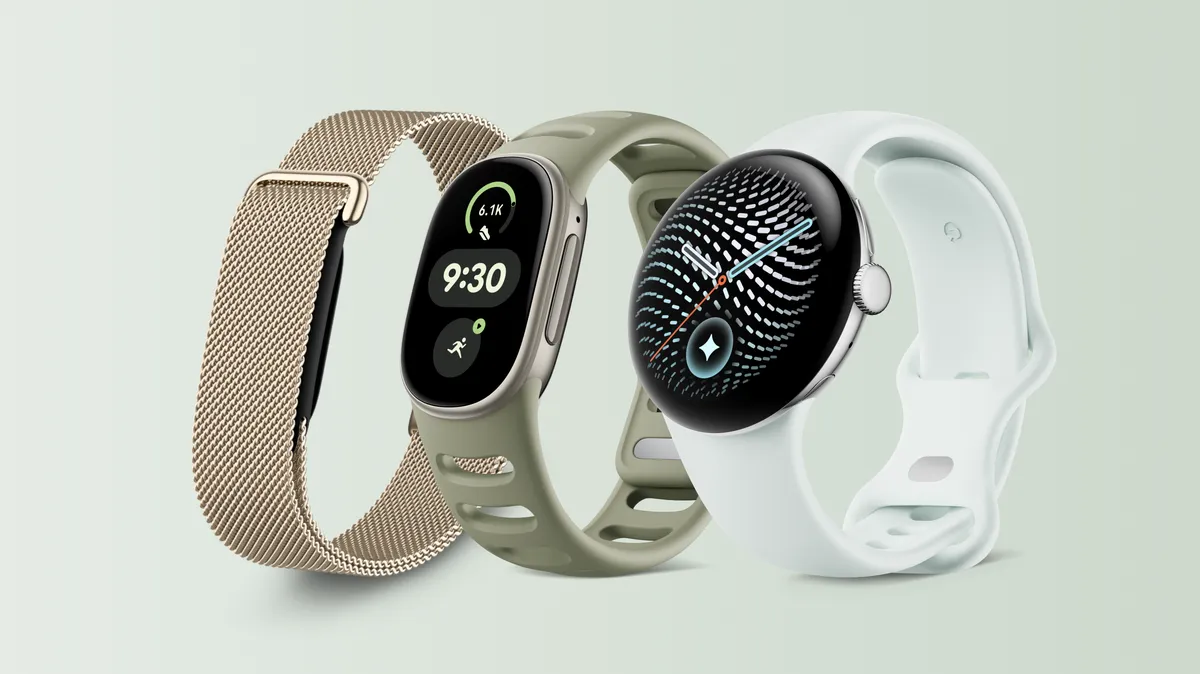
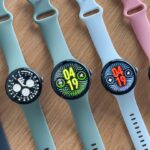
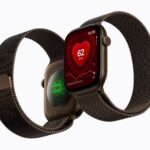
Google has given Fitbit a new middle ground. The Fitbit Edge, announced Monday, is a $179.99 fitness tracker with a screen, built-in GPS and a claimed seven days of battery life. It is aimed at people who want more information on their wrist than the screenless Fitbit Air provides, without moving up to a full Pixel Watch.
Pre-orders are open now, with retail availability set for October 27. Google is also bundling three months of Google Health Premium. That trial matters because the AI coaching and some of the deeper health insights require an ongoing subscription after it ends.
Edge has a hybrid OLED display that Google says offers 46% more viewing area than its previous trackers. Its 11.5mm case is made with recycled aluminium, and a physical side button gives users a way to pause a workout without relying entirely on touch controls. Google says the tracker is water-resistant to 50 metres, although it cautions that water resistance can diminish over time.
There are more than 50 exercise modes to start manually. The company says its automatic activity recognition can identify as many as 100 types of workout. Built-in GPS means a runner can record a route without carrying a phone; Google claims tracking accuracy is up to 40% better than on previous generations. Those are company figures, not independent test results.
For everyday use, Edge brings Maps, media controls, notifications and interchangeable bands. Google says five minutes of charging can provide a full day of use, while the quoted seven-day battery life depends on settings and usage. The device is also Fitbit’s first repairable tracker, with a modular internal design and a replaceable battery. How easily owners will be able to obtain a replacement and arrange a repair will be worth watching after launch.
The more consequential change is software. Fitbit Edge feeds activity, sleep and recovery data into Google Health Coach, which can turn trends into personalised guidance. That builds on Google’s earlier push to put an AI health coach inside Fitbit. It also makes the purchase price only part of the calculation for anyone who wants those coaching features long term.
Google lists ECG readings, heart-rate alerts and wellness trends among the available health tools, but the small print matters. Features vary by country and device, and the company says its blood-pressure and insulin-resistance trends are for general wellness rather than diagnosis. AI guidance should not be treated as medical advice.
At $179.99, Edge gives Google a conventional tracker again at a time when its wearable line increasingly revolves around software and subscriptions. The useful question for buyers is not just whether seven days of battery life holds up, but whether the free tracking tools are enough once the Premium trial expires. We will know more when the device reaches customers on October 27.
Related Reading
More contextual TechBooky stories selected from tags, categories and article context.
Paul Balo is the founder of TechBooky and a highly skilled wireless communications professional with a strong background in cloud computing, offering extensive experience in designing, implementing, and managing wireless communication systems.
We use cookies to ensure that we give you the best experience on our website. If you continue to use this site we will assume that you are happy with it.