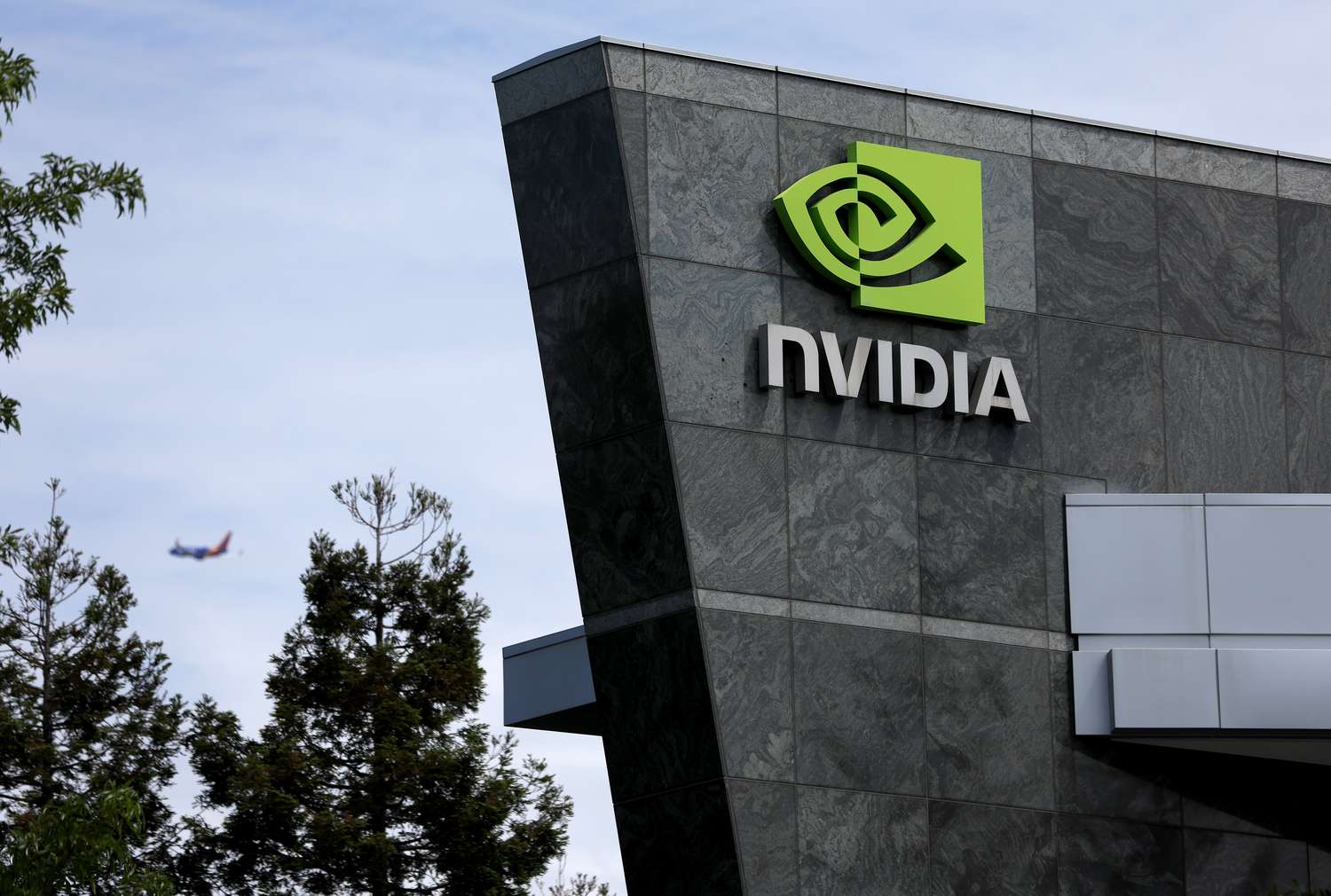
Nvidia reports earnings this week, and the result may become less about one chip company and more about whether Wall Street still believes the AI boom can keep compounding.
The company is expected to report on Wednesday, August 26. A Wall Street Journal market preview frames the week clearly as investors are counting on Nvidia to keep the AI party going after months of huge data-centre spending, infrastructure deals and rising expectations.
That pressure exists because Nvidia has become the market’s cleanest AI indicator. If cloud providers, AI labs and enterprise buyers are still ordering aggressively, Nvidia should show it. If demand is slowing, supply is constrained or margins are under pressure, the market will read that as a warning for the broader AI trade.
The stakes are bigger than revenue growth. Investors will look at data-centre sales, Blackwell and next-generation system demand, China exposure, memory supply, gross margin, customer concentration and forward guidance. They will also listen for signs that AI infrastructure spending is turning into durable profit for Nvidia’s customers.
This week also comes after several infrastructure stories that show how wide Nvidia’s influence has become. The company is reportedly discussing an investment in Perplexity, backing data-centre power-site developer Cloverleaf, and sitting at the centre of model-lab, cloud and chip demand.
The bullish case is simple. AI demand is still early, and every major tech company is racing to build data centres, train models, serve agents and compete in enterprise AI. Nvidia sells the systems that make much of that possible.
The cautious case is also simple. AI spending has become enormous, and investors are starting to ask when customers will see enough return to justify more capex. If cloud providers overbuild or if model pricing keeps falling, Nvidia’s customers may eventually face pressure to slow spending.
There is also the physical bottleneck. AI systems need power, cooling, land, memory, networking and installation. Nvidia can sell the chips, but the deployment of AI factories depends on infrastructure outside Nvidia’s direct control.
For Nvidia, the challenge is to show that demand remains stronger than every constraint. For the market, the challenge is to decide whether AI is still a growth cycle or has become a valuation story stretched too far ahead of earnings.
That is why this earnings week matters. Nvidia is not just reporting numbers. It is giving investors a check-up on the whole AI infrastructure economy.
Related Reading
More contextual TechBooky stories selected from tags, categories and article context.
Paul Balo is the founder of TechBooky and a highly skilled wireless communications professional with a strong background in cloud computing, offering extensive experience in designing, implementing, and managing wireless communication systems.
We use cookies to ensure that we give you the best experience on our website. If you continue to use this site we will assume that you are happy with it.