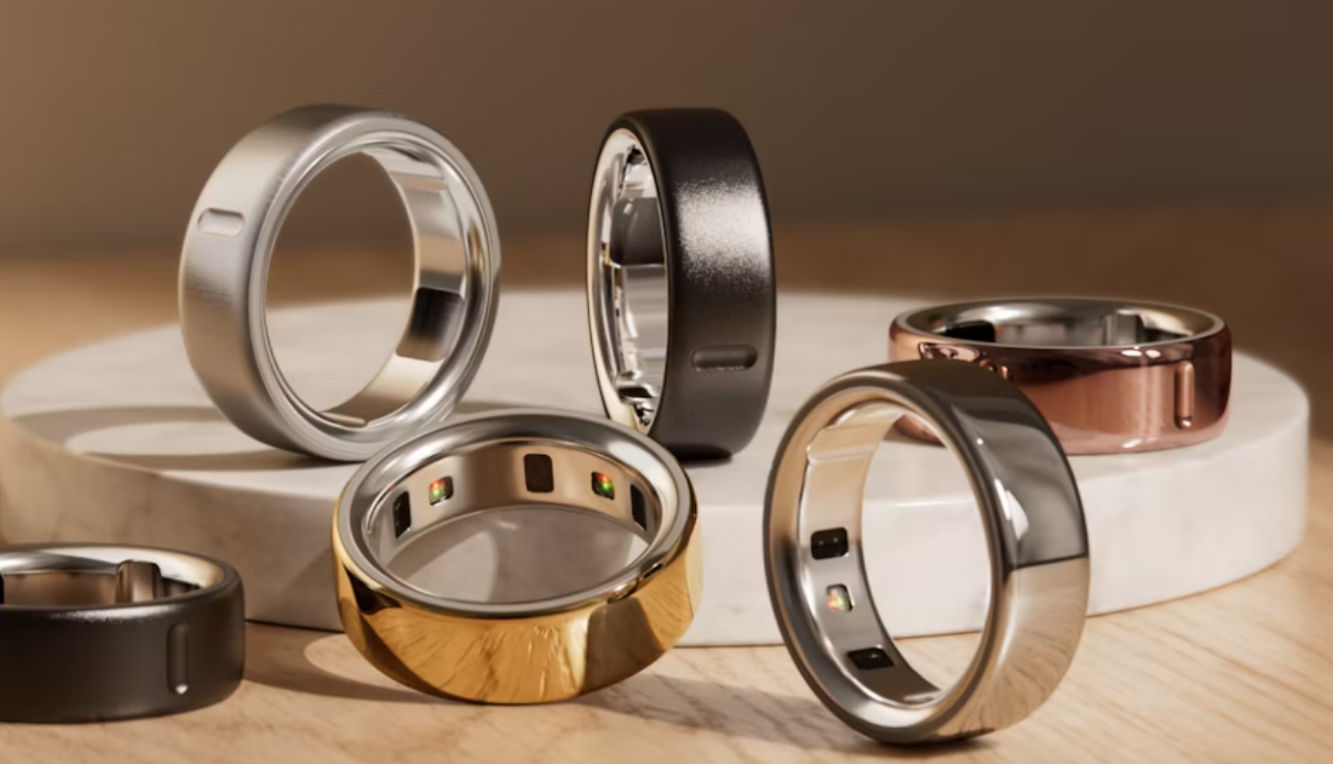
The next AI device may be small enough to disappear onto a finger. Natura is developing Interface, a smart ring with a button that lets its wearer summon an AI agent by pressing, speaking and releasing. The answer is meant to return through a familiar messaging app rather than a screen on the ring. It is a simple proposition, but one that says a great deal about where consumer AI hardware is heading.
On Natura’s product page, the ring is described as a press-to-talk device that works with the company’s tinyPeople agents and NatureOS. A wearer could ask for a reminder, a drafted reply or help arranging a booking. Natura lists WhatsApp, Telegram and iMessage as possible places for a response to arrive. That is a different experience from opening a chatbot app, though it still depends on the phone, software connections and an agent that can carry out the request correctly.
The device also tracks sleep, heart rate, heart-rate variability and activity. Natura says the first version is intended for iOS, with an optional in-ear response through its HumanPods. In details reported by TechCrunch on Thursday, the ring is positioned at $99, with an agent subscription expected after an introductory free period. Availability and the final cost of using it over time deserve as much attention as the headline hardware price.
A button has one advantage over an always-listening gadget. It gives users a deliberate moment to decide when the microphone should hear a command. Yet that alone does not settle the privacy questions. A personal agent may need access to messages, calendars, health patterns or other accounts to be genuinely helpful. Buyers should be able to see which data leaves the device, which services receive it, how long it is kept and whether an action requires confirmation before money is spent or a message is sent.
There are still practical questions, too. Natura’s page says tested battery figures will be published before orders open, rather than offering a firm endurance claim. It also remains to be seen how reliably the ring handles noise, accidental presses and requests that need several steps. Promising that an agent can book a table is easier than making it cope with a full restaurant, a changed time and a request to avoid a particular venue.
The broader contest is becoming clearer. Snap is putting more AI into its Specs glasses, while smart-ring makers such as Ultrahuman are leaning into health intelligence. Natura wants the ring to be the quickest way to reach a working assistant. If it can deliver that without turning a low-priced device into a costly or intrusive service, it could make screenless AI feel useful rather than merely novel.
Related Reading
More contextual TechBooky stories selected from tags, categories and article context.
Paul Balo is the founder of TechBooky and a highly skilled wireless communications professional with a strong background in cloud computing, offering extensive experience in designing, implementing, and managing wireless communication systems.
We use cookies to ensure that we give you the best experience on our website. If you continue to use this site we will assume that you are happy with it.